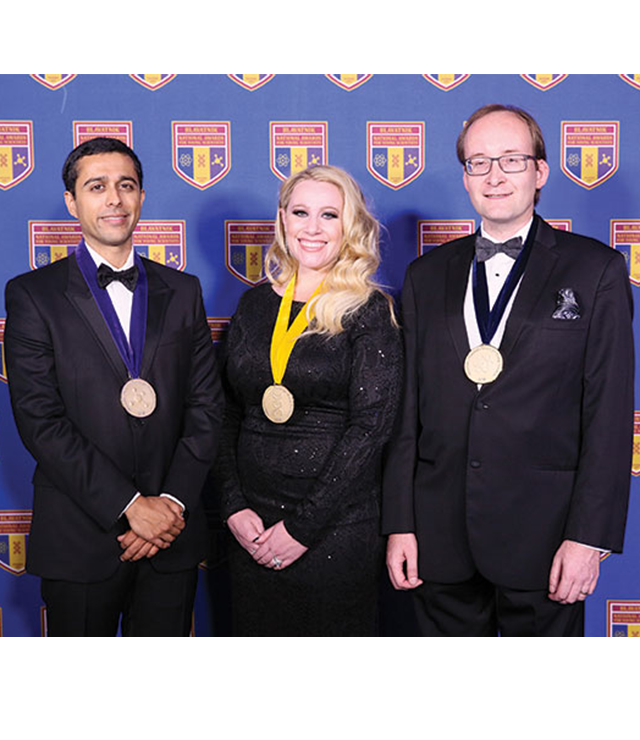
The 2019 Blavatnik Awards for Young Scientists National Laureates

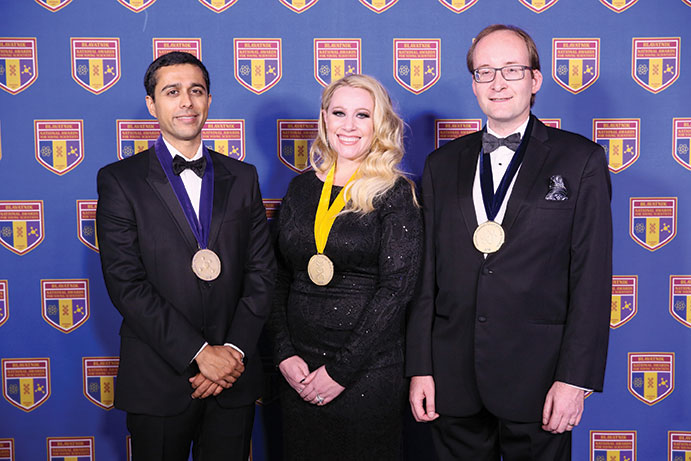
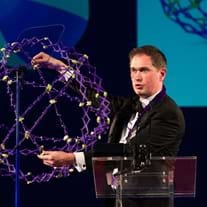
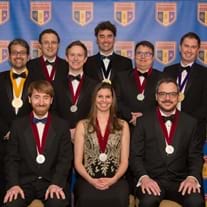
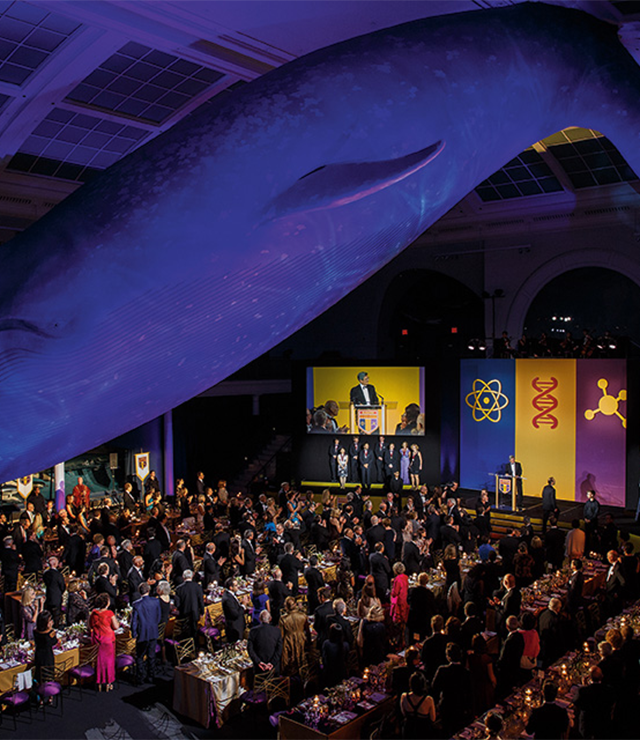
A shot from the Academy's 2019 Blavatnik Award ceremony.

Our showcase of the inspiring honorees breaking new ground in life sciences, chemistry and physical sciences.

Published May 1, 2019

By Carina Storrs, PhD

Life Sciences Laureate

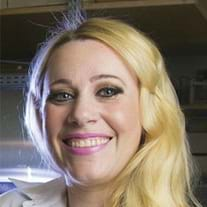
Heather J. Lynch, PhD, Stony Brook University

A pursuit of penguins leads to new territories in technology

It may be hard for penguin enthusiasts to believe, yet Heather Lynch PhD says the “most fun part of the entire year” is not the four months a year she and her team spend in Antarctica, but rather the time spent pouring over the reams of data when she returns. Lynch was originally drawn to penguins as a post-doc at the University of Maryland because of the challenge of studying them.

Lynch, now an Associate Professor at Stony Brook University, is tackling the fundamental questions of how many penguins are there and where exactly are they? Those may seem like simple questions, but they are stymied by data shortcomings, such as not having precise location data from on-the-ground surveys of the flightless, tuxedo-donning birds.

To subvert the treacherous Antarctic environment, Lynch turned to the wealth of NASA satellite imagery of the Antarctic that dates back decades. She and a colleague developed algorithms that scan the thousands of coastal images for signs of penguins revealed by their pink-hued guano (bird feces). Then, when they get tipped off to the presence of a large colony of penguins, they bring glacial-ready drones to the areas to take high-resolution pictures for exact headcounts.

The Adélie penguins

One of the biggest finds was a supercolony of about 1.5 million Adélie penguins on the Danger Islands right off the tip of the Antarctic Peninsula, which stretches toward South America. No one knew this colony existed — Lynch didn’t believe the algorithm at first, until she could confirm it with other satellite imagery.

She and her lab have also discovered much smaller colonies of chinstrap and gentoo penguins on the nearby Aitcho Islands. Without Lynch’s mathematical techniques and use of satellite technologies to detect guano, these colonies of penguins may have never been discovered.
Thanks to this multi-pronged approach, Lynch can now pride herself on the ability to locate nearly all of the penguin colonies in the Antarctic and is excited about the possibility of discovering even more colonies. Lynch’s game-changing ability to apply mathematical modeling to ecological data collected from satellites, aerial drones and field work is what earned her the title of 2019 Blavatnik National Awards Laureate in Life Sciences.

Lynch has always had one foot in the technological side. She was close to getting her PhD in physics when she “came up for air,” decided she wanted to apply her problem-solving zest toward environmental issues, and switched to a PhD program in biology.

Developing Skills in Statistics and Programming

However, she thinks the expertise that she acquired in mathematical modeling while working on her physics PhD has been the secret to her success. She advises students interested in pursuing any STEM field to develop some statistical and programming abilities.

“[They] are that all-access pass,” Lynch says. “There is not a lab on the planet that does not need people with those skills.”

Although Lynch’s discoveries have been welcome news for ecologists and penguin lovers alike, they can appear to belie the peril facing these birds due to climate change.

“All of these other populations, even other Adélie penguins, are crashing,” Lynch says.

A big part of her research focuses on developing models to understand why the Danger Island colony is flourishing, while the Adélie penguins on the western side of the Antarctic Peninsula are declining.

Implications for Conservation and the Impact of the Award

It almost goes without saying that Lynch’s research has implications for conservation.

“When we found the Danger Island populations, the first email I sent was to the people who were designing the Marine Protected Area in the region,” Lynch recalls. The Danger Islands had not been considered an important area to protect, but in what Lynch calls a “dream scenario,” policy makers expanded the area to include the islands after she told them about the Adélie supercolony.

Lynch is excited that the Blavatnik Award will bring attention to the recent technological advances in the field of ecology. The synergistic effects of Lynch’s methods will have a wide-ranging and critical impact in the fields of ecology and conservation biology in the face of impending, human-induced mass extinctions. Lynch and her lab have already expanded her methods to evaluate Antarctic seal and whale populations, and scientists can use her methods in the hope of saving other species all over the world.

Chemistry Laureate

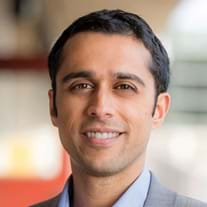
Emily Balskus, PhD, Harvard University

Cracking the mysteries of the human microbiome

The first time that Emily Balskus, PhD worked with a microbiome, the term for communities of bacteria that live in our bodies and all around us, she was knee-deep in the salt marshes off the southern coast of Cape Cod, collecting bacteria.

Things got pretty messy, but the experience helped convince Balskus — who was then conducting postdoctoral research in chemical biology at Harvard Medical School — that she wanted to bring her chemistry expertise to bear on the biggest questions about the human microbiome.

Up until those marshy waters, Balskus was doing, as she puts it, “pretty conventional” chemistry. But early on during her postdoctoral training she attended a seminar about the Human Microbiome Project, which would set out to catalogue the microbes living on and within us. It opened her eyes to the shocking fact that scientists knew almost nothing about what these bacteria were actually doing, and how they affected our health.
“I couldn’t believe that we could be living so closely with so many microbes, that we had shared evolutionary history with them, and there was so much we didn’t know about them,” Balskus recalls.

Understanding the Microbiome in our Gut

Much of what we now know about the goings-on of the microbiome in our gut — for example, how certain bacterial residents can increase the risk of heart disease or thwart the activity of the medications we take — is thanks to the research group that Balskus has been leading at Harvard University since 2011.

For her work getting to the bottom of microbial mysteries, Balskus was named the 2019 Blavatnik National Awards Laureate in Chemistry, which Balskus says is “wonderful” and “very humbling.”

One of the most exciting discoveries of the Balskus lab is connecting how bacteria in the gut microbiome may increase the risk of colorectal cancer. It had been known for more than a decade that certain strains of Escherichia coli (E. coli) make a toxic molecule, called colibactin, and that these bacterial strains are more likely to be found in the gut of people with colorectal cancer.

Understanding the Chemical Components

Balskus and her team focused on determining the chemical makeup of the mysterious colibactin molecule, which had been challenging for other chemists to isolate and characterize. The difficulty of studying this molecule using more conventional approaches made her consider whether her unique perspective might provide another path.

Balskus’ team explored how colibactin was produced in the gut without knowing its complete structure. They eventually discovered that the colibactin molecule contains a structure called a cyclopropane ring, which is known to cause DNA damage that can lead to cancer-causing mutations. Importantly, her team showed that exposing human cells in the lab to the toxic E. coli strain led to a specific type of cyclopropane-dependent DNA damage, whereas cells exposed to harmless strains of E. coli showed no signs of similar DNA damage.

In future studies, she hopes to determine whether this type of DNA damage can be seen in cells obtained from biopsies of colorectal cancer patients, to confirm whether this toxic E. coli is indeed responsible for increasing cancer risk.

Balskus credits her postdoctoral advisor, Christopher Walsh, MD, PhD for suggesting she take the fateful trip to the salt marshes, which was part of a summer microbiology course held at the Marine Biological Laboratory in Woods Hole, Mass. This course equipped her with the tools of microbiology and expertise that she continues to use to probe the human microbiome.

Combining Chemistry and Microbiome Research

Today, Balskus is a Professor of Chemistry and Chemical Biology at Harvard University, and a leader in bringing the worlds of chemistry and microbiome research together. This spring she helped organize the first scientific conference on the chemistry of the human and other microbiomes.

“Both [fields] are very excited about this intersection,” Balskus says. She is also venturing into other scientific fields, such as genetics, and exploring how chemistry’s tools can advance other areas of biological research.

Balskus hopes to use the Blavatnik Award funds to promote women and other underrepresented groups in science. She recognizes how much her female science teachers at the all-women’s high school and the small liberal arts college she attended encouraged her and were role models for her. Many young women are not so fortunate.

“It is not one thing that makes it hard, it is a bunch of things that make it difficult for women to feel like they belong in science,” Balskus says.

Physical Sciences & Engineering Laureate

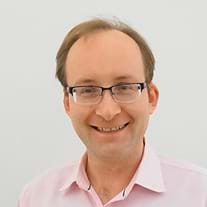
Ana Maria Rey, PhD, University of Colorado Boulder

Building the world’s most precise atomic clock

Ana Maria Rey, PhD fell for physics in high school, the moment she realized she could use mathematical equations to predict how a ball will move. It was an easy love affair, as Rey flew through physics problems for fun.

But at the university she attended in her native Colombia, a professor challenged the students with such long physics exams that students had no time to perform detailed calculations. This professor, who Rey considers her first role model, taught them to rely on intuition instead, which could only be acquired through intensive study of the subject.

It is a lesson that Rey has carried with her throughout her career. Over the course of her PhD studies at the University of Maryland, through two periods of postdoctoral training, and now as a Professor of Physics at the University of Colorado Boulder, Rey has delved deep into the world of quantum mechanics.

Diving into Quantum Mechanics

Quantum mechanics describes the behavior of the smallest particles of matter: the atoms and sub-atomic particles that make up balls and every other material on Earth. Just like her early days with physics, Rey is explaining the behavior of the quantum world using mathematical models. But now she is the one developing the models, in groundbreaking work that earned her the honor of being named the Blavatnik National Awards Laureate in Physical Sciences & Engineering this year.
“Understanding [atomic and sub-atomic] behavior is really, really important because it can lead to technological development,” Rey says.

Although her research is theoretical, its applications are tangible and far-ranging, from creating GPS (global positioning system) that can provide more accurate location data and quantum computers that would be thousands of times faster than today’s machines, to ultimately enabling the direct measurement of gravitational waves, which are ripples in the so-called fabric of the universe.

Building a More Precise Atomic Clock

At the heart of all these possibilities, and the crux of Rey’s models, is the ability to build a more precise atomic clock, which can measure much smaller units of time than modern clocks — as short as one billionth of a billionth of a second. As Rey explains, the pendulum of an atomic clock is laser light, and the thing that measures each swing of the pendulum is atoms.

The problem that scientists have to understand, and ideally control, is how the atomic timekeepers move when they are zipping around and colliding with each other. Because of Rey’s equations, they are getting closer to that goal. She credits the physicists she collaborates closely with at JILA, where she is a Fellow, for conducting the breakthrough experiments with ultra-cold atoms trapped by lasers, making them slower and easier to track, for informing her calculations.

Rey says the funding and recognition that come with the Blavatnik Award will allow her to push farther into what she calls “the most exciting part of the work.” Although her team has already given the world its most precise atomic clock, that is nothing compared to what they could achieve if they could entangle, or link together, atoms in such a way that they behave as one unit.

Entanglement, which has been shown by allowing atoms to interact and then separating them, would eliminate the noise that throws off atomic clocks.

“This is the holy grail,” Rey says, adding that, “we should be able to see what the universe is made of,” such as mysterious dark matter.

Driven By Passion

Rey believes the key to her success in theoretical physics is loving what she does and working hard at it.

“Things are not going to come to you. You might be very smart, but I don’t think it’s enough,” Rey says.

Her other great role model, renowned JILA fellow, Deborah Jin, PhD, who passed away in 2016, showed Rey that it is possible to have a successful scientific career and a happy family life, and generally to be there for people. Rey, who was also selected as a MacArthur Fellow in 2013 and the MOSI Early Career National Hispanic Scientist of the Year in 2014, says “I hope in some way, I can share the same type of help with young women scientists.”
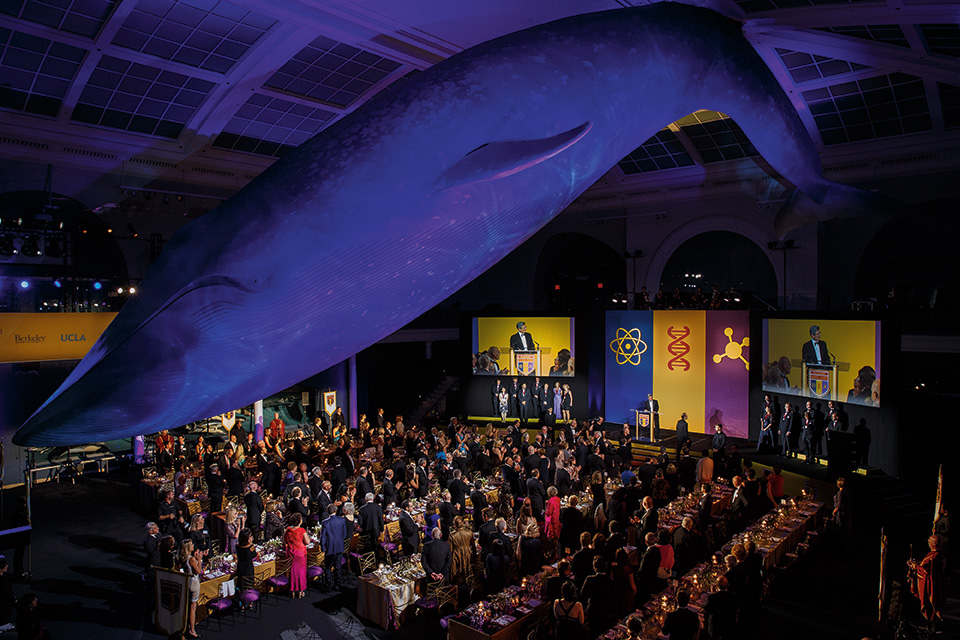
The 2019 Blavatnik National Awards for Young Scientists Ceremony

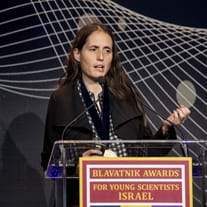
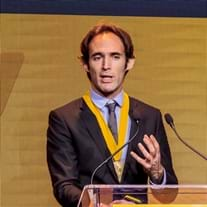
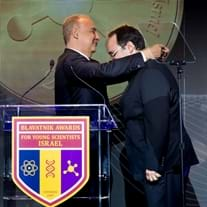
2019 Blavatnik Award winners in Israel and the UK

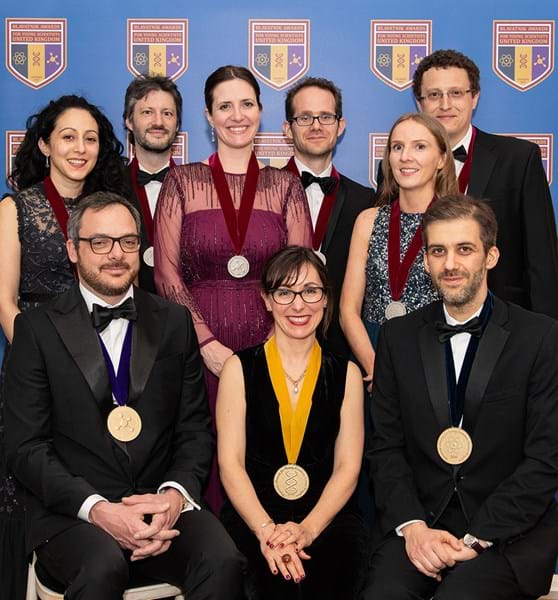
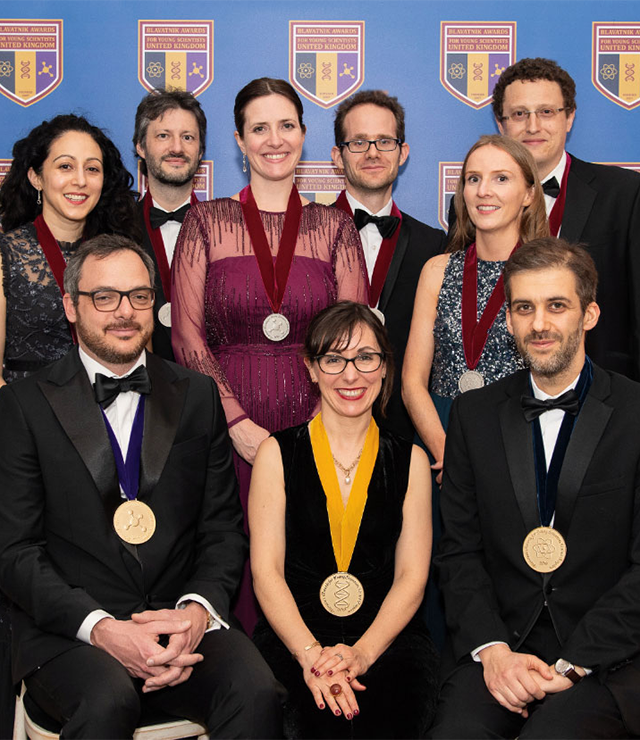
A group of Blavatnik Award winners pose together for a photo.

Meet the rising stars who are receiving recognition for their ground-breaking research.

Published May 1, 2019

By Robert Birchard

2019 Blavatnik Award Laureates, Israel

Life Sciences Laureate

Michal Rivlin, PhD, Senior Scientist and Sara Lee Schupf Family Chair, Weizmann Institute of Science

Dr. Michal Rivlin is a neuroscientist who has made the paradigm-shifting discovery that cells in the adult retina can exhibit plasticity in their selectivity and computations. One of the first demonstrations of neuronal plasticity outside the brain, this raises fundamental questions about how we see, and has implications for our understanding of the mechanisms underlying computations in neuronal circuits, the treatment of retinal diseases, blindness and development of computer vision technologies.

Chemistry Laureate

Moran Bercovici, PhD, Associate Professor, Faculty of Mechanical Engineering, Technion – Israel Institute of Technology

Dr. Moran Bercovici is an analytical chemist who studies microscale processes coupling fluid mechanics, electric fields, heat transfer and chemical reactions. His studies have potential implications in multiple fields, ranging from the detection of low concentrations of biomolecules for rapid and early disease diagnostics, to the creation of new microscale 3D printing technologies.

Physical Sciences & Engineering Laureate

Erez Berg, PhD, Associate Professor, Weizmann Institute of Science

Dr. Erez Berg is a theoretical condensed matter physicist who develops novel theoretical and computational tools to study long-standing and emerging questions in quantum materials. His research has provided important insights into the physics principles behind a wide variety of exotic phenomena in quantum materials, which will help to speed up the implementation of these materials in next generation electronics including quantum computing, magnetic resonance imaging and superconducting power lines.

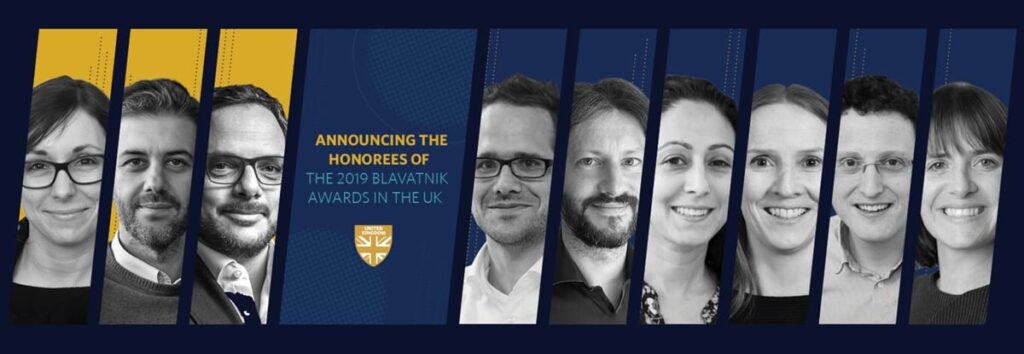
2019 Blavatnik Award Honorees, United Kingdom

Physical Sciences & Engineering Laureate

Konstantinos Nikolopoulos, PhD, Professor of Physics, University of Birmingham

Experimental particle physicist, Prof. Konstantinos Nikolopoulos led a 100-physicist subgroup in ATLAS, a large scientific collaboration at CERN, which made key contributions to the discovery of the Higgs boson. This discovery, jointly announced by the ATLAS and CMS collaborations at CERN, is regarded as one of the biggest breakthroughs in fundamental physics this century. This discovery completed the experimental verification of the Standard Model of particle physics, the mathematical theory through which we understand nature at the fundamental level, and resulted in the Nobel Prize in Physics being awarded to the physicists who predicted the Higgs boson decades ago. Prof. Nikolopoulos’ work has significantly improved our understanding of the Higgs boson and explored potential new physics beyond the Standard Model.

Physical Sciences & Engineering Finalists

Gustav Holzegel, PhD, Professor of Pure Mathematics, Imperial College London

Prof. Gustav Holzegel is a mathematician, who develops rigorous mathematical proofs of physics questions related to Einstein’s general theory of relativity. He provided the first proof of a decades-old conjecture about the stability of black holes in the case of the simplest form of black holes in the universe, and has made significant progress towards completely proving this conjecture in the cases of more complicated types of black holes. The techniques he developed have also influenced the studies on other open fundamental questions in theoretical physics and astrophysics.

Máire O’Neill, PhD, Professor of Information Security; Principal Investigator, Centre for Secure Information Technologies; Director, UK Research Institute in Secure Hardware and Embedded Systems, Queen’s University Belfast

Prof. Máire O’Neill is an electrical engineer working in the area of cybersecurity. She has proposed novel attack-resilient computer hardware platforms and chip designs that have found immediate applications. Her solutions are orders of magnitude faster than prior security implementations while also being cost effective. Her achievements have already generated an enormous impact on society, which will continue to increase as cyberattacks costing the global economy hundreds of billions of dollars annually, continue to grow at an unprecedented scale.

Chemistry Laureate

Philipp Kukura, PhD, Professor of Chemistry, University of Oxford

Prof. Kukura is a physical chemist who is developing cutting-edge optical methodologies for the visualisation and analysis of molecules such as proteins that exist within the body. To accomplish this task, he takes advantage of the scattering of visible light, which is the universal process through which we see the world around us. On the macro-scale, this scattered light provides information on the size and shape of an object. What Prof. Kukura has shown is that when driven to the extreme by detecting this light scattering from tiny objects in a microscope, this approach not only works with single biomolecules, but can also be used to measure their molecular mass, introducing a new way of weighing objects. The macroscopic equivalent would be to know the mass of a loaf of bread to within a few grams just by looking at it. Prof. Kukura hopes that this approach will be used widely to discover how biomolecules assemble, interact and thus function, as well as understand what goes wrong in disease, and how it can be addressed at a molecular level.

Chemistry Finalists

Igor Larrosa, PhD, Professor of Organic Chemistry,
The University of Manchester

Organic chemist, Prof. Igor Larrosa is a world-leader in a sub-field of organic chemistry called carbon-hydrogen bond activation, which is focused on finding ways to make these normally stable bonds reactive. Specifically, he has established new mechanistic insights into how C–H bonds can react with transition metals, and developed novel catalysts for the facile construction of molecules that previously were only accessible through multistep organic transformations.

Rachel O’Reilly, PhD, Chair of Chemistry & Head,
School of Chemistry, University of Birmingham

Prof. Rachel O’Reilly is a polymer chemist that has pioneered the use of innovative chemical approaches in the fields of DNA nanotechnology, sequence-controlled synthesis of polymers and precision synthesis to foster the development of novel materials. The novel molecules and structures produced from these methodologies have potential applications in healthcare, energy-related fields and sustainable chemistry.

Life Sciences Laureate

Ewa Paluch, PhD, Chair of Anatomy, University of Cambridge; Professor of Cell Biophysics, MRC Laboratory for Molecular Cell Biology, University College London

Prof. Ewa Paluch’s novel discoveries are at the forefront of cell biology: she has elucidated key biophysical mechanisms of cell division and migration, and has established physiological roles of cellular protrusions known as “blebs.” Previously thought to exist only in sick or dying cells, she established that these protrusions on the cell surface are common in healthy cells, and that blebs have important functions in cell movement and division. Her work will influence treatment for diseases such as cancer, where cell shape and migration are key to disease pathology, and she is leading the field towards a complete understanding of how the laws of physics affect the behavior of cells.
Life Science Finalists

Tim Behrens, DPhil, Deputy Director, Wellcome Centre for Integrative Neuroscience, University of Oxford; Professor of Computational Neuroscience, University of Oxford; Honorary Lecturer, Wellcome Centre for Imaging Neuroscience, University College London

Prof. Timothy Behrens is a neuroscientist whose work has uncovered mechanisms used by the human brain to represent our world, make decisions and control our behavior. An understanding of how our neurons function in networks to control behavior is fundamental to our understanding of the brain, and has implications for neural network computing, artificial intelligence and the treatment of mental and cognitive disorders.

Kathy Niakan, PhD, Group Leader, The Francis Crick Institute

Dr. Kathy Niakan is a developmental biologist conducting pioneering research in human embryonic development, elucidating early cell-fate decisions in embryonic cells. To further these studies, she became the first person in the world to obtain regulatory approval to use genome-editing technologies for research in human embryos. Her research may provide new treatments for infertility and developmental disorders, and her work in scientific policy and advocacy is defining the ethical use of human embryos and stem cells in scientific research.

2019 Blavatnik Award Honorees, United Kingdom

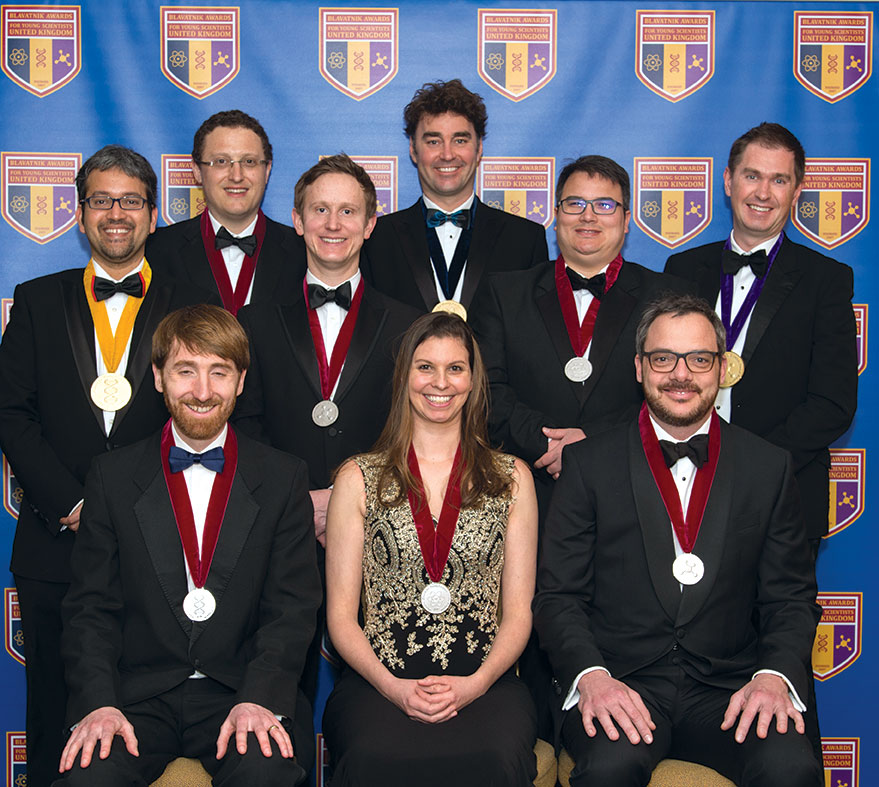
2019 Blavatnik UK Awardees Are Bettering the World

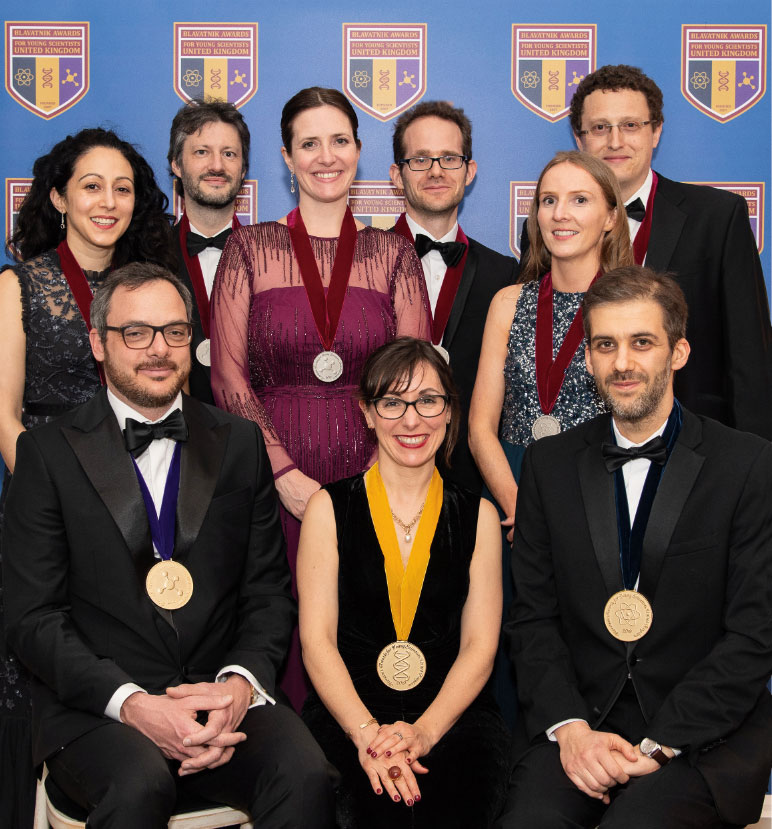
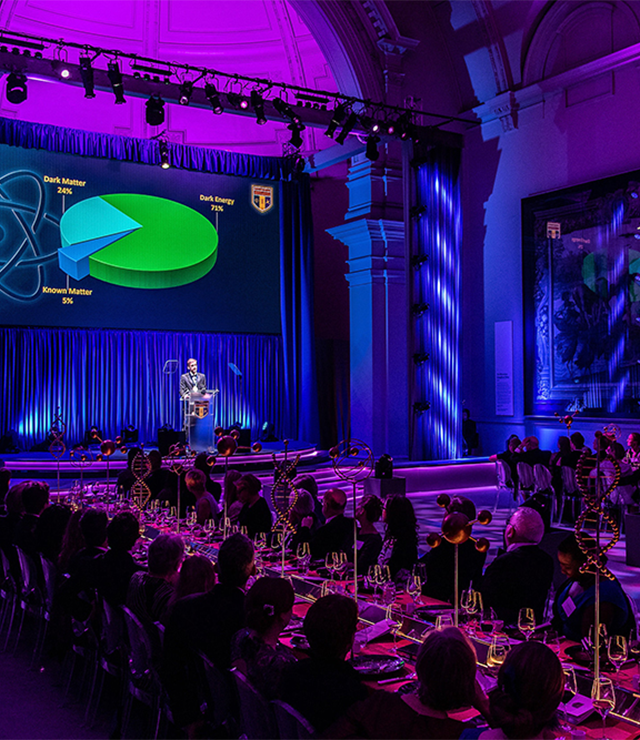
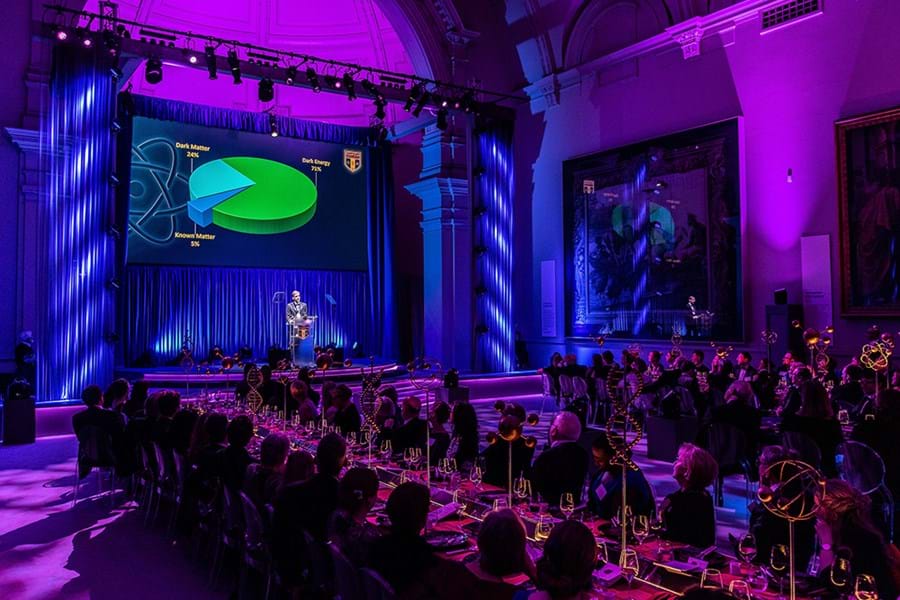
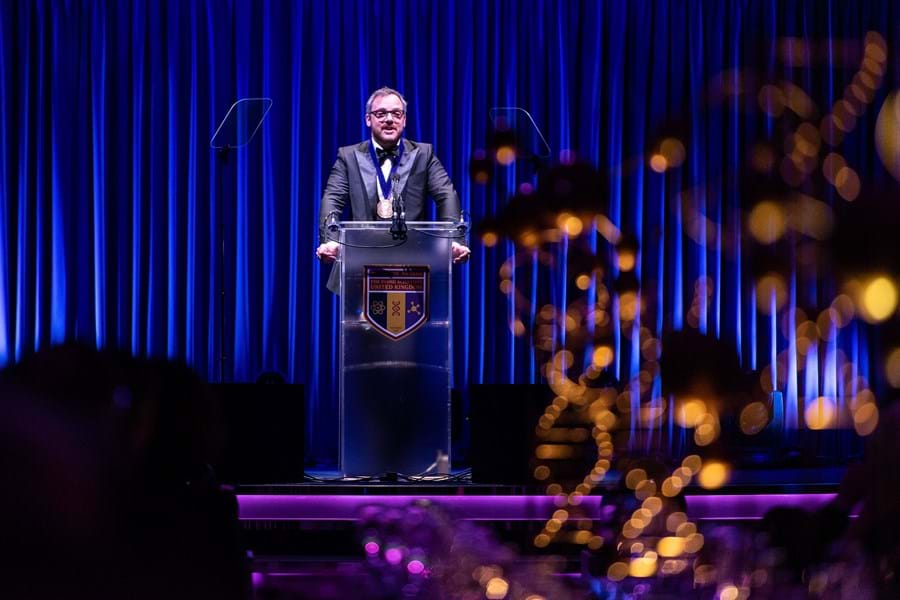
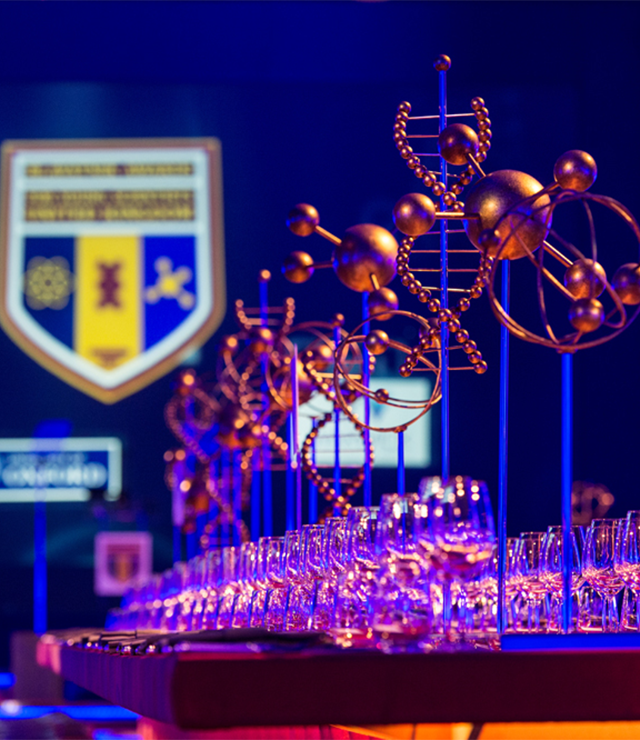
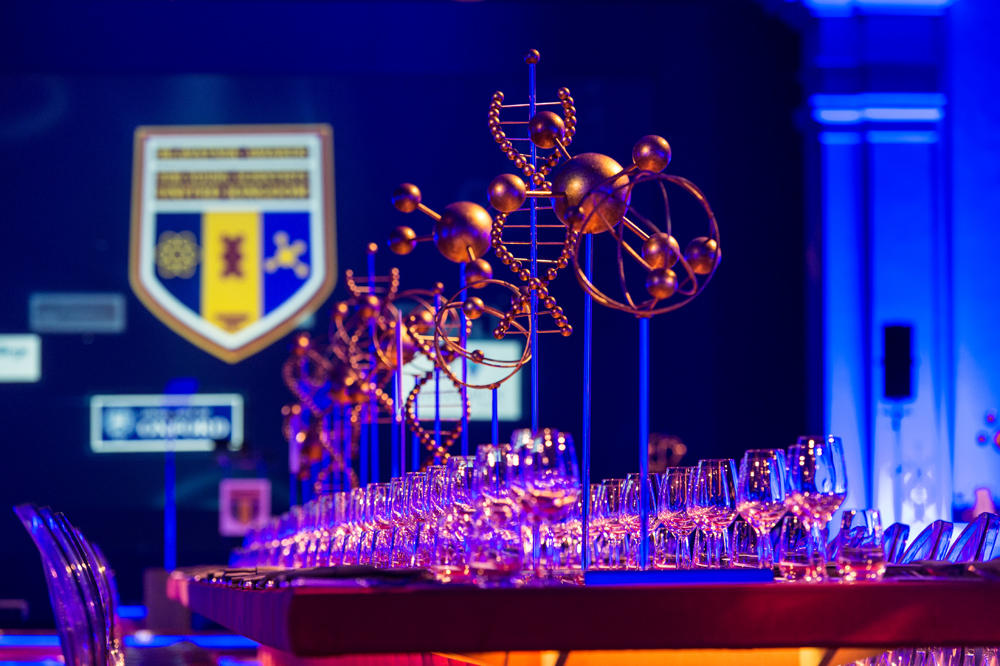
A shot from the awards ceremony for the Blavatnik Award.

Learn more about the ceremony that celebrated this year’s Blavatnik Awards for Young Scientists in the United Kingdom.

Published May 1, 2019

By Kamala Murthy

The Blavatnik Family Foundation hosted its annual ceremony celebrating the honorees of the 2019 Blavatnik Awards for Young Scientists in the United Kingdom at the Victoria and Albert Museum (V&A) in London.

The Ceremony was attended by members of the UK’s scientific elite as well as key figures within the fields of government, academia, business and entertainment. Neuroscientist and 2014 Nobel Laureate Professor John O’Keefe of University College London, served as the Master of Ceremonies for the evening.

“The Blavatnik Awards are given not just for exceptional work already done, but in support of world-changing work that we believe is yet to be done by these young scientists,” says O’Keefe.

Academy President and CEO Ellis Rubinstein also gave remarks thanking the support of the scientific community within the United Kingdom and complimenting the outstanding group of scientists that make up the Blavatnik Awards’ UK Jury and Scientific Advisory Council.

Among the Most Dedicated and Original Thinkers in their Spheres

In commenting on the caliber of the nine honorees, Prof. O’Keefe mentioned “the young scientists and engineers are among the most dedicated and original thinkers in their spheres in the United Kingdom…They are making headlines across medical and tech communities for discoveries and innovations in human development and cognition; from novel ways to synthesize drugs and sustainable polymers, to advances in cybersecurity and radical breakthroughs in fundamental physics.”
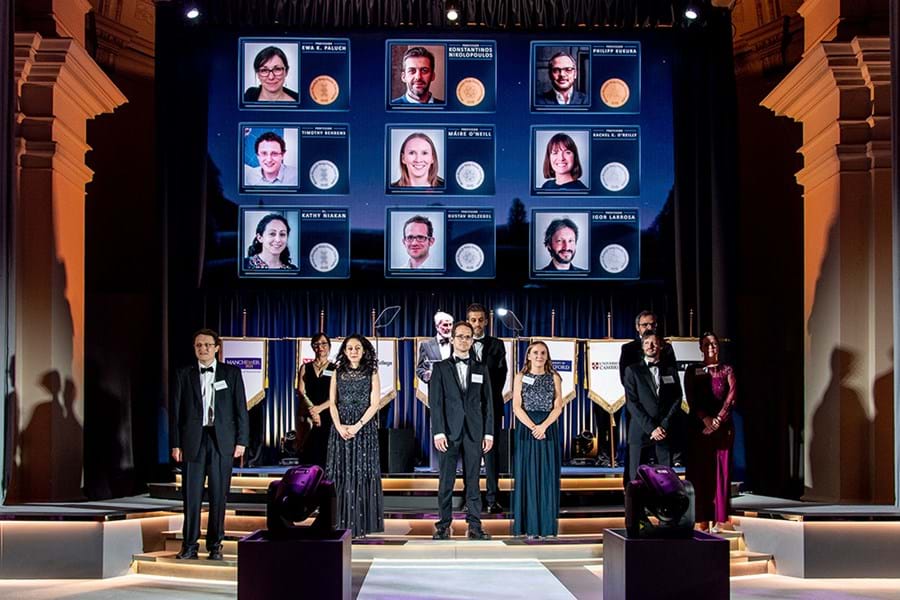
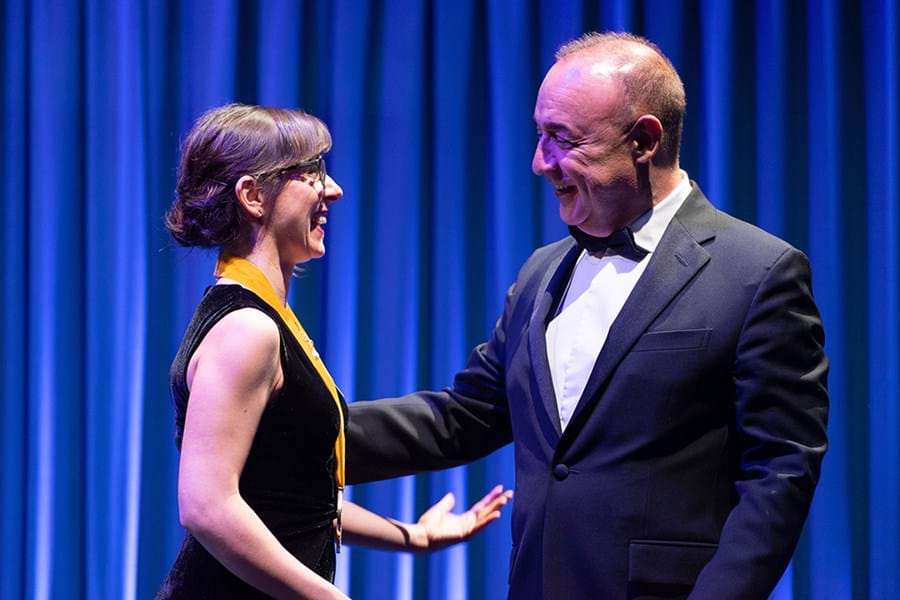
In each scientific category (Chemistry, Physical Sciences & Engineering, Life Sciences), two Finalists were each awarded prizes of US$30,000, and one Laureate in each category was awarded US$100,000. The Awards’ founder, Sir Leonard Blavatnik, presented medals to the three Laureates and six Finalists at the ceremony.

Throughout the course of the evening, the audience watched three films featuring the honorees from the three Award categories. The ceremony concluded with a fireside chat and the Blavatnik Awards tradition of making a “Toast to Science.”
Learn more about the 2019 Blavatnik Awards ceremony in the UK here.

UK Blavatnik Awardees Are Bettering the World

From cybersecurity and genome-editing to unraveling the mysteries of the atom and deciphering the complexities of the human brain, these nine young scientists are making a positive impact on our world.

Published May 1, 2019

By Kamala Murthy

The Laureates and Finalists of the 2019 Blavatnik Awards for Young Scientists in the United Kingdom are shaping the future of science. 

A distinguished jury of leading UK senior scientists and engineers selected the nine 2019 Blavatnik Awards honorees from 83 nominations submitted by 43 academic and research institutions across England, Northern Ireland, Scotland, and Wales, as well as the Awards’ own Scientific Advisory Council.

These young scientists and engineers are already making headlines across the UK’s scientific community for discoveries and innovations in research ranging from the mechanics of human cells to new ways to weigh biomolecules, advances in cyber security and radical breakthroughs in fundamental physics. Their discoveries are transforming our understanding of the world and improving human lives.

One Laureate from each of the three categories of Life Sciences, Physical Sciences & Engineering, and Chemistry will receive an unrestricted prize of $100,000 — one of the largest unrestricted prizes available to early-career scientists in the UK.

2019 Life Sciences Laureate

Prof. Ewa Paluch, University College London (UCL) and University of Cambridge

2019 Chemistry Laureate

Prof. Philipp Kukura, University of Oxford

2019 Physical Sciences & Engineering Laureate

Prof. Konstantinos Nikolopoulos, University of Birmingham

2019 Blavatnik Awards in the UK Finalists

Two Finalists in each of the following categories will receive unrestricted prizes of $30,000 each.

Life Sciences

Prof. Timothy Behrens, University of Oxford; honorary Principal Investigator, University College London (UCL)

Dr. Kathy Niakan, The Francis Crick Institute

Chemistry

Prof. Igor Larrosa, The University of Manchester

Prof. Rachel O’Reilly, University of Birmingham

Physical Sciences & Engineering

Prof. Gustav Holzegel, Imperial College London

Prof. Máire O’Neill, Queen’s University Belfast

“Last year, our first year of administering the Blavatnik Awards for Young Scientists in the United Kingdom, we were touched by the reaction of leaders of the UK’s scientific community who agreed that there is no other prize in the UK that honors the achievements and, most especially, future promise of young scientists,” said Ellis Rubinstein, President and CEO of The New York Academy of Sciences and Chair of the Awards’ Scientific Advisory Council. “On behalf of our global Academy we have been thrilled to see so many institutions recognized through their fantastic honorees. And we are enormously proud to collaborate with the UK’s esteemed jury and Scientific Advisory Council members.”

The 2019 Blavatnik Awards Laureates and Finalists in the UK will be honored at a gala dinner and ceremony at the prestigious Victoria and Albert Museum in London on March 6, 2019. The following day, the honorees will present their research in a symposium open to the public entitled “Cure, Create, Innnovate: 9 Young Scientists Transforming Our World,” to be held at the Science Museum, London—a free event to all Academy Members.

To learn more about the Blavatnik Awards and its cohort of Awards programs in the US, UK and Israel please visit the Blavatnik website here.

Overcoming Doubts with Help from Role Models

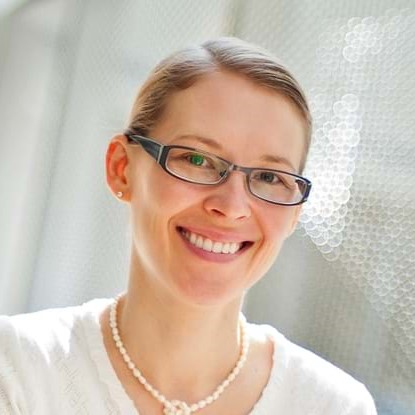
A woman smiles for the camera.

It was a life-changing physics teacher and her own ability to overcome doubt that played a significant role in the nanotechnology adventure of Alexandra Boltasseva.

Published February 1, 2019

By Alexandra Boltasseva, PhD

Alexandra Boltasseva, PhD

I was born in Kanash, a small town on the Southern route of the famous Trans-Siberian Railway in modern day Russia. Being from a small town in the middle of nowhere, one of the first questions I’m often asked is how I got into science. I have often repeated the same answer: “I have always been fascinated by technology and devices.” But the truth is that I have always been fascinated by a much simpler thing – the world around me.

All my life I was blessed to have the most devoted and inspirational people around me. As every child, I loved to come to my parents’ work. Both engineers, my parents worked for railway-related organizations. My mom has a degree in applied mathematics and was on the team who installed the very first computer at the local train repair plant. My dad was the head of a small radio communications laboratory that controlled train communication lines between two of the nearest cities – Nizhnyi Novgorod and Kazan. At his lab, I loved playing with colorful resistors and wondered what they actually did while flipping through Rudolf Svoren’ book Electronics: Step by Step.

A Life-changing Teacher

In middle school, my life changed because of my physics teacher Valery V. Gorbenko. His true love for physics and devotion to his students opened up a world beyond my small-town school. I joined his after-school physics classes, and soon after participated and won the physics Olympics in our republic. Being a girl meant you were outnumbered at physics competitions, but I never asked myself whether I should do it, I just joined in. I wanted to make my teacher proud.

It was never a question whether anyone in my family should get a college degree. Everyone knew that doors open when you get a degree. While I was interested in particle physics in high school, soon after I started at the Moscow Institute of Physics and Technology, I became interested in applied physics. I wanted to do something that would make a difference now instead of decades into the future. I had amazing advisors during my bachelor and masters projects at the Lebedev Physical Institute of the Russian Academy of Sciences who introduced me to an emerging area of quantum-well lasers, and who taught me how to manage my time.

My nanotechnology adventures started at the Technical University of Denmark where I did my PhD studies working in one of the very first Scandinavian Cleanrooms learning about nanofabrication. Focusing on how to bring light down to nanoscale, I was very fortunate to have great role models such as Ursula Keller and my university advisor, Sergey Bozhevolnyi (with whom I still collaborate very actively today).

Motivated by Doubt

I don’t think I ever felt “out of place” in the male-dominated college or research communities. For me, it was not about being female, it was about being insecure (though I admit these two things are connected). During the earlier stages of my career, I had difficulty convincing myself that I was suited for academic work. Sometimes I wanted to quit science and open a flower shop.

Once during my postdoctoral work, I felt particularly blue and seriously doubted whether I should stay in academia. In that moment, I spoke with my former PhD advisor who is a very well-known, established professor. I told him I wasn’t good enough at what I do and that I was filled with doubts. His reply surprised me: “Same here – I still have doubts about whether I am doing what I am good at.” He added that only ignorant people would ever think that they are great at something. In that moment, I realized having doubts and accepting that you don’t know everything is what motivates people to learn and explore. I am still learning to believe in myself, but the biggest reward is to share what I do know and feel passionate about.


About the Author

2018 Blavatnik National Awards Finalist, Alexandra Boltasseva, PhD, is a professor of Electrical and Computer Engineering at Purdue University working in the areas of optics and nanotechnology. She is also a mom of three and lives with her family in West Lafayette, Indiana.

Immunology, Atomic Structures, and the Origin of Life

Three award winning scientists pose for the camera.

Meet the inspiring young 2018 Blavatnik Award laureates being recognized for their work in the areas of Life Sciences, Chemistry and Physical Sciences & Engineering.

Published October 1, 2018

By Anni Griswold

Life Sciences Laureate: Janelle Ayres, PhD, The Salk Institution for Biological Studies

An Unexpected Truce in the War on Pathogens

Much of immunology’s past has focused on defense: Generations of grad students have untangled host strategies for detecting and eliminating biologic threats.

Legions of labs have designed antibiotics to stock the host’s arsenal. But the field may have an altogether different future, says Janelle Ayres, PhD, the Helen McLoraine Developmental Chair of the NOMIS Center for Immunobiology and Microbial Pathogenesis at the Salk Institute.

“The traditional assumption was that you just had to be able to kill the pathogen — that’s all it took to survive an infection,” Ayres says. “That didn’t make sense to me because of the physiological damage that can happen. During an infection, the host immune response is doing far more damage than the microbe.”

More than a decade ago, while other graduate students traced signaling pathways of the innate immune system, Ayres — then a doctoral student in David Schneider’s laboratory at Stanford — pursued an idea gleaned from plant biology literature: What if humans, like plants, express genes that boost fitness and allow them to coexist with pathogens until they can safely ride out an infection?

Cooperation and Survival Over Death and Destruction

In the years since, Ayres has uncovered an accomplice to the traditional immune system. The “cooperative defense” system, as she calls it, is less focused on death and destruction and more on cooperation and survival.

“Often, a patient’s immune system is fully capable of killing an infection, but the patient dies from the pathology before they’re able to kill the infection,” Ayres says.

Or, in other cases, the pathogen produces toxic compounds or disrupts physiological functions. By engaging the patient’s cooperative defense system, the patient can remain healthy enough for the immune system to come in and clear the infection. Her discovery has inspired a new branch of immunology and earned Ayres the 2018 Blavatnik National Award for Young Scientists.

In a groundbreaking paper published on September 20th 2018 in Cell, Ayres described the system in action. Mice infected with the diarrheal pathogen Citrobacter, a close relative of the pathogenic Escherichia coli strains, remain symptom-free by consuming iron-supplemented chow for two weeks.

“We can promote co-operative defenses by giving a short course of dietary iron, which induces an acute state of insulin resistance,” she says. “This reduces the amount of glucose absorbed from the gut and suppresses expression of the pathogen’s virulence program.”

The mice resumed their normal diet after treatment and are still alive a year later.

“They’re perfectly healthy,” Ayres says.

Therapies that Engage Cooperative Defenses

The microbe remains in the mouse gut, but no longer causes symptoms — even when that microbe is isolated and injected into naïve mice.

“We’re not only able to treat the infection, but we also turn the microbe into a commensal and we drive the selection for strains that lose their virulence genes,” she says.

Therapies that engage cooperative defenses could help humans gain an advantage in the war on drug-resistant microbes.

“We are essentially in a pre-antibiotic era, meaning we’re running out of antibiotics that used to be our last resort. Many are no longer effective,” says Ayres. “We’re basically in as bad shape now as we were before we even developed antibiotics.”

While the oft-touted solution is to develop newer, stronger antibiotics, Ayres champions a more farsighted approach.

“We need to develop novel classes of antibiotics, but we also need to acknowledge that by focusing on methods that kill microbes, we’re driving the global crisis of antimicrobial resistance. We can’t solely think about treating infections from this antagonistic perspective,” she says.

Therapies that engage the body’s cooperative defenses will drive human survival rather than microbial demise. As such, those therapies will likely be “evolution-proof,” meaning they won’t further the problem of drug resistance. Ayres’ findings suggest the war against pathogens can’t be won with defense alone. “And so,” she says, “we’re taking a completely different perspective.”

Chemistry Laureate: Neal K. Devaraj, PhD, The University of California, San Diego

When Molecules Become Life

The smallest unit of life — the cell — has fascinated and bewildered scientists for ages.

The prospect of producing a synthetic cell from scratch is particularly tantalizing, given the practical applications for diagnosing and treating disease. But to achieve that feat, scientists must address the simplest, most profound questions.

“It’s almost philosophical: What is life? What is the chemistry from which life can emerge? Quite literally, when does chemistry become biology?” says Neal K. Devaraj, PhD, a professor of chemistry and biochemistry at the University of California, San Diego, and a winner of the 2018 Blavatnik National Award for Young Scientists.

“I’m constantly reminded that life can come about from nothing. But if you really dive into it, it’s a black box. We really have no idea how this occurred,” he says. “What’s truly exciting, from a scientist’s perspective, is the unknown.”

Though scientists haven’t yet produced a living cell from synthetic materials, Devaraj and others have come close. Chemistry-minded teams tend to tackle this goal from the bottom up, recreating reactions that spawned the first cell.

The Interface Between Chemistry and Biology

Biology-minded teams work from the top down, stripping cells to their bare essentials in hopes of revealing the minimum requirements for life. Devaraj’s team takes a hybrid approach, examining the interface between chemistry and biology.

“We’re not so concerned about the origin of life,” he says. “We’re more concerned about understanding how one creates materials that mimic cellular form and function, in a lab, using anything at our disposal.”

His team uses chemical tools to parse biological questions, like the significance of a cell’s lipid coating. After dissecting the fatty compounds’ function, his lab introduced synthetic cells that can reproduce in perpetuity once encased in lipid shells and fed a proper diet. This has revolutionized strategies for diagnosing and treating lipid-related disorders.

“These cells are far from being as sophisticated and complex as modern cells. They don’t contain DNA. They don’t undergo Darwinian evolution. But looking back at how cells may have evolved billions of years ago, who knows? Maybe the first cells did start off simply, like this,” he says.

A Longstanding Curiosity About the Origins of Life

Devaraj’s longstanding curiosity about the origins of life burgeoned during his undergrad years at MIT, where he pursued a double major in chemistry and biology. During his doctoral studies at Stanford, he was tasked with writing a mock proposal for a faculty research position.

“I was imagining what I could work on that would remain really exciting and difficult for decades,” he recalls. “And I was inspired by this idea of trying to mimic life.”

One of his doctoral advisors, James Collman, specialized in biomimetic chemistry: creating compounds that mimic enzyme function. “If you think about it, the natural progression of biomimetic science is to mimic life itself, to mimic cells,” he says. “I was inspired to take it a bit further by exploring the minimal chemistry from which life can emerge.”

Though his research is gratifying, Devaraj says his collaborations with students and postdocs are even more so.

“What really gets me up every morning are the conversations about new data, new ways of thinking. It’s a very collaborative effort,” he says, adding that early on, he staffed his lab with post docs and students that came from diverse backgrounds. “Some of my first postdocs had a thorough training in synthetic organic chemistry, much more so than I had. By working together, we were able to achieve something that neither of us on our own could have achieved.”

Physical Sciences & Engineering Laureate: Sergei V. Kalinin, PhD, Oak Ridge National Laboratory

Sculpting Materials from the Finest Matter

Sergei V. Kalinin is an architect of the most peculiar sort. His blueprints are atomic structures; his pencil an electron beam.

Whereas other architects build cathedrals brick by brick, Kalinin aims to build nanomaterials, atom by atom. His tailored materials could form the groundwork for tomorrow’s microchips, transistors, quantum computers and medical devices. If successful, Kalinin’s advances promise to revolutionize human health, space flight and the computer-brain interface.

“Science rarely develops along a straight trajectory,” says Kalinin, director of the Institute for Functional Imaging of Materials at the Oak Ridge National Laboratory.

Contributions in Microscopy

His contributions to scanning transmission electron microscopy and scanning probe microscopy, recognized with the 2018 Blavatnik National Award for Young Scientists, are no exception. Like many innovations, Kalinin’s craft came about serendipitously. His tools for building atomic-scale structures stem from a flaw in electron microscopy, a powerful method for observing a material’s crystal structure.

Scientists have long known that the microscope’s electron beam can inadvertently jostle atoms out of position. In a 2015 paper in the journal Small, Kalinin and colleagues fashioned this flaw into a precise, powerful tool for sculpting atomic matter in 3-D.

“The assumption was that if you see atoms, you will understand them. But that’s not enough,” he says. “You can image atoms, but the question is what can you learn from it? Eventually you need to read the blueprints of nature to understand how an atomic configuration achieves a certain functionality. Then you can learn how to make your own blueprints, and use electron beams to build your own configurations.”

The Beginning of Nanotechnology

His interest in the field burgeoned three decades ago, when the scientific literature buzzed with papers describing scanning tunneling microscopy. In 1990, the renowned physicist Don Eigler used a scanning tunneling microscope to form individual atoms of xenon into the letters I-B-M.

“That was essentially the beginning of nanotechnology,” Kalinin recalls. “In a sense, the fields of nanotechnology and quantum computing are predicated on the ability to put the atoms where we want them and to characterize the properties of these structures. But even more, we need to control and shape the matter’s electronic properties and find ways to combine these materials with existing semiconductor technologies.”

To achieve those goals, Kalinin’s lab uses smart approaches — artificial intelligence, big data and machine learning — to understand how atoms can be positioned in a way that achieves a desired function. Working with Stephen Jesse, an expert in the real-time big data behind scanning probe and electron microcopy, Andy Lupini, an original inventor of aberration correctors in STEM, and Rama Vasudevan and Maxim Ziatdinov, experts in deep learning applications and physics extraction from atomically resolved data, they aim to design nanoscale and mesoscale materials for use in energy storage, information technology, medicine and other applications.

“If we talk about grand ideas like exploring the solar system, we need to make devices and machines that are light, versatile and can interact with surrounding materials of any form and action,” he says. “To achieve that, you need to move from imaging to understanding to atomic-level control.”

New Award Aims to Advance Science in Israel

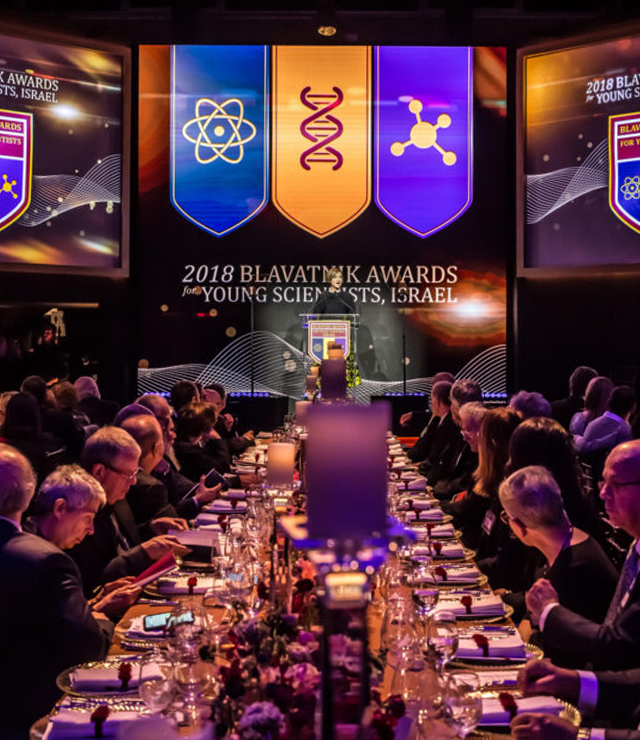
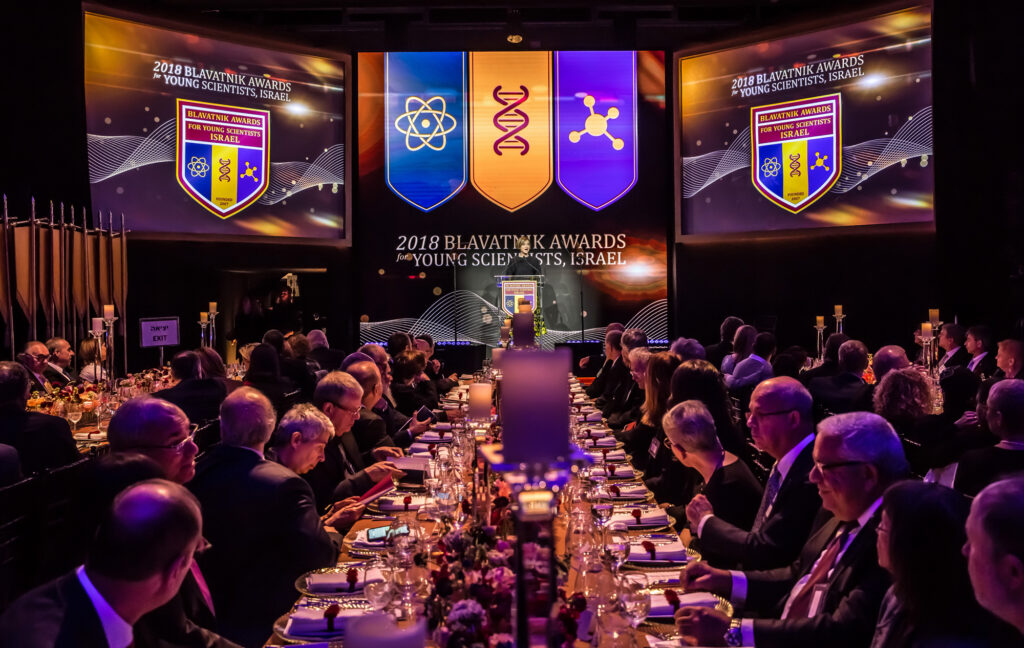
A shot from the gala for the inaugural Blavatnik Award ceremony in Israel.

The Blavatnik Family Foundation hosts the first Blavatnik Awards Ceremony in Israel in collaboration with The New York Academy of Sciences and the Israel Academy of Sciences and Humanities. Take a look at the spectacular occasion.

Published May 1, 2018

By Kamala Murthy

The Blavatnik Family Foundation in collaboration with The New York Academy of Sciences and the Israel Academy of Sciences and Humanities, hosted the Inaugural Ceremony and Gala for the Blavatnik Awards in Israel at the Israel Museum in Jerusalem on February 4, 2018.

This spectacular occasion marked the Blavatnik Awards’ first year in Israel.  Prominent leaders across Israel, including from academia, business and philanthropy, attended this remarkable event. Dana Weiss, Chief Political Analyst and host of Israel’s “Saturday Night with Dana Weiss,” presented the Blavatnik Awards as Ceremonial emcee.

The evening began with a vocal performance by one of Israel’s most celebrated singer/songwriters, Ronan Kenan.  A short opening film entitled “Start-up nation” was shown. The film highlighted Israel’s entrepreneurial spirit that drives innovation and discovery in the country. Both President Nili Cohen of the Israel Academy of Sciences and Humanities and President Ellis Rubinstein of the New York Academy of Sciences gave opening remarks for the inaugural ceremony.

Honoring Israel’s Leading Young Scientists

The evening honored three of Israel’s leading young scientists: Dr. Charles Diesendruck, a chemist reviving the field of “Mechanochemistry” from the Technion – Israel Institute of Technology; Prof. Anat Levin, a computer scientist working in the field of computational photography who is also from the Technion; and Dr. Oded Rechavi, a geneticist from Tel Aviv University studying non-DNA-based inheritance.

These three Laureates were chosen by a distinguished panel of judges from across Israel  and selected from 47 nominations that were submitted by eight of Israel’s top universities and independent research institutions.  Before each Laureate was announced, a short film introducing each scientist and the significance of their particular research areas were shown:

Blavatnik Family Foundation Founder and Chairman Mr. Len Blavatnik awarded each scientist with their personalized medal. The scientists were given the opportunity to present in-depth overviews of their current research to the audience. Nobel Laureate, Israel Prize Winner, and Distinguished Research Professor of the Faculty of Medicine at Technion – Israel Institute of Technology, Prof. Aaron Ciechanover, was the keynote speaker for the evening. The Anchor Choir of the Jerusalem Academy of Music and Dance concluded the ceremony with a vocal performance.

Learn more about the 2018 Blavatnik Laureates in Israel.

Israel’s Most Promising Researchers of 2018

Three outstanding Israeli Scientists win the 2018 Blavatnik Awards for Young Scientists in Israel during its inaugural year.

Published May 1, 2018

By Kamala Murthy

For over a decade in the United States, the Blavatnik Awards have honored exceptional young scientists and engineers. The award highlights their extraordinary achievements, recognizing their remarkable promise for future discoveries, and accelerating innovation in their research.

Established in 2007, the Blavatnik Awards are a signature program of the Blavatnik Family Foundation that are administered by the New York Academy of Sciences. Awarded in Israel for the first time – in collaboration with the Israel Academy of Sciences and Humanities – three of the country’s most outstanding young scientists and engineers will receive $100,000 each, one of the largest unrestricted prizes ever created for early-career researchers in Israel.

From 47 nominees, encompassing Israel’s most promising scientific researchers aged 42 years and younger and nominated by Israeli research universities, a distinguished national jury selected three outstanding laureates, one each from the disciplines of Life Sciences, Chemistry, and Physical Sciences & Engineering:

  • Dr. Oded Rechavi
    Senior Lecturer, Department of Neurobiology, Tel Aviv University
  • Dr. Charles Diesendruck
    Assistant Professor of Chemistry, Schulich Faculty of Chemistry, Technion – Israel Institute of Technology
  • Prof. Anat Levin
    Associate Professor, The Andrew & Erna Viterbi Faculty of Electrical Engineering, Technion – Israel Institute of Technology

The inaugural Blavatnik Awards for Young Scientists in Israel will be honored at a formal ceremony in Jerusalem on February 4, 2018. The Laureates will join a network of their peers as members of the Blavatnik Science Scholars community. The net work is currently comprised of over 220 Blavatnik Award honorees from the decade-old U.S. program. Laureates will also be invited to attend the annual Blavatnik Science Symposium at the Academy each summer. Here the Scholars come together to exchange new ideas and build cross-disciplinary research collaborations.

To learn more about this year’s Blavatnik Laureates and other honorees, please visit the Blavatnik website here and follow us on Twitter: @BlavatnikAwards.

New Blavatnik Awards Advance Science in the UK

At shot from the Blakatnik Awards ceremony in the UK.

The Blavatnik Family Foundation Hosts the UK’s First Blavatnik Awards Ceremony at London’s Victoria and Albert Museum in Collaboration with The New York Academy of Sciences

Published March 7, 2018

By Marie Gentile, Mandy Carr, and Richard Birchard

A gala evening celebrating the UK’s most promising young faculty-level scientists, the 2018 Blavatnik Awards for Young Scientists in the United Kingdom, was held on March 7, 2018 at the Victoria and Albert Museum in London. The evening was a glamorous event attended by the UK’s top leaders in science, business, and philanthropy.

The Blavatnik Awards, established by the Blavatnik Family Foundation in the United States in 2007 and administered by The New York Academy of Sciences, celebrate the past accomplishments and future potential of young faculty researchers, aged 42 years and younger. 

These awards recognize scientists working in three disciplinary categories of science: Life Sciences, Chemistry, Physical Sciences & Engineering.  

This occasion marked the inaugural year of the Awards in the UK.

Distinguished guests that attended the ceremony included Chief Medical Officer for England, Prof. Dame Sally Davies; ethologist and author, Richard Dawkins; Chief Executive of the British Association for the Advancement of Science, Ms. Katherine Mathieson; 2014 Nobel Laureate Prof. John O’Keefe, 2017 Nobel Laureate Prof. Richard Henderson.

Ellis Rubinstein, President and CEO of The New York Academy of Sciences served as Master of Ceremonies for the Blavatnik Awards Ceremony and provided opening remarks.  A processional of students from the SouthBank International School carried flags representing the honorees’ academic and research institutions into the ceremony.

In each category, two Finalists were awarded medals plus a prize of $30,000 and one Laureate in each category was awarded a medal and a prize of $100,000. Sir Leonard Blavatnik presented medals to the three Laureates and six finalists:

Chemistry

  • Clare Gray, of the University of Cambridge, introduced 2018 Blavatnik Awards UK Laureate in Chemistry Prof. Andrew L. Goodwin of University of Oxford and his work on ground-breaking research in theoretical and applied studies of disorder and flexibility in materials.

Physical Sciences & Engineering

  • Sir Richard Friend, from the University of Cambridge, introduced 2018 Blavatnik Awards UK Laureate in Physical Sciences & Engineering, Prof. Henry Snaith, also of University of Oxford, and highlighted his research in developing new, low-cost and high-efficiency solar cells based on metal halide perovskite materials.

Life Sciences

  • Veronica van Heyningen, Honorary Professor at University College London and University of Edinburgh, introduced 2018 Blavatnik Awards UK Laureate in Life Sciences, Dr. M. Madan Babu of the Medical Research Council (MRC) Laboratory of Molecular Biology, with the award for his insights into the structural biology and molecular logic of key proteins and protein motifs, including GPCRs [G-protein Coupled Receptors] and intrinsically-disordered protein regions.

The evening concluded with 2009 Nobel Laureate and President of the Royal Society Professor Sir Venki Ramakrishnan giving the keynote speech on elevating science through scientific awards and the importance of honoring scientists early in their career versus lifetime achievement awards.

The 2018 Blavatnik Awards for Young Scientists in the UK

Meet the rising scientific stars taking center stage this year as part of the 2018 cohort for the Blavatnik Awards for Young Scientists in the United Kingdom.

Published January 16, 2018

By Kamala Murthy

Physical Sciences & Engineering Laureate

Henry Snaith, PhD
Professor of Physics, University of Oxford

Prof. Snaith has striven to develop new photovoltaic technologies based on simply processed materials, which have promised to deliver solar energy at a fraction of the cost of incumbent silicon modules.

Through a series of key discoveries, he found that metal halide perovskite materials, which had been overlooked for decades because of their very low photovoltaic energy efficiency, can be employed in highly efficient solar cells. He has developed a low-cost synthesis method for the perovskite solar cells, and significantly raised their energy efficiency from 10.9 percent in his first publication to over 22 percent in a single junction perovskite solar cell, and more recently to 25 percent by combining perovskites with silicon solar cells.

Currently, he is pushing the perovskite-on-silicon tandem cells to surpass the 30 percent efficiency mark, making them very promising for industrial applications. He has also significantly improved long-term stability of perovskite solar cells and discovered numerous key fundamental aspects of the perovskite semiconductors, which helped broaden the application range of these materials to include light emission, radiation detection, memory and sensing.

Prof. Snaith’s work toward a significant cost reduction in photovoltaic solar power could help propel society to a sustainable future.

Physical Sciences & Engineering Finalists

Claudia de Rham, PhD
Reader in Theoretical Physics, Imperial College London

Dr. de Rham has revitalized massive gravity theory, which is one way of modifying General Relativity to solve the open puzzles of cosmology. The early versions of massive gravity theory had been known for their dangerous pathologies, including a ghost mode and a discontinuity with General Relativity in the limit where the mass of a graviton goes to zero.

In 2010, Dr. de Rham solved such problems by constructing a nonlinear theory of massive gravity, which is ghost free and theoretically consistent. Since this breakthrough, Dr. de Rham has further established the effective quantum theory of massive gravity to describe the accelerated expansion of the universe as a purely gravitational effect, with the role of dark energy being played by massive gravitons.

Her work has continued to define the field beyond Einstein’s theories of gravity and cosmology, and revolutionized our understanding of the fundamental evolution of the universe and the quantum nature of gravity.

Andrew Levan, PhD
Professor of Astronomy, University of Warwick

Prof. Levan works on the observation of gamma-ray bursts (GRBs), which are the most luminous and energetic explosions in the universe. He has achieved a new understanding of the rich relativistic physics behind GRBs, and has deployed such phenomena as powerful probes that act as lighthouses to the distant universe.

For instance, a new type of GRB he discovered opened an entirely new window onto the properties of black holes at the center of galaxies. Most recently, Prof. Levan has also played a major role in the characterization of the first electromagnetic counterpart to a gravitational wave source, GW170817. This included the identification of the infrared counterpart and leading the first observations of this counterpart with the Hubble Space Telescope.

These events provide the astrophysics community with a completely new way to study the Universe, and explore new information from deep inside extreme events, places that cannot be seen with normal light.

Chemistry Laureate

Andrew Goodwin, PhD
Professor of Materials Chemistry, University of Oxford

Prof. Goodwin is a world leader in the study of the dual roles of mechanical flexibility and structural disorder in the chemistry and physics of functional materials.

Examples of materials that rely on localized disorder to enhance functionality include semiconductors and glass.  Goodwin’s laboratory utilizes advanced diffraction and modelling techniques to probe disordered materials and subsequently produce new, tailored materials that display unique properties. Most materials expand upon heating and shrink when compressed; however, Goodwin has discovered that by careful control of the disorder within the structure of a substance, the opposite can occur — materials will shrink upon heating (negative thermal expansion) and expand when compressed (negative linear compressibility).

These counterintuitive processes are useful in the design of heat-resistant materials, advanced pressure sensors, artificial muscles and even body armor. Goodwin has also played a key role in the structural analysis of amorphous materials using total scattering methods, which, in the case of amorphous calcium carbonate, the key structural component in bones and shell, led to a complete understanding of the ability of organisms to nucleate different crystalline structures from the same biomineral precursor.

Chemistry Finalists

Philipp Kukura, PhD
Professor of Chemistry, University of Oxford

Prof. Kukura develops and applies novel spectroscopic and microscopic imaging techniques with the aim of visualizing and thereby studying biomolecular structure and dynamics.

Of particular importance are Prof. Kukura’s recent breakthroughs in scattering-based optical microscopy, where his group was the first to demonstrate nanometer-precise tracking of small scattering labels with sub-millisecond temporal resolution, which enables highly accurate measurements and mechanistic insight into the structural dynamics of biomolecules such as molecular motors and DNA. His group was also able to develop ultrasensitive label-free imaging and sensing in solution, down to the single molecule level, which has the potential to revolutionize our ability to study molecular interactions and self-assembly.

The Kukura group continues to challenge what we believe we can measure and quantify with light and use it to improve our understanding of biomolecular function. Ultimately, this technology has the potential to enable a variety of universally applicable and quantitative methods to probe molecular interactions at the sub-cellular level.

Robert Hilton, PhD
Reader, Department of Geography, Durham University

Dr. Hilton’s research has provided new insights on Earth’s long-term carbon cycle and the natural processes that transfer carbon dioxide (CO2) between the atmosphere and rocks. His research has uncovered how erosion of land in the form of geomorphic events (earthquakes and resulting landslides), weathering of organic carbon in rocks, and the export of carbon by rivers can impact atmospheric CO2 concentration. Dr. Hilton and colleagues have developed geochemical and river sampling methods which allow this to be done.

The release of CO2 into the atmosphere through the actions of humans burning fossil fuels has become a concern in recent decades.  Dr. Hilton’s research highlights that the natural rates of this process (by weathering and breakdown of rocks) is much, much slower. The planet is currently undergoing dramatic changes with respect to global climate, and it is crucially important to consider whether these aspects of the carbon cycle may amplify human impacts.

Life Sciences Laureate

M. Madan Babu, PhD
Programme Leader, MRC Laboratory of Molecular Biology

Dr. Babu’s multi-disciplinary work employs techniques from data science, genomics and structural biology to analyze biological systems. Using this innovative approach, Dr. Babu has made important discoveries about proteins called G-protein-coupled receptors (GPCRs). These proteins are implicated in numerous human disorders, and drugs targeting GPCRs represent nearly 30 percent of all drug sales.

Dr. Babu has shown that many GPCRs targeted by common drugs can differ significantly from one person to another, so patients with different versions of the same GPCR are likely to have different responses to the same drug. These findings will begin to identify problematic treatments, and could potentially revolutionize personalized medicine. In a parallel body of work, Dr. Babu has also made fundamental discoveries in the role of so-called “disordered” proteins. About 40 percent of human proteins have a region where the protein becomes more flexible, less structured — these floppy, flexible parts of proteins have puzzled structural biologists for decades.

Dr. Babu and his team have helped to establish the roles of disordered proteins in health and disease. Together, these studies shed light on key types of proteins that are integral to human health.

Life Sciences Finalists

John Briggs, DPhil
Programme Leader, MRC Laboratory of Molecular Biology

Dr. Briggs uses and develops state-of-the-art techniques in electron microscopy to understand the structure and functions of biological molecules. He pioneered a technique called cryo-electron tomography (cryo-ET), which allows visualization of biological specimens at near-atomic resolution.

He has combined this technique with other types of microscopy to identify and image rare and dynamic cellular events. Dr. Briggs was the first to achieve pseudo-atomic resolution for visualization of a biological structure using cryo-ET by imaging the capsid domains of HIV. This remarkable achievement revealed the network of protein interactions governing the assembly of HIV particles, and provides new insights into viral function.

Dr. Briggs is at the forefront of structural biology, leading the search for higher resolution visualizations of cellular processes directly within their native environments. By turning these techniques to important biological questions, his work stands to have broad impact on our understanding of the biology of cells and viruses.

Timothy Behrens, DPhil
Professor of Computational Neuroscience, Nuffield Department of Clinical Neurosciences
Deputy Director, FMRIB Centre, University of Oxford
Honorary Lecturer, Wellcome Centre for Imaging Neuroscience, University College London

Prof. Behrens uses mathematical models, behavioral experiments and neural recordings to dissect the biological computations that underlie human behavior. He has uncovered key aspects of how we represent the world around us, make decisions and guide our behavior.

His group has shown that the neural structures used to represent physical space are also used to represent abstract concepts — the brain uses a similar mechanism to encode “maps” of abstract ideas. Such findings have impact on neural network computing and artificial intelligence, but also on our understanding of cognition and mental health. Prof. Behrens has also worked to map the precise anatomy of the human brain, and is leading a large-scale collaboration to map networks of neurons important for cognition.

Few fields are more intimately related to our sense of what it means to be human — and Prof. Behrens and his team are at the forefront of this understanding.