5G mobile technologies are being deployed at a rapid pace in major cities around the globe–from Shanghai to New York City, and techies, worldwide, excitedly agree that 5G will not only transform the way we communicate, but will fundamentally alter the way the manufacturing industry runs its factory floors.
Published September 1, 2020
By Marvin L. Cummings Jr., PhD
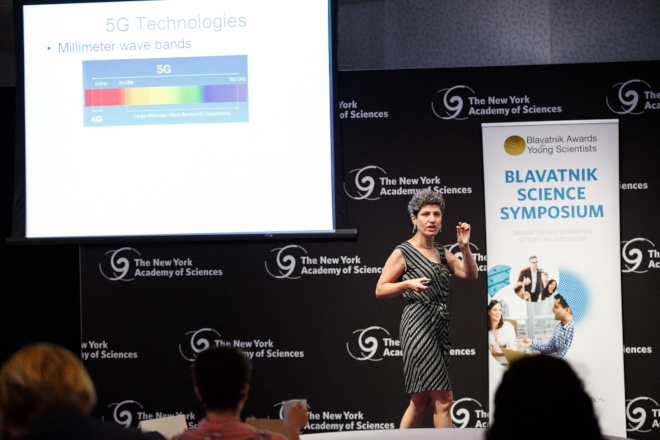
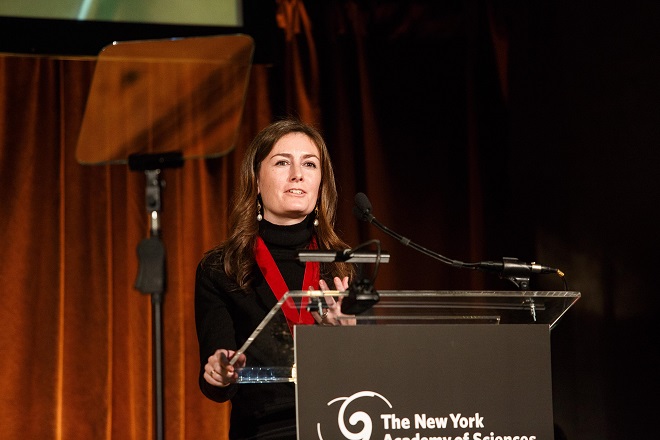
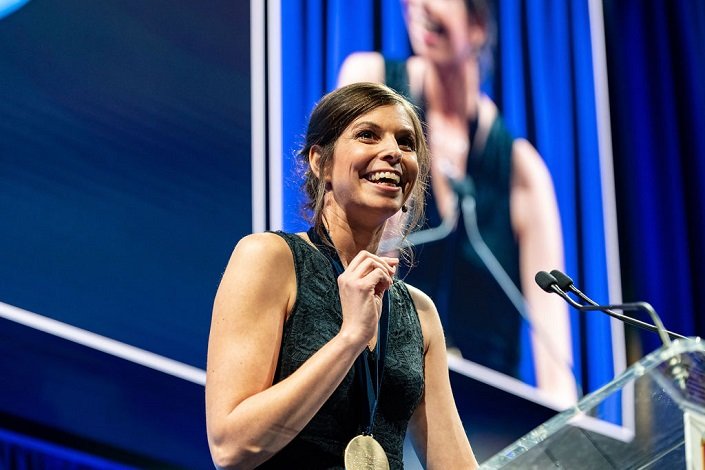
Prof. Elza Erkip speaking on 5G technologies at the 2019 Blavatnik Science Symposium held at The New York Academy of Sciences.
To help us understand what all the excitement around 5G really means to the average mobile user, we asked Elza Erkip, PhD, Institute Professor of Electrical and Computer Engineering at New York University and a 2010 Blavatnik Regional Awards Faculty Finalist, to share her thoughts on the new 5G technology being developed here in the United States, her research, and the future of mobile communications.
This interview has been condensed and edited for clarity.
What is 5G technology and what can 5G technology enable in our everyday lives?
Today, there are two technologies envisioned for 5G. In several parts of the world (such as Europe and China), a technology called “massive MIMO”, which is based on current 4G frequencies is being deployed. The United States favors a higher frequency version, known as the millimeter Wave (mmWave) technology. While the mm-wave technology provides faster communication, it requires new infrastructure and a denser deployment of base stations. Compared with today’s current technology, both flavors of 5G will give us a much higher speed of communication with lower delays.
There are many applications that are envisioned, such as autonomous driving vehicles; low weight, low cost robotics; and augmented reality (AR), and up to now, all of the advances made in communications have been based on the notion that humans use devices. However, with 5G technology, an Internet of Things (IoT) is being envisioned—a network of sensors and devices that are able to interact with one another. These machine interactions could enable even more applications, including, sensing in a field, home monitoring systems, and a host of healthcare applications.
How might 5G technologies and the Internet of Things (IoT) benefit industry?
Imagine a factory floor where airplanes are built by robots that work cooperatively with humans and also with one another to get any number of complex tasks done. Today, this does not happen in airplane manufacturing. For example, humans are needed inside the tight confines of a plane’s hull to perform any number of tasks, including tightening small screws.
To fully automate airplane manufacturing, a robot would need to be light-weight and carry very little computational power, since computations require such bulky hardware. However with a 5G wireless communication link, information in the form of data could be pushed to the cloud for computation, very quickly, and returned back from the cloud to the robot as fast real-time feedback, so the robot is free to only sense its environment while lifting its arm inside a plane without the worry of accidentally damaging other airplane parts.
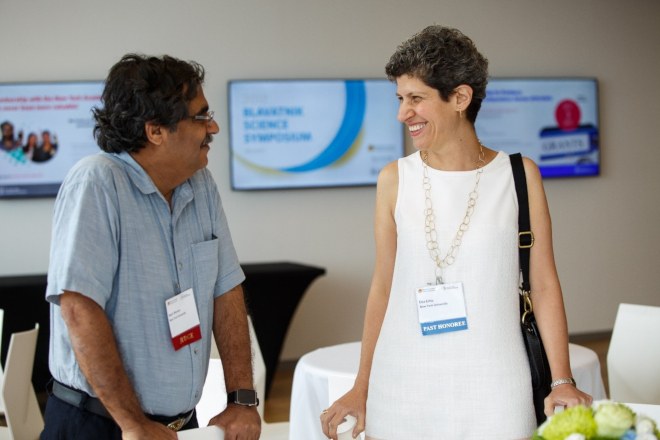
Elza Erkip speaking with her NYU Faculty colleague and Blavatnik Awards Regional Judge Nasir Memon at the 2017 Blavatnik Science Symposium.
What role should engineers and researchers play in dispelling some of the myths and fears surrounding 5G?
There have been several studies looking at safety of high frequency 5G technology, and there is no scientific evidence showing 5G to be harmful to our health. Even though 5G researchers know this, we could do a better job of getting this information to the public. It is important for researchers to cite the proper scientific studies, and where possible, collaborate with doctors to further strengthen studies. I think this is an area where engineers could do better with public relations outreach to dispel myths.
Research in your lab is at the forefront of mobile technology. What specific questions are you addressing in your lab and how may it impact users of 5G technology?
My lab is looking at 5G technology from a variety of perspectives. 5G technologies are very energy-intensive, so we are looking into ways of lowering energy consumption while still maximizing the benefit that 5G can bring. We are also looking at privacy. When we surf the internet, we are constantly leaving digital “breadcrumbs” behind that reveal part of our identity.
No matter how well-intentioned a website or app, digital breadcrumbs can be brought together to compromise a user’s privacy or identity. For wireless technology, privacy becomes even more important. Digital breadcrumbs can be collected by apps on our phone, including data from wireless carriers on our mobility patterns. So, keeping the exciting tools that these apps enable while maintaining the privacy of wireless users is quite a challenge, and is something my research group is seriously thinking about, as well.
What interesting applications are being imagined for the future, beyond 5G technology?
Overall, the industry is looking to increase communication speeds even further, which might one day enable applications that currently sound like science fiction, such as 3D-hologram video conferencing. There is currently no real consensus on what a future 6G technology will bring, but there are some sophisticated ideas out there, like “edge computing,” which is a type of sharing of data-storage capabilities that could be optimized across a mobile network of systems and devices to further speed up communications.
For example, if you’re streaming your favorite show, the next episode could be uploaded to servers located closer to you rather than remaining on the streaming service’s centralized servers. This would reduce demand on wireless networks. Other features being discussed for 6G are wireless power transfer technologies that can power a drone and use the exact same signal to also communicate with the drone. Sounds a bit like science fiction, but a lot of good theoretical work in the mobile communications space suggests that this technology is a real possibility. We’re not there yet but the question in my mind is, “Can we make this a reality for 6G?”
To learn more about the Blavatnik Awards for Young Scientists, visit blavatnikawards.org.
On March 5, 2020, the New York Academy of Sciences celebrated the Laureates and Finalists and winners of the 2020 Blavatnik Awards for Young Scientists in the United Kingdom. The one-day symposium featured fast-paced, engaging research updates from nine scientists working in diverse fields within life sciences, chemistry, and physical sciences and engineering. This year’s Blavatnik UK honorees are probing the deepest mysteries ranging from the universe to the human mind, tackling longstanding questions that have occupied scientists and philosophers for millennia. Is there life beyond our Solar system? How is knowledge organized in the brain? What is the fundamental nature of gravity? Find out how this game-changing group of young scientists is working to answer these questions in this summary of the symposium.
Symposium Highlights
Environmental factors can influence the defense strategies bacteria use to fend off invading viruses. Insights into this process are advancing the potential for phage therapy as an alternative to antibiotics.
New analytical and computational tools are revealing the neural machinery that allows the brain to create models of the world and facilitates decision-making and behavior.
Chemists can exploit chirality to create novel molecules with a wide variety of applications in drug design, consumer electronics, and catalysis.
The scientific community is closer now than ever to realizing the commercial potential of nuclear fusion as a source of clean energy.
The first viable theory of massive gravity might help explain some of the biggest mysteries in physics, including the accelerated expansion of the universe.
Hosted By
Victoria Gill Science Correspondent BBC News
Speakers
Tim Behrens, DPhil University of Oxford and University College London
Ian Chapman, PhD UK Atomic Energy Authority
Matthew J. Fuchter, PhD Imperial College London
Stephen M. Goldup, PhD University of Southampton
Kirsty Penkman, PhD University of York
Claudia de Rham, PhD Imperial College London
Eleanor Stride, PhD University of Oxford
Amaury Triaud, PhD University of Birmingham
Edze Westra, PhD University of Exeter
Program Supporter
Changing the Game in Life Sciences
Speakers
Eleanor Stride, PhD University of Oxford
Edze Westra, PhD University of Exeter
Tim Behrens, DPhil University of Oxford & University College London
Engineering Bubbles
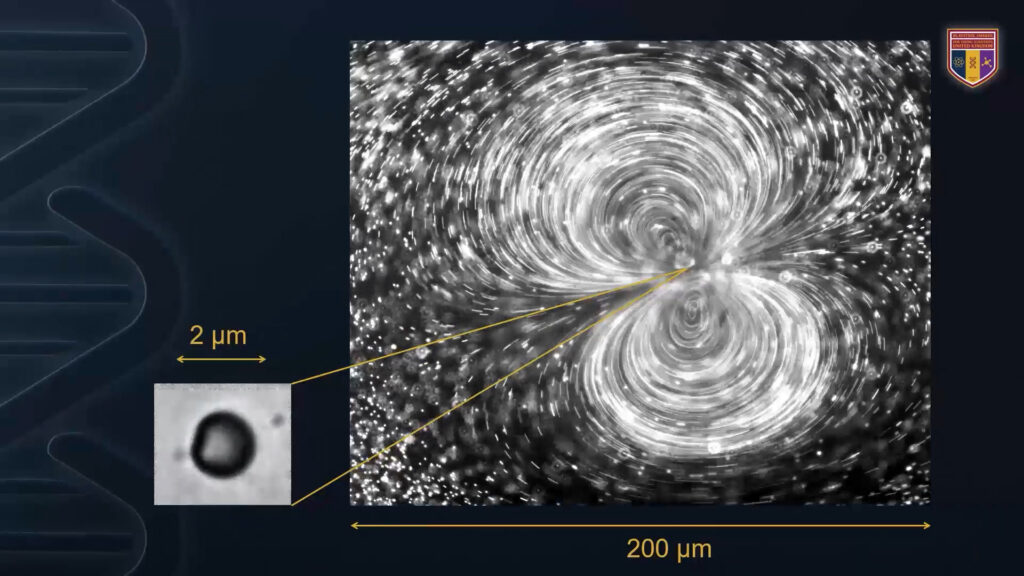
Mechanical engineer Eleanor Stride never planned to design drug delivery systems. She was “convinced I wanted to spend my career designing Aston Martins,” until a chance discussion with a supervisor piqued her interest in therapeutic applications of engineered microbubbles. Just two microns in diameter, microbubbles can be used as ultrasound contrast agents, but Stride sees a role for these tiny tools in the fight against cancer. “In many cases, the problem with cancer drugs [is] how we deliver them,” she said, explaining that systemic chemotherapy agents often cannot penetrate far enough into tumors to be effective. These drugs can also cause side effects and damage healthy tissues.
Microbubbles can help sidestep these challenges, safely encapsulating drug molecules within a stabilizing shell. The shell can be functionalized with magnetic nanoparticles, allowing clinicians to direct the bubbles’ aggregation at tumor sites and visualize them with ultrasound. As the bubbles compress and release in response to the ultrasound beam, the oscillation helps the bubbles penetrate into the surrounding tissue. “If we increase the ultrasound energy, we can destroy the bubble, allowing us to release the drugs on demand,” said Stride, noting that molecules released from a single 2-micron microbubble can circulate up to 100 times that diameter, pumping drugs deep into tumor tissues. This approach is highly localized—drugs are only released at the tumor site—which eliminates the potential for systemic toxic effects.
Ultrasound-stimulated oscillation of microbubbles creates a vortex in surrounding fluids. The vortex pumps drug molecules deep into tumor sites.
In 2019, Stride and a team of collaborators published the results of trials using oxygen-loaded magnetic microbubbles to treat malignant pancreatic tumors. In animal models, tumors treated with microbubble-delivered drugs showed dramatic spikes in cell death and also shrank in size, “which can mean the difference between a surgeon being able to remove a tumor or not,” said Stride. Additional experiments have helped hone techniques for external magnetic control of microbubbles within blood vessels to ensure precise, targeted drug delivery—a critical step toward tailoring this method for use in humans. Stride and her collaborators aim to launch a clinical trial in pancreatic cancer patients “in the very near future.”
Insights From Bacteria-Phage Interactions
As the fight against viruses dominates the news cycle, 2020 Blavatnik Awards UK Finalist Edze Westra shared an update from the front lines of a viral war billions of years in duration: the “evolutionary arms race” between bacteria and the viruses that infect them, called phages. The interactions between bacteria and phages—the most abundant biological entities on Earth—have profound implications for the development of phage-based therapies as alternatives to antibiotics.
Phages are often successful killers, but bacteria have evolved sophisticated immune strategies to resist attacks. Understanding how and when bacteria deploy each of these defensive tactics is key to designing phage therapies to treat bacterial infections.
Like humans, bacteria utilize both innate and adaptive immune responses to invading pathogens. In bacteria, innate immunity relies on the modification of surface structures to prevent phages from attaching. This system is effective, yet it creates no “record,” or memory, of which phages it encounters. The adaptive immune system, however, allows bacteria to build a database of previously encountered pathogens in the form of bits of genetic material snipped from invading phages and incorporated into the bacterium’s own DNA. The adaptive immune system, known as CRISPR immunity, forms the basis of CRISPR-Cas genome editing techniques. “There’s a critical balance between these two systems, and both are critical for survival,” said Westra, whose research aims to determine the factors that influence whether a bacterium mounts an innate or adaptive immune defense against a particular phage.
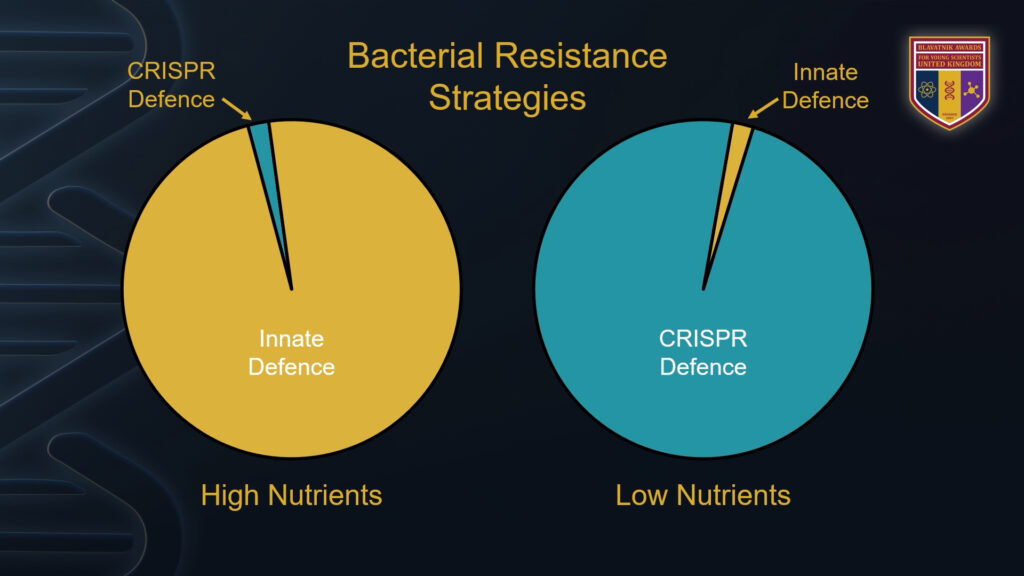
Using Pseudomonas aeruginosa, an antibiotic-resistant pathogen that often infects cystic fibrosis patients, Westra determined that a bacterium’s environment—specifically, the level of available nutrients—determined which defensive strategy was utilized. In high-nutrient environments, almost all bacteria deployed an innate immune response to phage attacks, whereas in lower nutrient settings, CRISPR immunity dominated.
The level of available nutrients influences which immune strategy bacteria use to defend against phage attacks.
In experiments using moth larvae, Westra discovered that infections were more severe when bacteria utilized CRISPR immunity, whereas bacteria that evolved innate immunity often caused less aggressive infections. “If we can manipulate how bacteria evolve resistance to phages, this could potentially revolutionize the way we approach antimicrobial resistance, with major benefits to our healthcare,” Westra said.
Building Models of the World
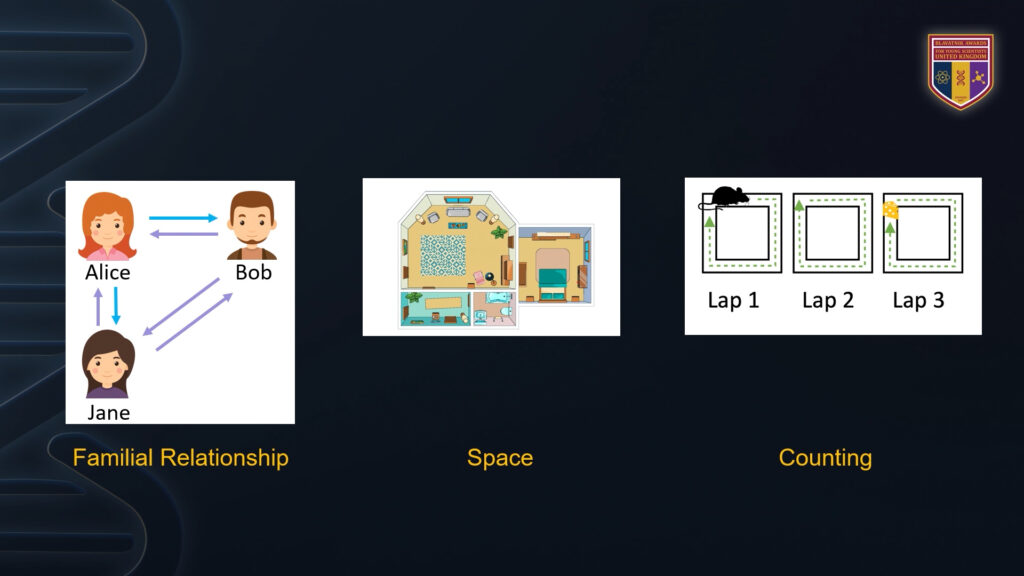
Computational neuroscientist Timothy Behrens is fascinated with the basic functions and decisions of everyday life—the process of navigating our home or city, the steps involved in completing household tasks, the near-subconscious inferences that inform our understanding of the relationships between people and things. Behrens designs analytical tools to understand how neuronal activity in the brain gives rise to these thought processes and behaviors, and his research is illuminating how knowledge is organized in the brain.
The activities of grid cells and place cells are well understood. By creating spatial maps of the world, grid and place cells allow us to navigate familiar spaces and locate items, such as car keys. Behrens explained that much less is known about how the brain encodes non-spatial, abstract concepts and sequence-based tasks, such as loading, running, and emptying a dishwasher. Over the past several years, Behrens and his collaborators have demonstrated that abstract information is similarly mapped as grid-like codes within the brain. “On some level, all relational structures are the same, and all are handled by the same neural machinery,” he said. This insight helps explain the effects of diseases like Alzheimer’s, which targets grid and place cells first and impacts both spatial and non-spatial knowledge.
Relational information is encoded by the same neural machinery that encodes spatial and navigational maps.
In another line of research, Behrens is probing a phenomenon called replay, during which the brain revisits recent memories as a means to consolidate knowledge about current events and anticipate future ones. Behrens illustrated the concept by showing patterns of neuronal activity as a rat runs around a track, then rests. Even at rest, the rat’s brain displays millisecond-long flashes of neuronal activity that mimic those that take place during running. “He’s not running down the track anymore, but his brain is,” said Behrens. Replay also underlies the human ability to understand a simple story even when it’s told in the wrong order. “Our knowledge of the world tells us…what the correct order is, and replay will rapidly stitch together the events in the correct order.”
Computational tools developed in Behrens’ lab have been shared with thousands of scientists around the globe as they pursue new hypotheses about the neural computations that control cognition and behavior. “It’s an exciting time to be thinking about the brain,” Behrens said.
Exploiting Molecular Shape to Develop Materials and Medicines
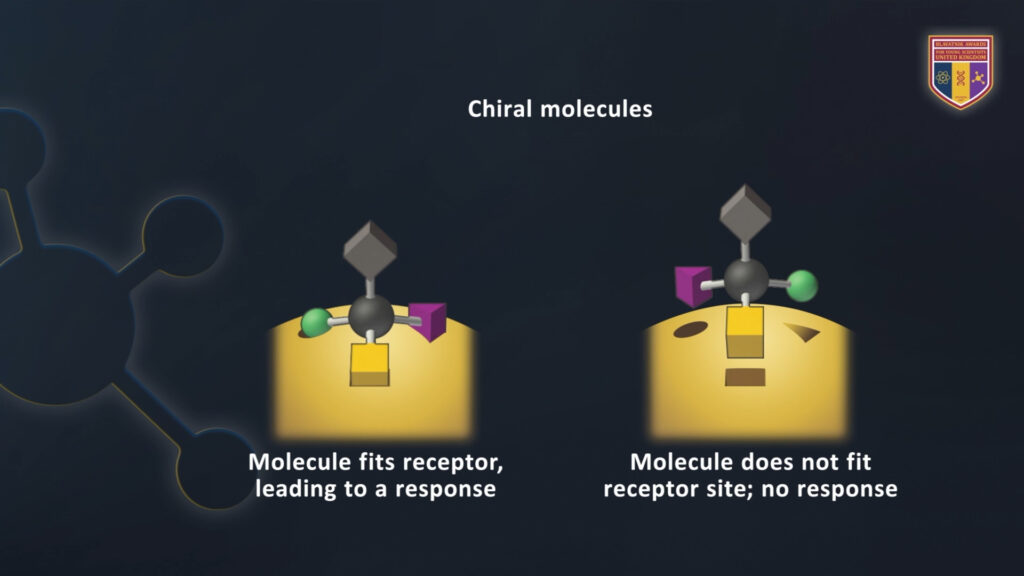
Consider the handshake: a greeting so automatic it takes place without thinking. Two right hands extend and naturally lock together, but as Matthew Fuchter explained, that easy connection becomes impossible if one party offers their left hand instead. The fumbling that ensues stems from a type of asymmetry called chirality. Chiral objects, such as hands, are mirror-image forms that cannot be superimposed or overlapped, and when one chiral object interacts with another, their chirality dictates the limits of their interaction. Chirality can be observed throughout nature, from the smallest biological molecules to the structures of skyscrapers.
In organic chemistry, molecular chirality can be exploited to tremendous advantage. Fuchter explained that the shape of molecules “is not only critical for their molecular properties, but also for how they interact with their environment.” By controlling subtle aspects of molecular shape, Fuchter is pioneering new strategies in drug design and devising solutions to technological problems that plague common electronic devices.
The notion of pairing complementary molecular geometries to achieve a specific effect is not unique to drug design—such synchronicities can be found throughout nature, including in the “lock and key” structure of enzymes and their substrates. Fuchter’s work aims to invent new drug molecules with geometries perfectly suited to bind to specific biological targets, including those implicated in diseases such as malaria and cancer.
Only one of these two chiral molecules has the correct orientation, or “handedness” to bind to the receptor site on the target protein.
Fuchter is also exploring applications for chirality in a field where the concept is less prominent—consumer electronics. Organic LED, or OLED, technology has “revolutionized the display industry,” allowing manufacturers to create ultra-thin, foldable screens for smartphones and other displays. Yet these features come at a steep efficiency cost—more than half of the light generated by OLED pixels is blocked by anti-glare filters added to the screens to minimize reflectiveness. A novel solution, in the form of chiral molecules bound to non-chiral OLED-optimized polymers, induces a chiral state of light called circularly polarized light. These circularly polarized, chiral light molecules are capable of bypassing the anti-glare filter on OLED screens. Fuchter noted that displays are far from the only technology that stands to be impacted by the introduction of chiral molecules. “Our research is generating new opportunities for chiral molecules to control electron transport and electron spin, which could lead to new approaches in data storage,” he said.
Making Use of the Mechanical Bond
Most molecules are bound by chemical bonds—strong, glue-like connections that maintain the integrity of molecules, which can be both simple, such as hydrogen, and highly complex, such as DNA. 2020 Blavatnik Awards UK Finalist Stephen Goldup’s work focuses on a less familiar bond. Mechanical bonds join molecules in a manner akin to an interconnected chain of links—the components retain movement, yet cannot separate.
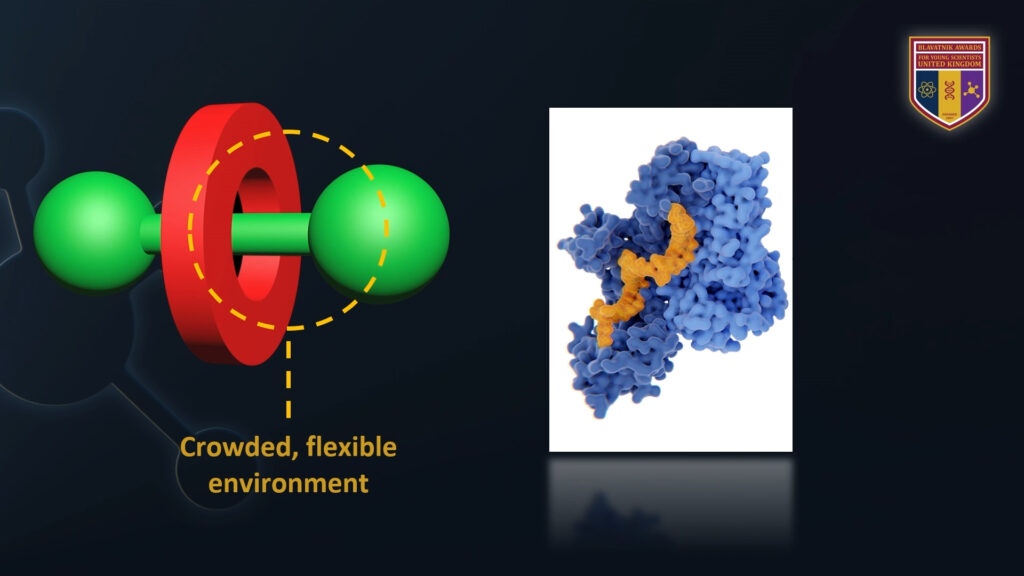
Mechanically interlocked molecules have the potential to yield materials with “exciting properties,” according to Goldup, but in the decades since they were first synthesized, they have largely been regarded as “molecular curiosities.” Goldup’s lab is working to push these molecules beyond the laboratory bench by characterizing the properties of interlocked molecules and probing their potential applications in unprecedented ways. His work focuses on two types of mechanically bound molecules—catenanes, in which components are linked together like a chain, and rotaxanes, which consist of a ring component threaded through a dumbbell-shaped axle.
Goldup’s lab has taken cues from nature to introduce additional elements into rotaxanes, resulting in novel molecules with a variety of potential applications. For example, much as enzymes contain “pockets” within which small molecules can bind, rotaxanes too contain a space that can trap a molecule or ion of interest. Rotaxanes that bind metal ions have unique magnetic and electronic properties that could be used in memory storage devices or medical imaging. Inspired by proteins and enzymes that bind DNA, Goldup’s lab has also designed rotaxanes in which DNA itself is the “axle.” In theory, these molecules can be used to effectively “hide” portions of DNA and alter its biological behavior.
Just as enzymes bind small molecules with their structures, rotaxanes can bind molecules in the cavity between the ring and the axle.
Perhaps most significantly, Goldup’s lab has solved a longstanding obstacle to studying rotaxanes: the difficulty of making them. The problem lies in the fact that rotaxanes can be chiral even when their components are not, making it extremely challenging to synthesize a distinct “hand,” or version, of the molecule. Recalling Matthew Fuchter’s example of how an awkward left-hand/right-hand handshake differentiates the “handedness” of two chiral objects, Goldup explained how his lab developed a technique for synthesizing distinctly “left” or “right” handed rotaxanes by utilizing a chiral axle to build the molecules. “Our insight was that by making the axle portion chiral on its own, when we thread the axle into the ring, the rotaxanes we make are no longer mirror-images of each other. They have different properties, and they can now be separated,” he said. Once separate, the chiral portion of the axle can be chemically removed and replaced with other functional groups.
Goldup’s lab is conducting experiments with new mechanically-locked molecules—including chiral rotaxane catalysts— to determine where they may outperform existing catalysts.
Amino Acids as a Portal to the Past
Scientists have multiple methods for peering into the history of Earth’s climate, including sampling marine sediment and ice cores that encapsulate environmental conditions stretching back millions of years. “But this is an incomplete picture—akin to a musical beat with no notes,” said Kirsty Penkman, the 2020 Blavatnik Awards UK Laureate in Chemistry. The records of life on land—fossil records—provide “the notes to our tune, and if we know the timing, that gives us the whole melody,” she said. Archaeologists, paleontologists, and climate scientists can harmonize fossil records with climate history to understand the past, yet their efforts stall with fossils older than 50,000 years—the limit of radiocarbon dating.
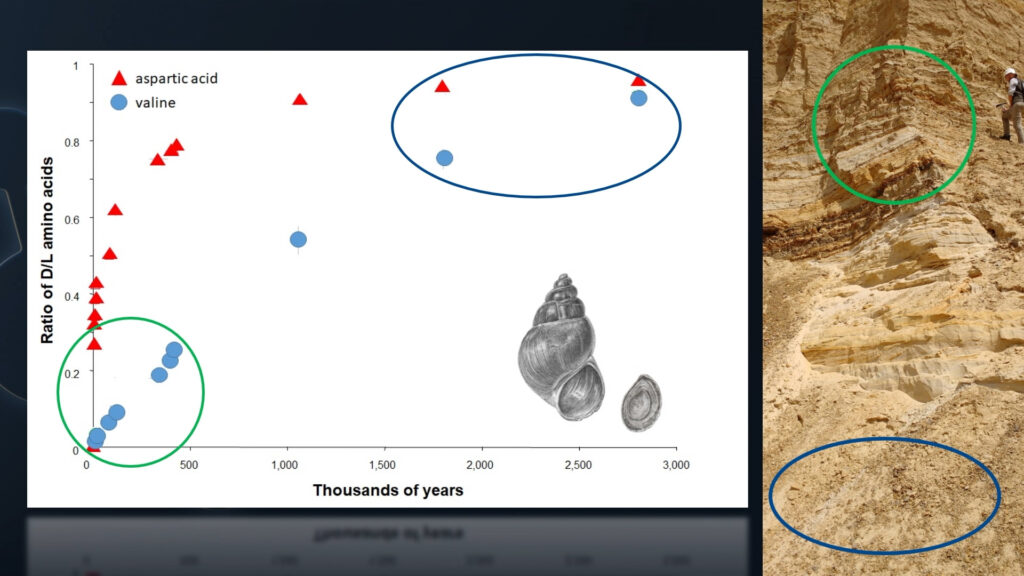
Penkman’s lab is developing dating methods for organic remains that reach far deeper into the history of life on Earth. Their strategy relies not on the decay of carbon, but the conversion of amino acid molecules from one form to another. Continuing the theme of chirality from previous presentations, Penkman explained that amino acids exist in two mirror-image forms. However, the body only synthesizes amino acids in the “left-handed,” or L-form. This disequilibrium shifts after death, when a portion of L-amino acids begins a slow, predictable conversion to the right-handed, or D-form. The older the fossil, the greater the balance between D and L isomers. This conversion process, called racemization, was first proposed as a dating method in the 1960s. Yet, it became clear that some of the fossil amino acids were vulnerable to environmental factors that impact the racemization rate, and therefore the date.
About 15 years ago, Penkman discovered that minute stores of proteins within the remains of snail shells are entrapped in intracrystalline voids. These tiny time capsules are unaffected by environmental factors. Studies have since confirmed that shells found in older horizons, for example deeper underground, contain higher ratios of D-amino acids versus those found at younger sites, thus validating the technique.
Calcitic snail shells found at older horizons have higher ratios of D-amino acids than those found at younger horizons.
Snail shells are often found in archeological sites, a serendipity that has led to astonishing findings about early human migration. Shells found alongside several Paleolithic tools “dated as far back as 700,000 years,” according to Penkman. “We’ve successfully shown that early humans were living in Northern Europe 200,000 years earlier than previously believed,” she said.
Penkman’s team has analyzed remains of ostrich eggshells at some of the earliest human sites in Africa, discovering fully preserved, stable sequences of proteins in shells dating back 3.8 million years. Mammalian remains are the next frontier for Penkman’s lab. They have analyzed amino acids in ancient tooth enamel—including that of a 1.7-million-year-old rhinoceros—and are developing microfluidic techniques to sample enamel from early human remains.
Changing the Game in Physical Sciences and Engineering
Speakers
Amaury Triaud University of Birmingham
Ian Chapman UK Atomic Energy Authority and Culham Centre for Fusion Energy
Claudia de Rham Imperial College London
Worlds Beyond Our Solar System
For millennia, humans have wondered whether life exists beyond our planet. Amaury Triaud, 2020 Blavatnik Awards UK Finalist believes we are closer to answering that question now than at any other time in history. The study of exoplanets—planets that orbit stars other than the Sun—offers what Triaud believes is “the best hope for finding out how often genesis happens, and under what conditions.”
The search for exoplanets has revealed remarkable variety among stars and planets in our galaxy. “The universe is far more surprising and diverse than we anticipated,” said Triaud. Astronomers have identified thousands of exoplanets since 1995, and now estimate that there are more planets in the Milky Way than stars—”something we had no idea about ten years ago,” Triaud said. Many exoplanets orbit stars so much smaller than the Sun that these stars cannot be seen with the naked eye. Yet these comparatively small stars provide “optimal conditions” for exoplanet hunters.
Exoplanets are often detected using the transit method—as an orbiting planet passes in front of a star, its shadow temporarily dims the star’s brightness. The larger the planet relative to the star, the greater its impact on the brightness curve and the easier for astronomers to detect. While monitoring a small star 39 light-years from Earth, TRAPPIST-1, a team of astronomers, including Triaud, discovered an exoplanet system comprised of seven rocky planets similar in size to Earth, Venus, and Mercury.
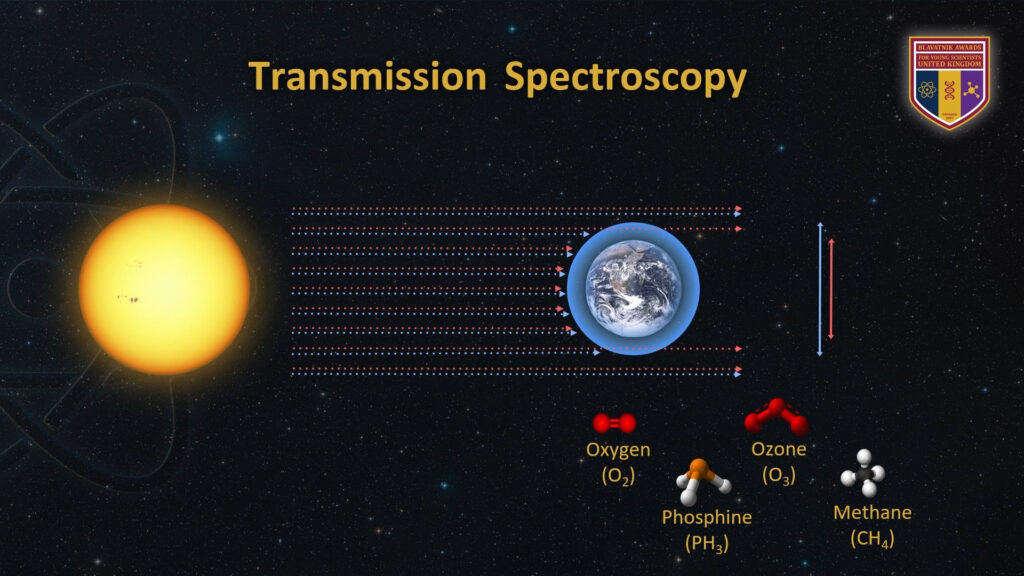
“The next question is to find out whether biology is happening out there,” said Triaud, joking that the biology of interest is not little green men, but rather green algae or microbes similar to the ones that fill our atmosphere with oxygen. The presence of oxygen “acts like a beacon through space, broadcasting that here on Earth, there is life,” said Triaud, explaining that the only way to gauge the presence of life on exoplanets is through atmospheric analysis. Using transmission spectroscopy, Triaud and other astronomers will look for exoplanets that possess an atmosphere and chemical signatures of life, such as oxygen, ozone, or methane, in the atmospheric composition of exoplanets.
Measurements of spectral signatures in a planet’s atmosphere can reveal the presence of gases associated with life, including oxygen and methane.
Such analyses will begin with the launch of the James Webb telescope in 2021. In the meantime, a land-based mission called Speculoos, based partially in Chile’s Atacama desert, is monitoring 1,400 stars in search of additional exoplanets. “It’s rather poetic that from one of the most inhospitable places on Earth, we are on the path to investigating habitability and the presence of life in the cosmos,” Triaud said.
The Path to Delivering Fusion Power
“There’s an old joke that nuclear fusion is 30 years away and somehow always will be,” said 2020 Blavatnik Awards UK Finalist Ian Chapman, but he insists that the joke will end soon. According to Chapman, the “ultimate energy source” is entering the realm of reality. “We’re now in the delivery era, where fusion lives up to its potential,” he said. Low-carbon, low-waste, capable of producing tremendous amounts of energy from an unlimited fuel source—seawater—and far safer than nuclear fission, fusion power has a long list of desirable qualities. Chapman is the first to acknowledge that fusion is “really hard,” but his work is helping to ease the challenges and bring a future of fusion into focus.
Nuclear fusion relies on the collision of two atoms—deuterium, or “heavy” hydrogen, and tritium, an even heavier isotope of hydrogen. Inside the Sun, these atoms collide and fuse, producing the heat and energy that powers the star. Replicating that process on Earth requires enough energy to heat the fuel. of deutrium and tritium gases to temperatures ten times hotter than the Sun, a feat that Chapman admits “sounds bonkers, but we do it every day.”
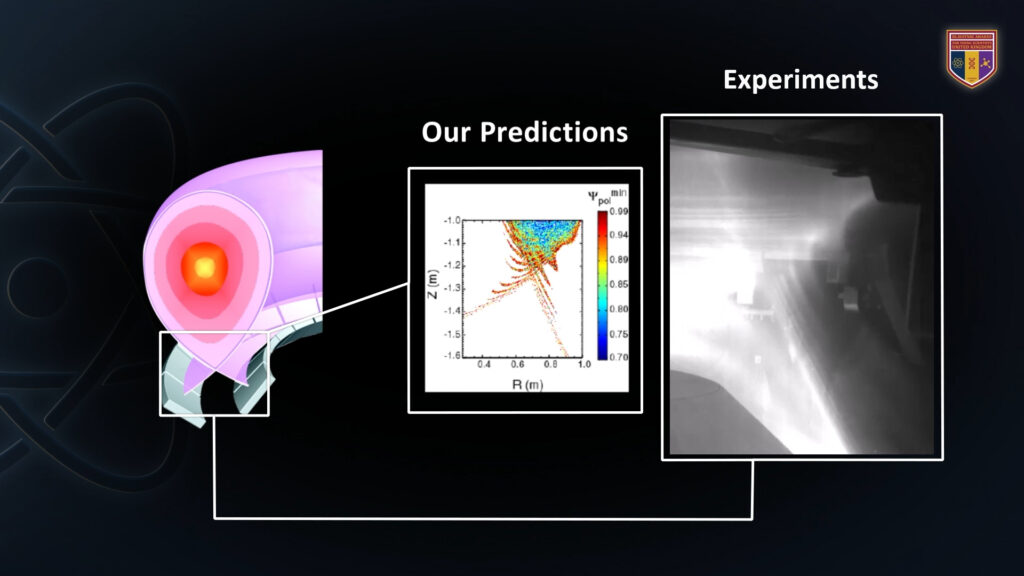
Within fusion reactors called tokamaks, this superhot fuel is trapped between arrays of powerful magnets that “levitate” the jet as it spins around a central magnetic core, preventing the fuel from melting reactor walls. Yet this is an imperfect process, explained Chapman, and due to fuel instabilities, eruptions akin to “throwing a hand grenade into the bottom of the machine” happen as often as once per second. Chapman devised a method based on his numerical calculations for preventing these eruptions using additional magnet arrays that induce three-dimensional perturbations, or “lobes” at the edge of the plasma stream. Just as a propped-open lid on a pot of boiling water allows steam to escape, these lobes provide a path to release excess pressure.
An array of magnets near the plasma edge creates perturbations in the fuel stream, allowing pressure to escape safely.
Chapman’s technique has been incorporated into the “the biggest scientific experiment ever undertaken by humankind”—a massive tokamak called ITER, roughly the size of a football stadium and equipped with a central magnet strong enough to lift an aircraft carrier. Scheduled to begin producing power in 2025, ITER aims to demonstrate the commercial viability of nuclear fusion. “We can put 50 megawatts of power into the machine, and it produces 500 megawatts of power out,” said Chapman. “That’s enough to power a medium-sized city for a day.”
Even before ITER’s completion, Chapman and others are setting their sights on designing less expensive fusion devices. Late last year, the UK committed to building a compact tokamak that offers the benefits of fusion with a smaller footprint, and Chapman is the leader of this project.
The Nature of Gravity
Claudia de Rham, the 2020 Blavatnik Awards UK Laureate in Physical Sciences and Engineering, concluded the day’s research presentations with an exploration of nothing less than “the biggest mystery in physics today.” For decades, cosmologists and physicists have grappled with discrepancies between observations about the universe—for example, its accelerated expansion— and Einstein’s general theory of relativity, which dictates that gravity should gradually slow that expansion. “The universe is behaving in unexpected ways,” said de Rham, whose efforts to resolve this question stand to profoundly impact all areas of physics.
Understanding the fundamental nature of gravity is key to understanding the origin and evolution of the universe. As de Rham explained, gravity can be detected in the form of gravitational waves, which are produced when two black holes or neutron stars rotate around each other, perturbing the fabric of spacetime and sending rippling waves outward like a stone tossed into a pond. But gravity can also be represented as a fundamental particle, the graviton, similar to the way light can be considered as a particle, the photon, or an electromagnetic wave. Unlike the other fundamental particles such as the photon, the electron, the neutrino, or even the famously elusive Higgs boson, the graviton has never been observed. In theory, the graviton would, like all fundamental particles, exist even in a perfect vacuum, a phenomenon known as vacuum quantum fluctuation. Unknown in Einstein’s day, vacuum quantum fluctuations, when factored into the general theory of relativity, do predict an accelerated expansion of the universe. “That’s the good news,” said de Rham. “The bad news is that the predicted rate of expansion is too fast by at least 28 orders of magnitude.”
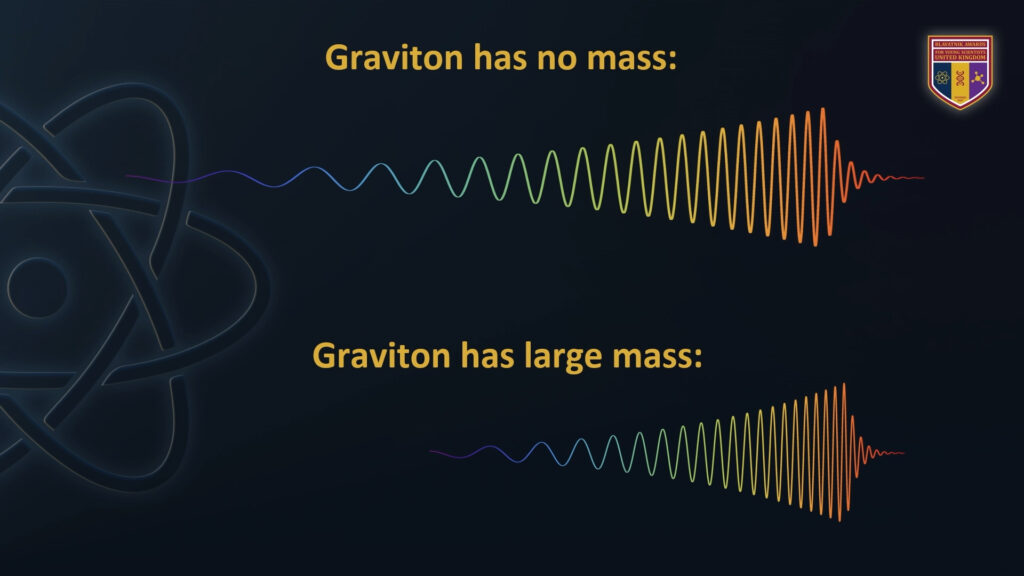
This raises the possibility that “general relativity may not be the correct description of gravity on large cosmological scales,” said de Rham. If the graviton had mass, however, it would impact the behavior of gravity on the largest scales and could explain the observed rate of expansion.
Signal patterns from gravitational wave events can serve as models for estimating the mass of the graviton. By comparing the expected signals produced by either a massless particle or a high-mass particle with actual signal patterns from detected events, physicists can place an upper and lower boundary on the graviton’s potential mass.
The idea of a massive graviton has been considered—and refuted—by physicists as far back as the 1930s. Several years ago, de Rham, along with collaborators Andrew Tolley and Gregory Gabadadze, “realized a loophole that had evaded the whole community.” Together, they derived the first theory of massive gravity. “Through gravity, we can now connect small vacuum fluctuations with the acceleration of the universe, linking the infinitely small with the infinitely large,” de Rham said.
Determining the mass of the graviton requires the most precise scale imaginable, and de Rham believes that gravitational wave observatories are perfectly suited to the task. Whether her theory will hold up in future tests remains to be seen, but when it comes to solving this epic mystery, “the possibility is now open.”
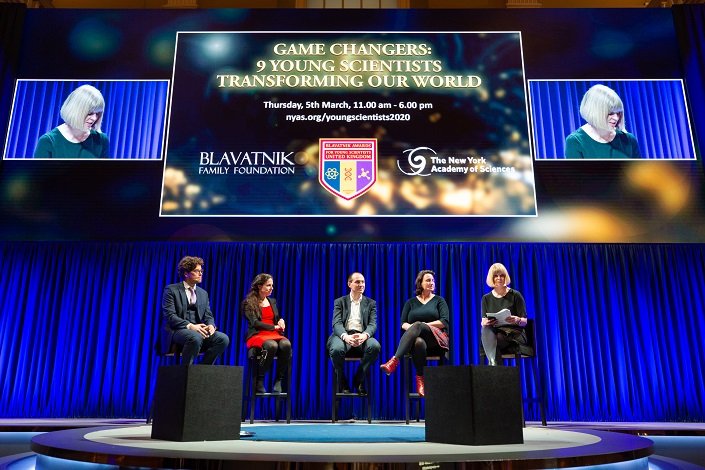
Several Laureates and Finalists of the 2020 Blavatnik Awards in the UK joined BBC science reporter Victoria Gill for the final session of the day, a wide-ranging panel discussion that touched on issues both current and future-looking.
Two themes—fear and opportunity— emerged as powerful forces shaping science and society, especially as it relates to climate change and the threat of emerging infectious disease. Gill noted that climate change is “the biggest challenge ever to face humanity,” and that many efforts to raise awareness of its impacts focus on bleak projections for the future. Asked for insights on shifting the tone of climate change communications, Kirsty Penkman acknowledged that “there needs to be a certain level of fear to get people’s attention.” She then advocated for a solutions-oriented plan rooted in the fast pace of scientific progress in clean energy, among other areas. “This is an amazing opportunity,” she said. “Humans are ingenious….in the last 120 years we’ve moved from a horse-drawn economy to a carbon-based economy, and in 5 or 20 years we could be in a fusion-based economy. We have the potential to open up a whole new world.” Eleanor Stride suggested combatting complacency by emphasizing the power of small changes in mitigating the impact of climate change. “One billion people making a tiny change has a huge impact,” she said.
The specter of a coronavirus pandemic had not yet become a reality at the time of the symposium. But Edze Westra presciently detailed the challenges of containing a highly contagious emerging pathogen in a “tightly connected world.” He commented that detecting and containing emerging diseases hinges on the development of new diagnostics, and that preventing future outbreaks will require cultural shifts to limit high-risk interactions with wildlife. For zoonotic diseases such as the novel coronavirus, “it’s all about opportunity,” Westra said.
Panelists also looked to the future of science, touching on issues of equality, discrimination, and diversity, and emphasizing the importance of raising the bar for science education. Stride noted that children are natural scientists, gravitating toward problem-solving and puzzles regardless of nationality or gender. “But something happens later,” she said, lamenting the drop in interest in science as children progress in school. “One of the things that gets lost is that creativity, which is what science really is—we’re coming up with a guess and trying to gather evidence for it—we’re not just learning a huge number of facts and regurgitating them,” she said.
In the wake of Brexit, panelists expressed concern about potential difficulties in attracting international students to their labs. “Diversity is so important,” said Penkman. “Getting ideas from all around the world from people with different backgrounds is essential to making science in the UK—and the world—the best it can be.” In her closing comments, Penkman said that ultimately, the trajectory of science comes down to the people in the field. “My eternal optimism is in the people I work with and the people I talk to when I visit schools—it’s that innate interest and curiosity. Whenever I see it, I feel that is the future of science,” she said.
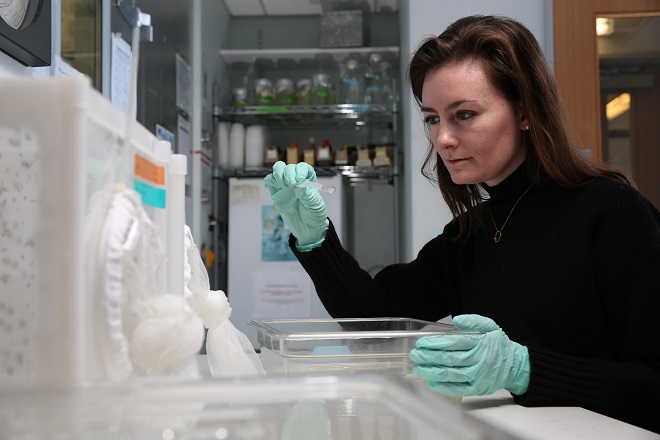
When 2019 Blavatnik Regional Award Winner, Laura Duvall, PhD, started her postdoctoral research at The Rockefeller University under the mentorship of Leslie Vosshall, PhD, – herself a Blavatnik Award Winner – Duvall was not expecting to study mosquitoes.
Published June 26, 2020
By Ben Ragen, PhD
Laura Duvall, PhD. Credit: The Rockefeller University
In graduate school she had studied circadian rhythms in the fruit fly. However, Vosshall had just started a new chapter in her research program, which focused on mosquito behavior. This research topic posed a great challenge to Duvall as both the model organism, the mosquito, and the behavior, blood feeding, were completely new to her. However, Blavatnik Scholars do not shy away from a challenge.
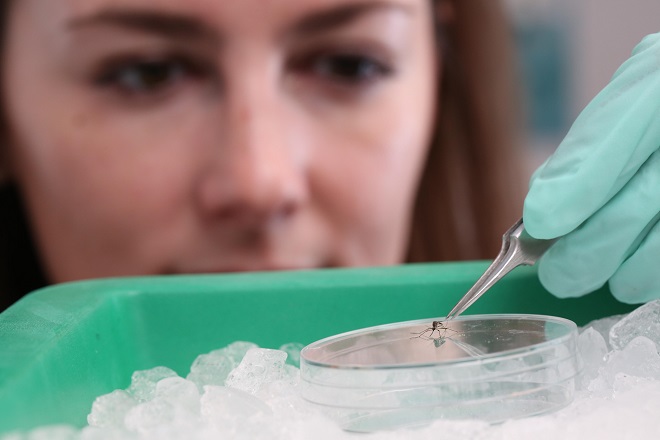
Upon joining the lab, Duvall sought to understand the neurological circuits that drive mosquito blood feeding and breeding behavior. The goal? If we can intervene in ways that mosquitoes feed on humans, or the ways that mosquito populations grow, we can design new ways to control mosquito populations, and stop the spread of mosquito-borne diseases such as Zika and dengue.
As it happens, these questions are highly intertwined. Only female mosquitos consume “blood meals” (i.e. bite and consume blood from humans or other animals); these blood meals provide the nourishment they need to mature and lay their eggs. After a single blood meal a female will not bite for several days. Duvall wanted to understand the neural system that signals to females to not feed again.
Behavioral, Molecular, Genetic, and Pharmacological Techniques
Laura Duvall, PhD. Credit: The Rockefeller University
Through the use of behavioral, molecular, genetic, and pharmacological techniques, Duvall identified a molecule called NPY-like receptor 7 (NPYLR7) that is activated when a female consumes a blood meal. Activation of this receptor sends a signal that effectively blocks the mosquito’s attraction to find and bite humans. Duvall’s identification and administration of drugs that activate NPYLR7 prevented mosquitoes from consuming blood meals even if they had not previously fed.
Similarly, Duvall also identified the molecular mechanisms that male mosquitoes use during mating to manipulate female breeding behavior. Mosquitos are predominantly monandrous, meaning that females will only mate once with a single male. Duvall discovered that males transmit the molecule, Head peptide I (HP-I), to females during mating. This peptide and its associated receptor that is found in the female results in females refusing to mate with another male. With the use of CRISPR, Duvall created male mosquitoes that fail to produced HP-I. Although these males were able to successfully mate, they failed to ensure paternity since the female would mate with other males.
Understanding the Molecular Mechanisms
Now an Assistant Professor at Columbia University, Duvall is continuing her research on the neurobiology of mosquito behavior, looking for ways to control the world-wide mosquito population and prevent disease spread. To this end, she now plans to test her findings in a new species of mosquito, Ae. Albopictus, which can also carry Zika and dengue but can survive in cooler environments. This mosquito species is prevalent throughout the United States. Duvall wants to understand whether NPYLR7 regulates blood feeding in other mosquito species, especially since there are so many mosquito species that live in different regions. If Duvall finds that activating NPYLR7 in multiple mosquito species prevents blood feeding the impact of her research could ripple throughout the world.
Understanding these molecular mechanisms behind mosquito feeding and breeding offer multiple potential interventions to reduce mosquito populations and stop the spread of disease. Duvall’s search for understanding the neurobiological basis of mosquito feeding and breeding behavior is far from over. Recently, the Beckman Foundation announced Duvall as one of their 2020 Beckman Young Investigators, providing research funding to kick-start her new lab.
So, as you light citronella-scented candles and cover yourself with bug spray this summer, remember that you are not alone in your battle against mosquitoes. Laura Duvall is fighting tirelessly by your side, and a world without mosquito-borne diseases could be a reality.
To learn more about the Blavatnik Awards for Young Scientists, visit blavatnikawards.org.
World Oceans Day was established to recognize worldwide stewardship of the oceans and implementation of sustainability goals.
Published June 8, 2020
By Brittany Aguilar, PhD
Derya Akkaynak, PhD
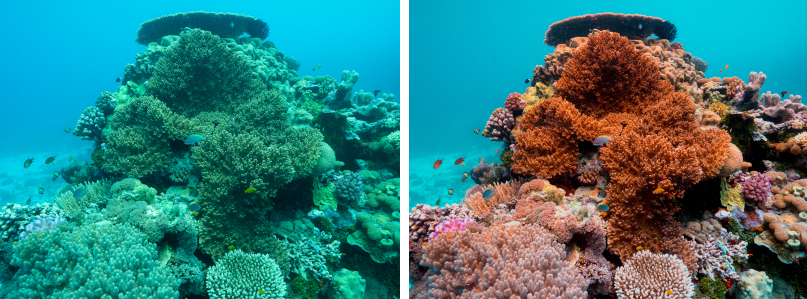
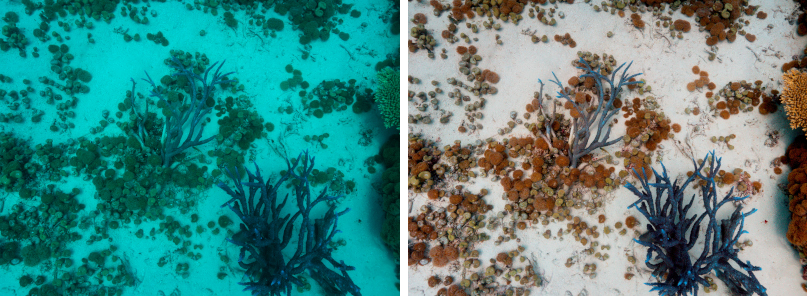
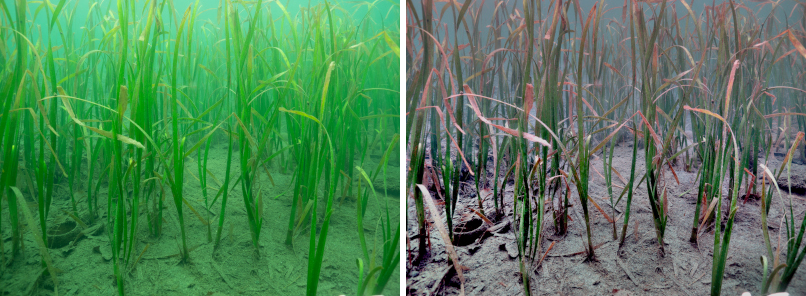
In honor of this day, we recently interviewed Derya Akkaynak, PhD, researcher at the Harbor Branch Oceanographic Institute and 2019 Blavatnik Awards Regional Finalist, about her research advances in computer vision and underwater imaging. Her work has culminated in a technology called Sea-thru, a software that reconstructs lost colors and contrast in underwater imagery. Here, she discusses the development of this technology, ways that COVID-19 has impacted marine life, and her hopes for the future of all oceans.
This interview has been condensed and edited for clarity.
Can you describe how the Sea-thru method works?
Sea-thru is an algorithm that uses light picked up by the sensor of a camera to form a true-color image. What’s so new about this? The majority of existing algorithms actually use an equation for how light moves in the atmosphere rather than in the ocean. In the water, the particles light interacts with are bigger than the wavelength of light, so they cause intensified light scattering. We derived an equation to specifically represent how light moves in the water to form an image, and the Sea-thru algorithm works because it uses this new equation.
Why did you develop Sea-thru, and who will be using it?
Before on left, after on right. Photo by Derya Akkaynak.
We developed Sea-thru with a marine science angle in mind. The program will help marine scientists standardize the light in their photos so they can use automated methods to extract information about animals in the ocean more efficiently. Seeing the true colors of underwater life consistently can help ecologists monitor the health of our oceans, improve efforts of ocean exploration, and even help non-scientists and those who do not dive develop a better appreciation of the beauty of our oceans
Is your research expanding beyond underwater imaging?
I’m also very interested in biological vision under water, just not using cameras, but also how animals see underwater. For example, we’re learning about how turtles see under water. One of the things that this project will examine is the usage of turtle-friendly lights at beaches where turtles come to nest. We’ve found that there really are no turtle-friendly lights, spectrally, because turtles can see colors just as well as we can, if not better. The key is not necessarily yellow or orange or red lights, but to have lights as dim as possible.
How has the COVID-19 pandemic affected the world’s oceans?
Before on left, after on right. Photo by Derya Akkaynak.
Because of reductions in fishing and shipping, some fish stocks will go through an entire cycle of spawning during this lockdown, which means their numbers are going to significantly increase and those particular species may actually recover their stocks for a while.
Another interesting observation is that it appears that through the end of this year, we will have the largest reduction in carbon emissions that we’ve ever had. Experts are saying that to slow down global warming, a drop in emissions needs to be about 7% percent per year, every year for the next 10 years. So imagine, we globally stopped everything, and still that has only gotten us to about an estimated 5.5% reduction in carbon emissions for 2020.
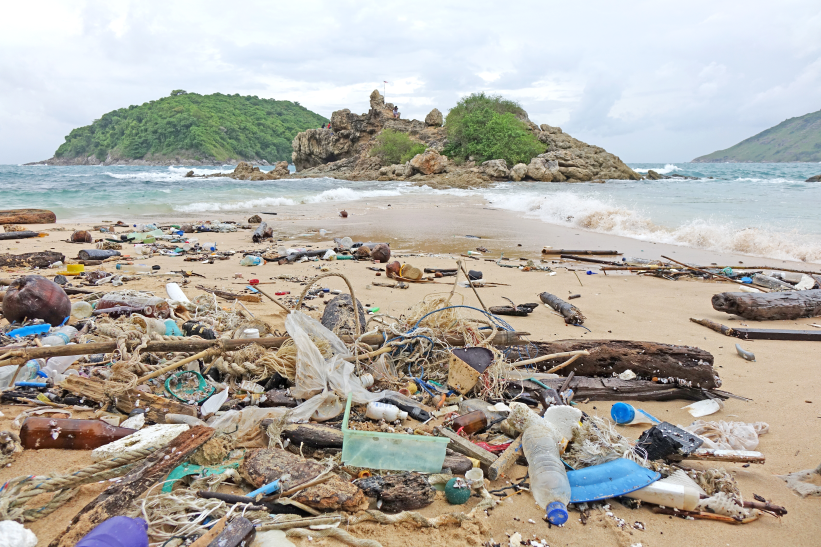
What that says to me is that we all have to change our lifestyles once the pandemic is over. A good start would be for all of us to avoid using single-use plastics in every possible way—be that carrying our own silverware or not buying bottled water—because this can trigger a response at the production level.
Do you have any hopes or dreams that you want for the oceans to happen in your lifetime?
Before on left, after on right. Photo by Derya Akkaynak.
Yes. Scientists looked at past conservation successes and calculated that, if we take action now—regulating fishing, protecting critical underwater habitats and migration routes of animals, taking measures to reduce pollution—then we can restore a lot of the beauty and bounty of our oceans by 2050. So, what I want to see is a lot more protection now, in my lifetime, and for nations to come together and see the oceans not as this endless resource that we can exploit for ever for the benefit of humans, but instead as something that sustains our life. Something that we must protect from every possible angle.
To learn more about the Blavatnik Awards for Young Scientists, visit blavatnikawards.org.
We recently interviewed Geoffrey Coates, PhD, the Tisch University Professor of Chemistry and Chemical Biology at Cornell University, about the problems that plastics present. His research interests lie at the intersection of organic, inorganic, and polymer chemistry. Professor Coates was recognized twice as a Blavatnik Regional Awards Faculty Finalist, in 2007 and 2008.
This interview has been condensed and edited for clarity.
Plastic waste is a global issue that must be addressed. In your opinion, what is the best way to solve this problem? What are some of the obstacles that stand in the way of making this a reality?
Last summer, I was a co-chair on a panel with the Department of Energy, and out of that came a report about not just how to recycle polymers, but also some of the obstacles that must be overcome to solve this problem. In the United States, most towns have curb-side recycling collection, but the problem with that is that you have residual food mixed in, plastic labels on bottles, and many different kinds of plastic mixed together, like polyolefin caps on Coke bottles or polyethylene bottles with polypropylene caps. You can’t just take all these plastics and melt them down and make something new out of it.
Since different plastics are made of different polymers, if you do that you will get polymers with really awful properties. For example, you could make a milk jug made from mixed recycled plastic, but the handle would rip off when you tried to pick it up at the store. Unfortunately, in the United States, we are recycling less plastic than we were five years ago. So what we really need to figure out is not how to recycle plastics, but how to upcycle plastics—convert this waste material into products with greater value.
In honor of Earth Day, could you discuss some of your efforts to create greener chemical transformations and sustainable polymers?
In your recycle bin, the majority of the plastic is polyethylene and polypropylene, but as I said earlier, if you melt these down and try to create a new material from the different containers, you would end up with something that is less desirable because the two polymers never really mix together to form a homogeneous product.
One of our most successful projects involved the creation of a block copolymer that contains both polyethylene and polypropylene in a single molecule. In order to create this molecule, we discovered a catalyst that allowed us to change the nature of the polymer midstream, and so now we can engineer our polymer to contain different ratios of these building blocks.
The advantage to using a single polymer that contains both polyethylene and polypropylene is that you can throw it in with a mixture of polyethylene and polypropylene containers, and since it has blocks of each, you can melt it down and it “stitches” these materials together. So instead of the resulting material being really crumbly, this basically glues microscopic domains of the polymers together, and in the end, you actually get something that is really impact-resistant like polyethylene and simultaneously rigid like polypropylene. This is one of our contributions to the idea of upcycling, and it has very recently spawned a startup called Intermix Performance Materials, and we’re really excited about the prospects of what this company can produce.
How important is it to encourage chemists in both academia and industry to pursue sustainable chemistry?
Dr. Coates in his lab with students.
It is always important to think about how our work can be sustainable and contribute to a sustainable plastics economy, but in order for that to happen, we need to understand the basics of how to make things. If we’re going to design a plastic food container that might unfortunately one day find its way into the ocean, we need to understand organic photochemistry and thermodynamics and kinetics and biochemistry to see how the breakdown of this material might affect seawater and ocean life for the next 50 to 100 years. So in order to solve these types of problems, we really need to understand the basics of multiple disciplines.
I like to think of the work we do as “use-inspired basic research” in that we are discovering new ways to make materials that could have useful applications, but we are using very basic, fundamental scientific principles throughout entire the process. We think we can make the world a better place by creating new and exciting polymers.
What is up next for the Coates lab? Are there projects that you are particularly excited to see gain traction?
We’ve started getting into sustainable energy materials that could potentially help with energy storage and conversion. We’re trying to figure out whether you can replace some of the traditional materials that go into batteries or fuel cells with polymers. One of the problems with lithium ion batteries is that they often contain flammable solvents, so if a battery ruptures or experiences internal thermal runaway—an event caused by a defect that leads to overheating—this solvent can be a real negative.
Polymers can replace these solvents, but they generally have poor conductivity. We’ve developed a new family of polymers that have high conductivity at room temperature, and that also suppress the formation of harmful lithium dendrites—finger-like structures that can grow inside batteries, eventually causing the battery to short circuit. Dendrite formation has become a real problem, especially in rechargeable batteries, so suppression of dendrites can be a real advantage. Overall, we’re very excited about the possibilities that novel polymer materials can bring to this space.
To learn more about the Blavatnik Awards for Young Scientists, visit blavatnikawards.org.
“These awards are not just for the brilliant work they have already done, but also for fostering and championing world-changing work that we believe is yet to be done.”
Published March 18, 2020
By Kamala Murthy
The Blavatnik Family Foundation hosted its third annual awards ceremony and gala dinner. The event celebrated the honorees of the 2020 Blavatnik Awards for Young Scientists in the United Kingdom.
Administered by The New York Academy of Sciences, the ceremony was held on March 4, 2020 at the spectacular Banqueting House of Whitehall, London. Built in 1622 by King James IV, Banqueting House is a historic venue that is the only surviving remnant of the Palace of Whitehall and has been used for royal events for centuries.
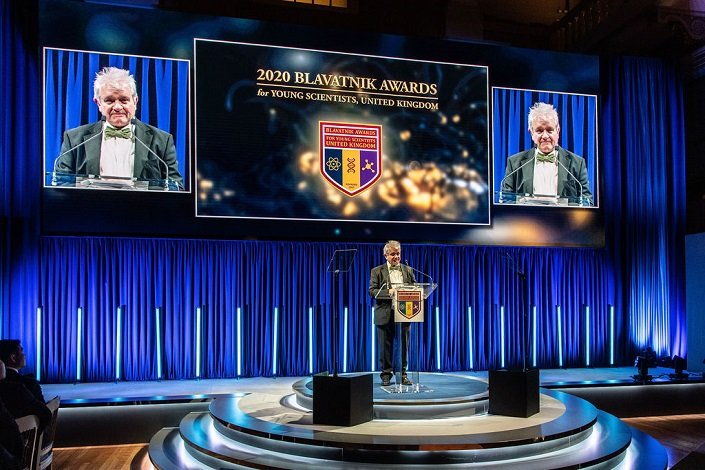
This black-tie affair was hosted by 2001 Nobel Laureate Sir Paul Nurse, Chief Executive and Director of the Francis Crick Institute. In addition to many prominent scientists and leaders in business and academia, distinguished guests attending the ceremony included:
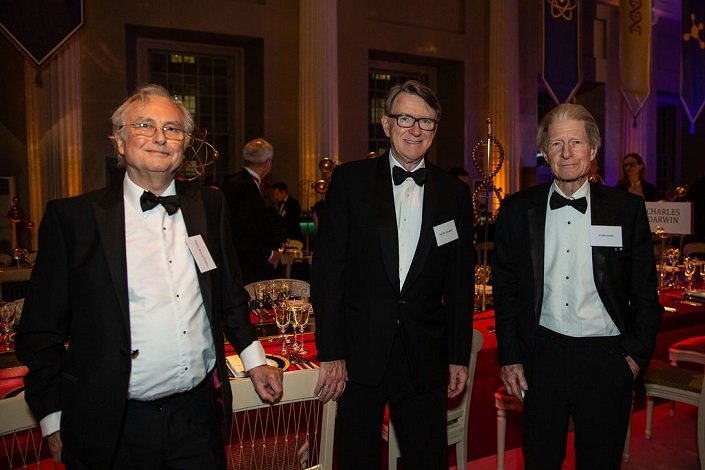
British Labor party politician and Member of Parliament, Lord Peter Mandelson;
2012 Nobel Laureate and developmental biologist, Sir John Gurdon;
2019 Nobel Laureate and Astronomer Prof. Didier Queloz;
Film and TV producer, Mr. Gregor Cameron;
Singer, songwriter, record producer, and former president of Epic Records, Ms. Amanda Ghost;
Ethologist, evolutionary biologist, and renowned author, Prof. Richard Dawkins;
Sir Tim Berners-Lee, the engineer and computer scientist best known as the inventor of the World Wide Web, and his wife, Lady Rosemary Berners-Lee, who is a founding member of the World Wide Web Foundation; and
Ms. Tilly Blythe, Head of Collections and Principal Curator of the Science Museum London.
During his introductory remarks, Sir Paul commented, “What makes these awards so exciting to me is that we are not just honoring an exceptional group of young scientists, we are also putting our faith and belief in their futures. These awards are not just for the brilliant work they have already done, but also for fostering and championing world-changing work that we believe is yet to be done.” Speaking to the cohort of Blavatnik Awards programs across the US, UK, and Israel he added, “We do like to think of this year’s Finalists and Laureates as the newest members of the global Blavatnik Awards family, with a connection unimpeded by geography and related to each other by shared scientific excellence.”
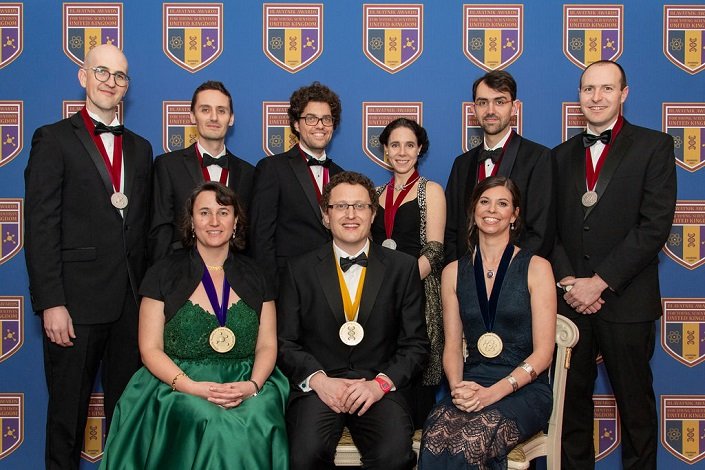
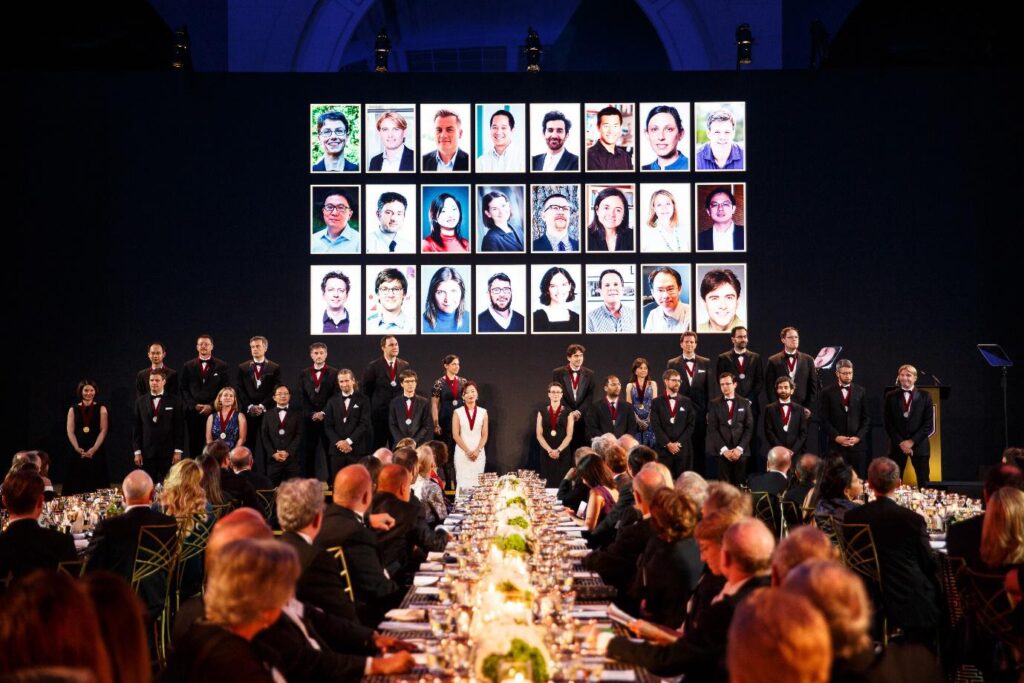
In each scientific category—Chemistry, Physical Sciences & Engineering, and Life Sciences—two Finalists were each awarded prizes of US$30,000, and one Laureate in each category was awarded US$100,000. Sir Paul presented medals to the three Laureates and six Finalists at the ceremony.
Physical Sciences & Engineering
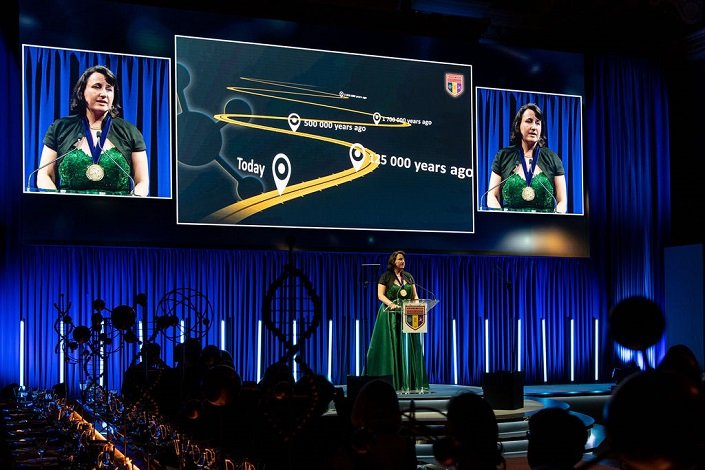
In the Physical Sciences & Engineering category, CEO of the UK Atomic Energy Authority Prof. Ian Chapman , and astronomer Dr. Amaury Triaud from the University of Birmingham were honored as 2020 Blavatnik Awards in the UK Finalists. Prof. Anne-Christine Davis from the University of Cambridge introduced the 2020 Blavatnik Awards in the UK Laureate in Physical Sciences & Engineering, Prof. Claudia de Rham from Imperial College London.
Prof. Davis described de Rham as a “vibrant, passionate, and adventurous person.” She said, “I remember being completely amazed on reading the draft of her first paper for her doctorate. As I’ve watched her over the years, producing wonderful papers on aspects of gravity and cosmology, developing both as a theoretical physicist and as a person, my sense of amazement has only increased.” As Prof. Davis described, Prof. de Rham was honored for developing a, “rigorous and viable theory of massive gravity—a theory of physics that modifies Einstein’s theory of general relativity to explain the nature of gravity.”
Chemistry
Prof. Matthew Fuchter of Imperial College London and Prof. Stephen Goldup of the University of Southampton were honored as 2020 Blavatnik Awards in the UK Chemistry Finalists. Dr. Richard Preece, University Reader and Curator of Malacology at the University of Cambridge Museum of Zoology, introduced the 2020 Blavatnik Awards in the UK Laureate in Chemistry, Dr. Kirsty Penkman .
Dr. Penkman, an analytical chemist from the University of York, has revitalized a previously dismissed fossil dating technique called amino acid racemization. “Kirsty’s work has enabled substantial increases in analytical precision and far more reliable dating, covering the whole of the Ice Age far beyond the limits of radiocarbon dating.” Dr. Preece added, “By opening up this time window she is helping other scientists to better understand the chronology of human evolution and climate change.”
Life Sciences
In the Life Sciences category, biomedical engineer Prof. Eleanor Stride from the University of Oxford and Prof. Edze Rients Westra from the University of Exeter were honored as Finalists. 2020 Blavatnik Awards in the UK Laureate in Life Sciences, computational neuroscientist Prof. Timothy Behrens from the University of Oxford and University College London was jointly introduced by his friends and colleagues, neuroscientists Prof. Heidi Johansen-Berg and Prof. Matthew Rushworth, both from the University of Oxford.
Prof. Johansen-Berg began her introduction by explaining that, “Tim began his research by showing how ideas derived from statistics could be applied in novel and exciting ways to study the brain and behavior.” Prof. Rushworth added, “He has applied these ideas to understanding how we learn which choices to take, how we learn about each other in a social context, and how information is represented by the human brain—not just physical space, but abstract ideas, too.”
The following day at Banqueting House, the Blavatnik Family Foundation and the New York Academy of Sciences held its second annual public symposium entitled ” Game Changers: 9 Young Scientists Transforming Our World .” The symposium was hosted by BBC Science Correspondent Victoria Gill. With the goal of bringing the scientists and their discoveries directly to the public, all nine Blavatnik honorees presented their research in a public lecture format to an audience of approximately 200 attendees. Ms. Gill wrapped up the day of scientific lectures by leading a panel discussion reflecting current social and political issues affecting science in the UK The symposium ended with a wine and cheese reception enabling guests to network and converse directly with the honorees.
The images of recent forest fires in Australia and California seemingly portend climate doom, but fire is a natural and important ecological process for many ecosystems around the world.
Published March 13, 2020
By Ben Ragen, PhD
Dr. Bill Andregg in the field.
It plays a crucial role for many plant species, helping plants to regenerate and re-sprout, as well as to induce nutrient and carbon cycling. However, those pictures aren’t that far off—climate change is indeed increasing and supercharging wildfires throughout the world, turning this natural process from rejuvenating to ruinous.
We recently interviewed Dr. Bill Anderegg, Assistant Professor at The University of Utah and 2016 Blavatnik Regional Awards for Young Scientists Winner. Dr. Anderegg’s research is on tree physiology—the study of how trees function to grow and survive—and how climate change is impacting tree physiology and the frequency and nature of wildfires. This interview has been condensed and edited for clarity.
A lot of your research is at the intersection of climate change and tree physiology. Can you give some background on the effects of climate change on tree physiology and how those effects influence these very large new forest fires?
On the one hand, rising carbon dioxide (CO2) concentrations generally help tree physiology. Plants pick up more carbon and in some cases grow more, but on the other hand, there are stresses that come with climate change—particularly rising temperatures and droughts—as well as an increase in pests and pathogens which can really harm tree physiology.
Our research is trying to understand this fundamental tug of war between the benefits of CO2 and the negative stresses of climate change: which of these different forces are going to win out, and what does this mean for the future of Earth’s forests? In some of our global models of forests right now, there are some scenarios in which the benefits win out and you generally see a greener set of ecosystems by the end of the century. In other situations, the damage of temperature and droughts and pests and fires win out and you see large scale loss of forests and a much browner world by the end of this century.
With the recent fires in Australia and California, how exactly is climate change fueling their severity and size?
For forest fires there is this triangle whereby fire behavior after an ignition is influenced by fuel, fire weather, and topography. Climate change in particular strongly affects the first two legs of that triangle. Warming temperatures and dry conditions really dry down fuels and make these ecosystems ready to burn massively. That’s absolutely what you saw in Australia and California.
The other major contributing impact is on fire weather. Hotter and drier temperatures, less humidity in the air, and higher winds are what tend to make these fires go “mega.” Over the past 30 years, fire seasons have lengthened by about one to two months in the Western US. So, we’re now getting fires burning in November when that was not previously the case.
As you said, wildfires are really important, but when it comes to these intense forest fires what are the short-term and long-term effects?
Climate change can change the fire behavior. Our usual national fire regimes had very frequent fires, but at very low intensity, which usually means the fires would come through and burn the grass and the shrubs underneath mature forests but not actually kill the tall, mature trees. These fairly low intensity fires that clean out some of the grasses and the understory are beneficial in the short-term and long-term.
What we’re unfortunately seeing in California and Australia, and really across the Western US, is that with drier fuels and more intense fire conditions we tend to get what we call “canopy fires”, which means that the fire is burning everything in the forest, including the mature trees. Unfortunately, the short- and long-term effects are both quite negative. It takes forests a long time to recover, regrow, and reestablish species. In the meantime, you also lose a lot of the carbon stored on the landscape and find an increased risk of soil erosion.
Is there any way to mitigate the intensity or the repercussions of these large forest fires?
Forest experiencing drought. Credit William R. L. Anderegg, PhD.
Slowing down the speed of climate change is one of the best ways to prevent these mega-fires. There are also local and regional steps that we can take. You can be proactive in your forest management. By reducing the fuels and controlling ignition sources you really decrease the risk that a mega-fire breaks out.
A lot of these proactive measures of fire management and fire mitigation are often incredibly cost-effective. The U.S. Forest Service is one of the main agencies that we would like to do this, but every year their budget just disappears down the drain due to the actual fighting of fires. However, every dollar you can spend making forests more resilient and less prone to these mega-fires would absolutely save money down the road in fighting fires.
What does the future of forestry management look like in the face of climate change?
We’re now launching an effort to develop risk maps of climate’s impacts on forests. We want to come up with maps of where drought, fire, insects and pathogens might be really bad for forests. We think these maps are going to be a powerful tool for a lot of stakeholders. You might want this information when considering forest and animal conservation strategies as well as for forest carbon projects that are trying to grow forests to take carbon out of the atmosphere.
There was a recent study that estimated how much climate change is affecting wildfires in the Western US, and their conclusion was that about half of the area burned in the Western US over the past 30 years was due to climate change. So, one out of every two acres burned was due to climate change, rather than natural fire processes. This demonstrates the scope of how much climate change really matters.
To learn more about the Blavatnik Awards for Young Scientists, visit blavatnikawards.org.
Since the Awards’ inception in 2007, over US$8.4 million have been awarded to Blavatnik Awards honorees.
Published October 22, 2019
By Kamala Murthy
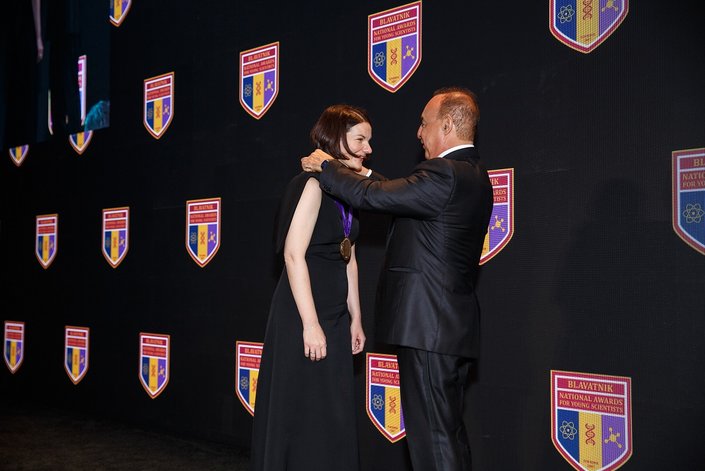
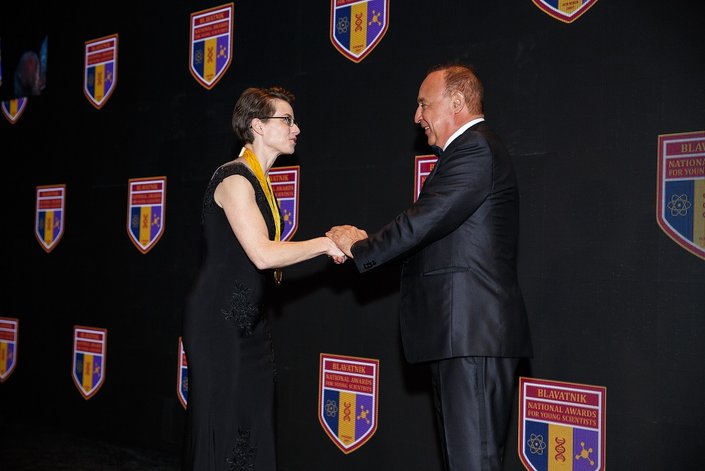
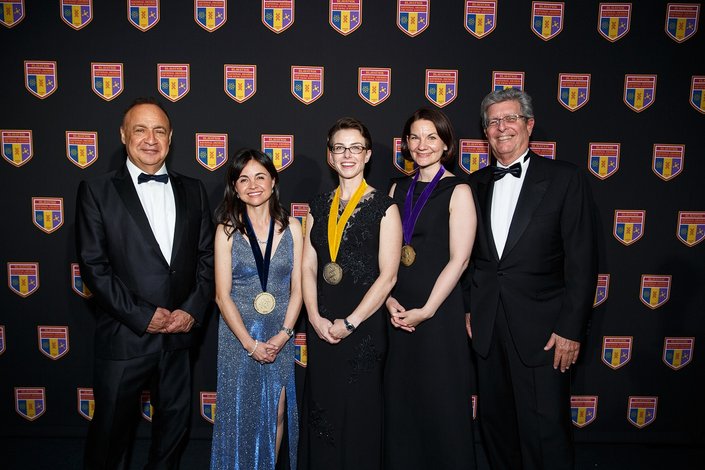
On Monday, September 23, 2019, the Blavatnik Family Foundation hosted the sixth annual Blavatnik National Awards for Young Scientists Ceremony at the American Museum of Natural History in New York City. Over 225 guests attended including some of the country’s most prominent figures in science, business, and philanthropy.
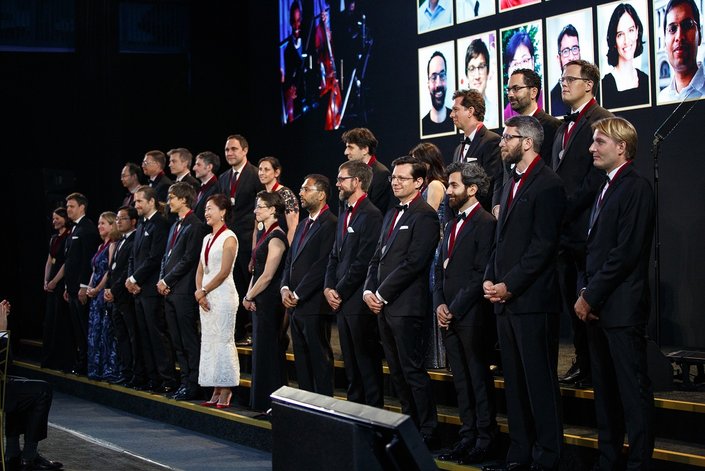
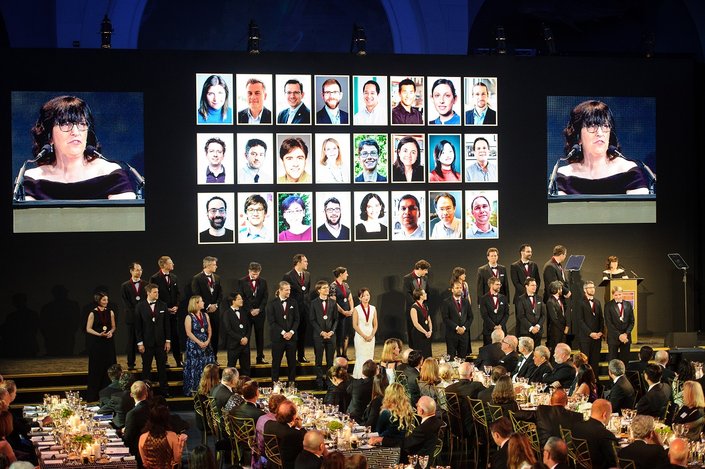
Martha E. Pollack, PhD, President of Cornell University and a computer scientist, served as the Master of Ceremonies, and the Juilliard School Orchestra performed classical music arrangements throughout the evening. The ceremony began with President Pollack naming the 31 2019 Blavatnik National Awards Finalists selected from 343 nominations submitted by 168 research institutions across 44 States. President Pollack noted that “the 31 Finalists of the 2019 Blavatnik National Awards represent one of the most diverse arrays of scientists in the history of these honors. They hail from eleven different nations…from Colombia to China, Iran to India, Singapore to Slovenia, and from all across the United States. They join what is now a global community of 284 Blavatnik Scholars, working in 35 different scientific disciplines, and representing 45 different countries. And over the years, there have been 90 women honored as Blavatnik Scholars, including nine tonight.” Since the Awards’ inception in 2007, over US$8.4 million have been awarded to Blavatnik Awards honorees.
Later in the evening, the three 2019 Blavatnik National Awards Laureates were presented with their medals by Len Blavatnik, the Founder and Chairman of Access Industries and the Blavatnik Family Foundation. Each Laureate also gave a short presentation on their research.
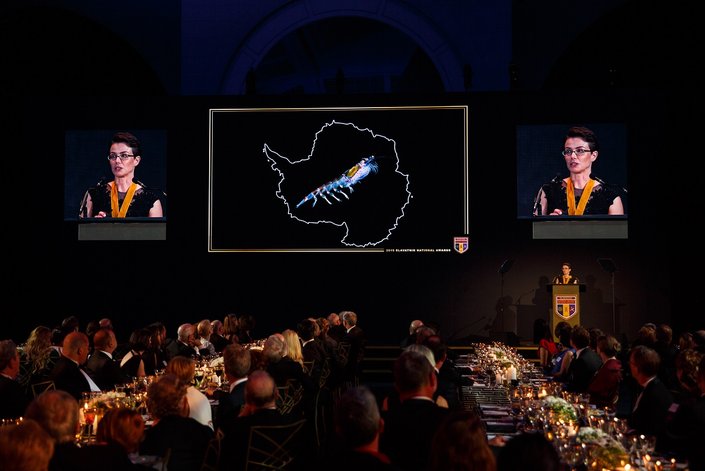
After accepting her medal, Life Sciences Laureate and quantitative ecologist, Heather J. Lynch, PhD, spoke about her research on penguin populations. Utilizing a plethora of sophisticated techniques—including cutting-edge statistics, mathematical models, satellite remote sensing, and Antarctic field biology—Lynch aims to understand the spatial and temporal patterns of penguin colonies to predict population growth, collapse, and possible extinction. Her former post-doc advisor, William Fagan, PhD, Chair of the Department of Ecology at the University of Maryland, College Park said, “Heather is simultaneously cutting-edge in three to four different areas and that package is what makes Heather stand out, even among elite scientists. Heather is going to be one of the scientific leaders of her generation.”
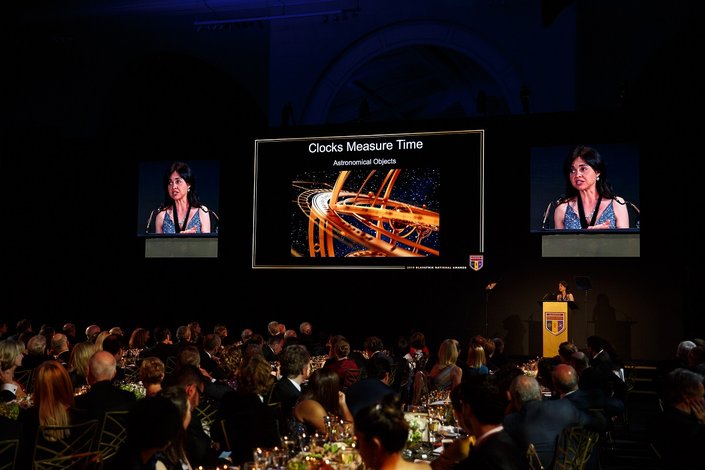
Physical Sciences & Engineering Laureate, Ana Maria Rey, PhD—a quantum physicist from the University Colorado Boulder and Fellow at JILA and the National Institute of Standards and Technology (NIST)—was next to accept her medal. The Blavatnik National Awards honored Rey for her pioneering contributions to the field of theoretical atomic, molecular, and optical physics, including her paradigm-shifting theories on atomic collisions that led directly to the development of the world’s most precise atomic clock. Her mentor and friend Jun Ye, PhD, a Professor Adjoint in Physics at the University of Colorado Boulder and a Fellow at JILA and NIST, praised Rey by stating, “Ana Maria is an amazing scientist…she is very creative and collaborative, and she is very capable of solving problems ranging from practical to very deep scientific theoretical problems.”
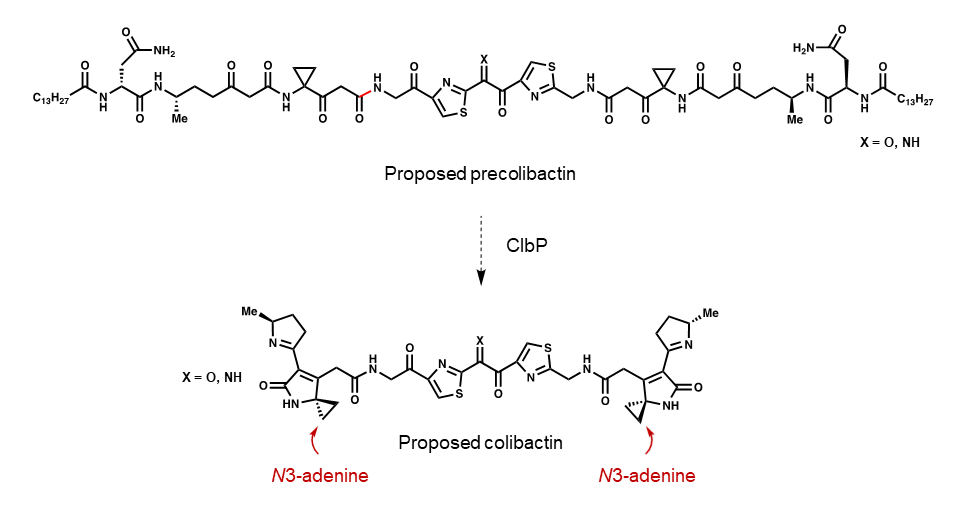
Finally, after Chemistry Laureate Emily Balskus, PhD from Harvard University accepted her medal for her transformative work in chemical biology, she spoke about the novel chemistry of the gut microbiome and her research deciphering its role in human health and disease. She highlighted a range of discoveries from her group including their work identifying a proposed structure for colibactin, a molecule produced by the gut microbiome and thought to cause colon cancer. “Emily is a pioneer. The future of human health needs Emily’s research,” commented Catherine Drennan, PhD, Balskus’s collaborator and mentor and a Professor of Biology and Chemistry at MIT and an HHMI Investigator.
Distinguished guests attending this year’s ceremony included 2017 Nobel Laureate Michael Rosbash of Brandeis University, New York University President Andrew Hamilton, Tel Aviv University President Ariel Porat, Yale University President Peter Salovey, Interim President of Stony Brook University Michael Bernstein, Cold Spring Harbor Laboratory President and CEO Bruce Stillman, President of The New York Academy of Sciences Ellis Rubinstein, President of the Israel Academy of Sciences and Humanities Nili Cohen, Paul Singer of Elliott Management, former Citigroup Chairman Sandy Weill, Charles Hale of Hale Global, Sig Heller of Perella Weinberg Partners, Avi Fischer of Clal Industries, and John Skipper, Executive Chairman of DAZN Group.
To learn more about the Blavatnik Awards for Young Scientists, visit blavatnikawards.org.
The New York Academy of Sciences and the Blavatnik Family Foundation hosted the annual Blavatnik Science Symposium on July 15–16, 2019, uniting 75 Finalists, Laureates, and Winners of the Blavatnik Awards for Young Scientists. Honorees from the UK and Israel Awards programs joined Blavatnik National and Regional Awards honorees from the U.S. for what one speaker described as “two days of the impossible.” Nearly 30 presenters delivered research updates over the course of nine themed sessions, offering a fast-paced peek into the latest developments in materials science, quantum optics, sustainable technologies, neuroscience, chemical biology, and biomedicine.
Symposium Highlights
Computer vision and machine learning have enabled novel analyses of satellite and drone images of wildlife, food crops, and the Earth itself.
Next-generation atomic clocks can be used to study interactions between particles in complex many-body systems.
Bacterial communities colonizing the intestinal tract produce bioactive molecules that interact with the human genome and may influence disease susceptibility.
New catalysts can reduce carbon emissions associated with industrial chemical production.
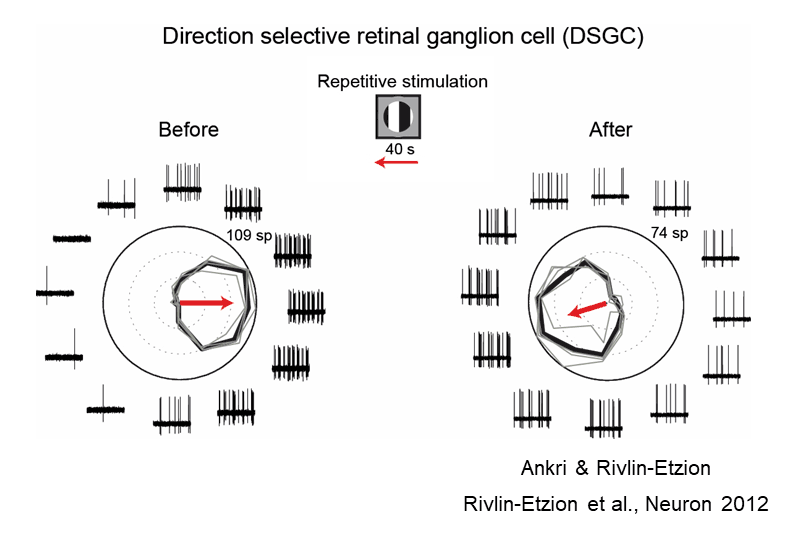
Retinal neurons display a surprising degree of plasticity, changing their coding in response to repetitive stimuli.
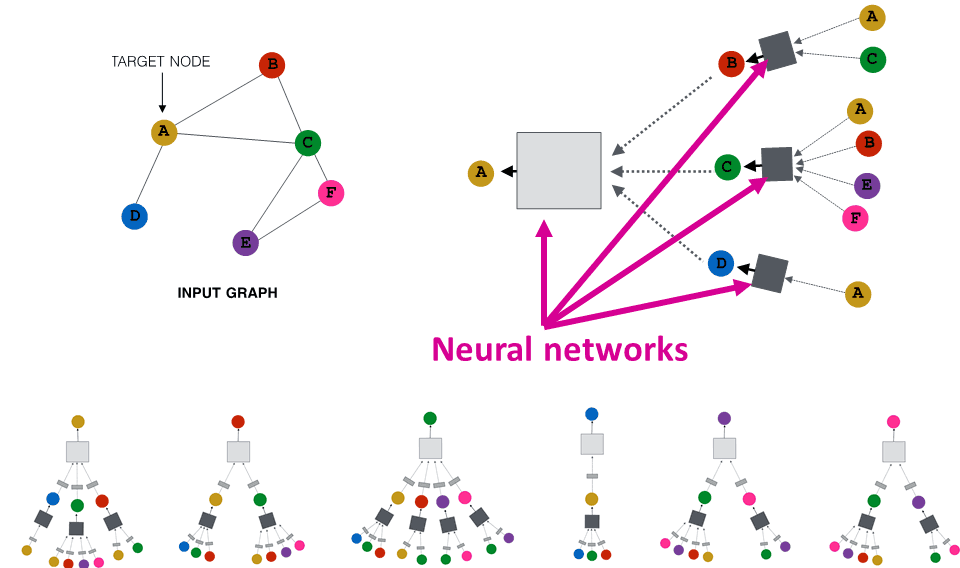
New approaches for applying machine learning to complex datasets is improving predictive algorithms in fields ranging from consumer marketing to healthcare.
Breakthroughs in materials science have resulted in materials with remarkable strength and responsiveness.
Single-cell genomic studies are revealing some of the mechanisms that drive cancer development, metastasis, and resistance to treatment.
Speakers
Emily Balskus, PhD Harvard University
Chiara Daraio, PhD Caltech
William Dichtel, PhD Northwestern University
Elza Erkip, PhD New York University
Lucia Gualtieri, PhD Stanford University
Ive Hermans, PhD University of Wisconsin – Madison
Liangbing Hu, PhD University of Maryland, College Park
Jure Leskovec, PhD Stanford University
Heather J. Lynch, PhD Stony Brook University
Wei Min, PhD Columbia University
Seth Murray, PhD Texas A & M University
Nicholas Navin, PhD, MD MD Anderson Cancer Center
Ana Maria Rey, PhD University of Colorado Boulder
Michal Rivlin, PhD Weizmann Institute of Science
Nieng Yan, PhD Princeton University
Event Sponsor
Technology for Sustainability
Speakers
Heather J. Lynch Stony Brook University
Lucia Gualtieri Stanford University
Seth Murray Texas A & M University
Highlights
Machine learning algorithms trained to analyze satellite imagery have led to the discovery of previously unknown colonies of Antarctic penguins.
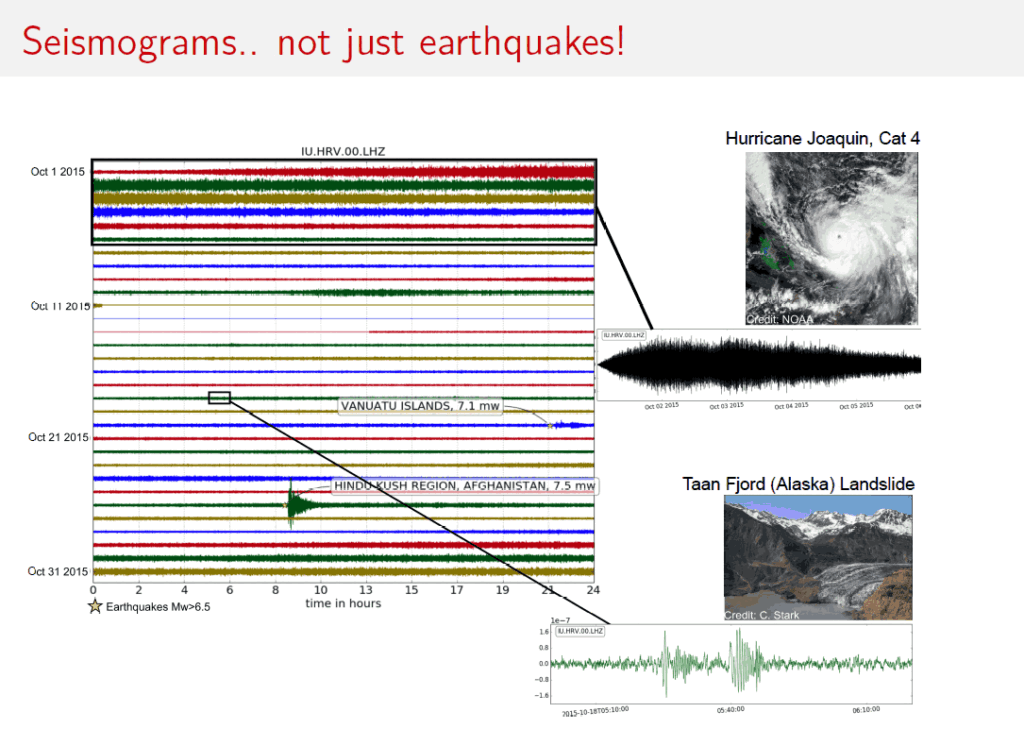
Seismographic data can be used to analyze more than just earthquakes—typhoons, hurricanes, iceberg-calving events and landslides are reflected in the seismic record.
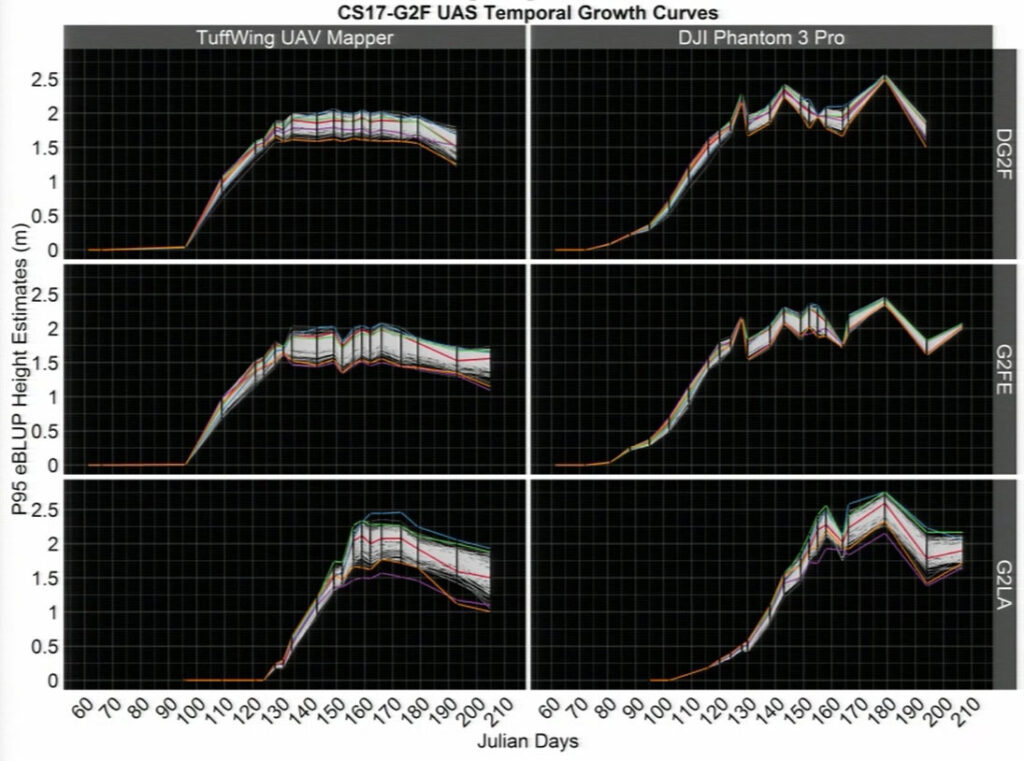
Unmanned aerial systems are a valuable tool for phenotypic analysis in plant breeding, allowing researchers to take frequent measurements of key metrics during the growing season and identify spectral signatures of crop yield.
Satellites, Drones, and New Insights into Penguin Biogeography
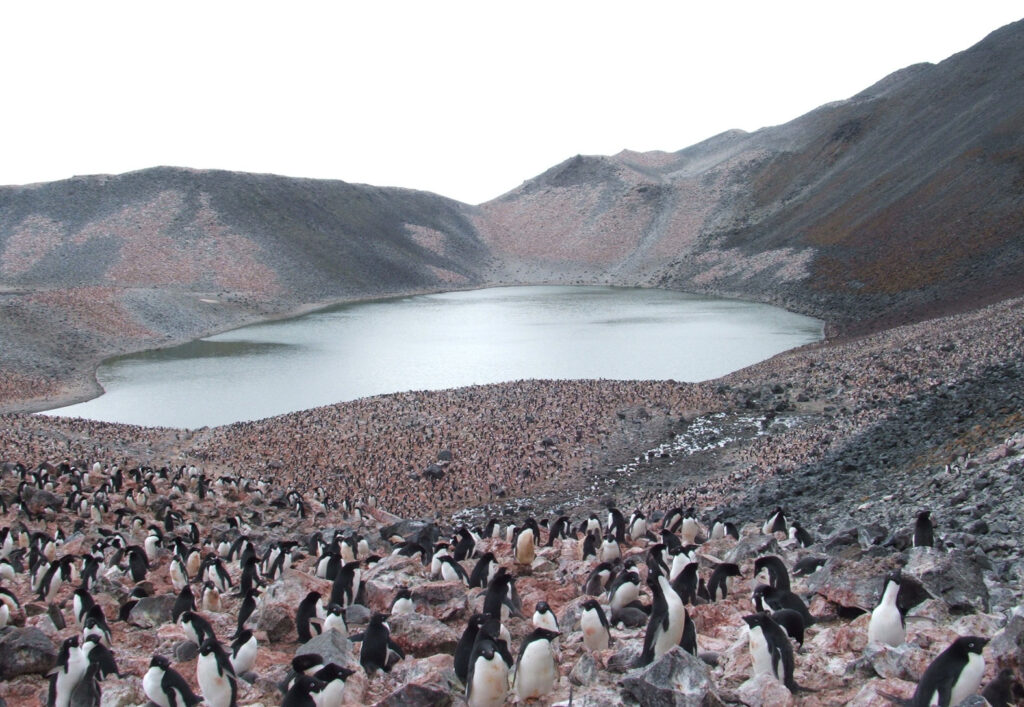
Satellite images have been used for decades to document geological changes and environmental disasters, but ecologist and 2019 Blavatnik National Awards Laureate in Life Sciences, Heather Lynch, is one of the few to probe the database in search of penguin guano. She opened the symposium with the story of how the Landsat satellite program enabled a surprise discovery of several of Earth’s largest colonies of Adélie penguins, a finding that has ushered in a new era of insight into these iconic Antarctic animals.
Steady streams of high quality spatial and temporal data regularly support environmental science. In contrast, Lynch noted that wildlife biology has advanced so slowly that many field techniques “would be familiar to Darwin.” Collecting information on animal populations, including changes in population size or migration patterns, relies on arduous and imprecise counting methods. The quest for alternative ways to track wildlife populations—in this case, Antarctic penguin colonies—led Lynch to develop a machine learning algorithm for automated identification of penguin guano in high resolution commercial satellite imagery, which can be combined with lower resolution imagery like that coming from NASA’s Landsat program. Pairing measurements of vast, visible tracts of penguin guano—the excrement colored bright pink due to the birds’ diet—with information about penguin colony density yields near-precise population information. The technique has been used to survey populations in known penguin colonies and enabled the unexpected discovery of a “major biological hotspot” in the Danger Islands, on the tip of the Antarctic Peninsula. This Antarctic Archipelago is so small that it is doesn’t appear on most maps of the Antarctic continent, yet it hosts one of the world’s largest Adélie penguin hotspots.
Satellite images of the pink stains of Antarctic penguin guano have been used to identify and track penguin populations.
Lynch and her colleagues are developing new algorithms that utilize high-resolution drone and satellite imagery to create centimeter-scale, 3D models of penguin terrain. These models feed into detailed habitat suitability and population-tracking analyses that further basic research and can even influence environmental policy decisions. Lynch noted that the discovery of the Danger Island colony led to the institution of crucial environmental protections for this region that may have otherwise been overlooked. “Better technology actually can lead to better conservation,” she said.
Listening to the Environment with Seismic Waves
The study of earthquakes has dominated seismology for decades, but new analyses of seismic wave activity are broadening the field. “The Earth is never at rest,” said Lucia Gualtieri, 2018 Blavatnik Regional Awards Finalist, while reviewing a series of non-earthquake seismograms that show constant, low-level vibrations within the Earth. Long discarded as “seismic noise,” these data, which comprise more than 90% of seismograms, are now considered a powerful tool for uniting seismology, atmospheric science, and oceanography to produce a holistic picture of the interactions between the solid Earth and other systems.
In addition to earthquakes, events such as hurricanes, typhoons, and landslides are reflected in the seismic record.
Nearly every environmental process generates seismic waves. Hurricanes, typhoons, and landslides have distinct vibrational patterns, as do changes in river flow during monsoons and “glacial earthquakes” caused by ice calving events. Gualtieri illustrated how events on the surface of the Earth are reflected within the seismic record—even at remarkably long distances—including a massive landslide in Alaska detected by a seismic sensor in Massachusetts. Gualtieri and her collaborators are tapping this exquisite sensitivity to create a new generation of tools capable of measuring the precise path and strength of hurricanes and tropical cyclones, and for making predictive models of cyclone strength and behavior based on decades of seismic data.
Improving Crop Yield Using Unmanned Aerial Systems and Field Phenomics
Plant breeders like Seth Murray, 2019 Blavatnik National Awards Finalist, are uniquely attuned to the demands a soaring global population places on the planet’s food supply. Staple crop yields have skyrocketed thanks to a century of advances in breeding and improved management practices, but the pressure is on to create new strategies for boosting yield while reducing agricultural inputs. “We need to grow more plants, measure them better, use more genetic diversity, and create more seasons per year,” Murray said. It’s a tall order, but one that he and a transdisciplinary group of collaborators are tackling with the help of a fleet of unmanned aerial systems (UAS), or drones.
Drones facilitate frequent measurement of plant height, revealing variations between varietals early in the growth process.
Genomics has transformed many aspects of plant breeding, but phenotypic, rather than genotypic, information is more useful for predicting crop yield. Using drones equipped with specialized equipment, Murray has not only automated many of the time-consuming measurements critical for plant phenotyping, such as tracking height, but has also identified novel metrics that can accelerate the development of new varietals. Spectral signatures obtained via drone can be used to identify top-yielding varietals of maize even before the plants are fully mature. Phenotypic features distilled from drone images are also being used to determine attributes such as disease resistance, which directly influence crop management. Murray’s team is modeling the influence of thousands of phenotypes on overall crop performance, paving the way for true phenomic selection in plant breeding.
Quantum mechanics underlies the technologies of modern computing, including transistors and integrated circuits.
Most quantum insights are derived from studies of single quantum particles, but understanding interactions between many particles is necessary for the development of devices such as quantum computers.
Atoms cooled to one billionth of a degree above absolute zero obey the laws of quantum mechanics, and can be used as quantum simulators to study many-particle interactions.
Atomic Clocks: From Timekeepers to Quantum Computers
The discovery of quantum mechanics opened “a new chapter in human knowledge,” said 2019 Blavatnik National Awards Laureate in Physical Sciences & Engineering, Ana Maria Rey, describing how the study of quantum phenomena has revolutionized modern computing, telecommunications, and navigation systems. Transistors, which make up integrated circuits, and lasers, which are the foundation of the atomic clocks that maintain the precision of satellites used in global positioning systems, all stem from discoveries about the nature of quantum particles.
The next generation of innovations—such as room temperature superconductors and quantum computers—will be based on new quantum insights, and all of this hinges on our ability to study interactions between many particles in quantum systems. The complexity of this task is beyond the scope of even the most powerful supercomputers. As Rey explained, calculating the possible states for a small number of quantum particles (six, for example) is simple. “But if you increase that by a factor of just 10, you end up with a number of states larger than the number of stars in the known universe,” she said.
Calculating the number of possible states for even a small number of quantum particles is a task too complex for even the most powerful supercomputer.
Researchers have developed several experimental platforms to clear this hurdle and explore the quantum world. Rey shared the story of how her work developing ultra-precise atomic clocks inadvertently led to one experimental platform that is already demystifying some aspects of quantum systems.
Atomic clocks keep time by measuring oscillations of atoms—typically in cesium atoms—as they change energy levels. Recently, Rey and her collaborators at JILA built the world’s most sensitive atomic clock using strontium atoms instead of cesium and using many more atoms that are typically found in these clocks. The instrument had the potential to be 1,000 times more sensitive than its predecessors, yet collisions between the atoms compromised its precision. Rey explained that by suppressing these collisions, their clock became “a window to explore the quantum world.” Within this framework, the atoms can be manipulated to simulate the movement and interactions of quantum particles in solid-state materials. Rey reported that this clock-turned-quantum simulator has already generated new findings about phenomena including superconductivity and quantum magnetism.
The human gut is colonized by trillions of bacteria that are critical for host health, yet may also be implicated in the development of diseases including colorectal cancer.
For over a decade, chemists have sought to resolve the structure of a genotoxin called colibactin, which is produced by a strain of E. coli commonly found in the gut microbiome of colorectal cancer patients.
By studying the specific type of DNA damage caused by colibactin, researchers found a trail of clues that led to a promising candidate structure of the colibactin molecule.
Gut Reactions: Understanding the Chemistry of the Human Gut Microbiome
The composition of the trillions-strong microbial communities that colonize the mammalian intestinal tract is well characterized, but a deeper understanding of their chemistry remains elusive. Emily Balskus, the 2019 Blavatnik National Awards Laureate in Chemistry, described her lab’s hunt for clues to solve one chemical mystery of the gut microbiome—a mission that could have implications for colorectal cancer (CRC) screening and early detection.
Some commensal E. coli strains in the human gut produce a genotoxin called colibactin. When cultured with human cells, these strains cause cell cycle arrest and DNA damage, and studies have shown increased populations of colibactin-producing E. coli in CRC patients. Previous studies have localized production of colibactin within the E. coli genome and hypothesized that the toxin is synthesized through an enzymatic assembly line. Yet every attempt to isolate colibactin and determine its chemical structure had failed.
Balskus’ group took “a very different approach,” in their efforts to discover colibactin’s structure. By studying the enzymes that make the toxin, the team uncovered a critical clue: a cyclopropane ring in the structure of a series of molecules they believed could be colibactin precursors. This functional group, when present in other molecules, is known to damage DNA, and its detection in the molecular products of the colibactin assembly line led the researchers to consider it as a potential mechanism of colibactin’s genotoxicity.
In collaboration with researchers at the University of Minnesota School of Public Health, Balskus’ team cultured human cells with colibactin-producing E. coli strains as well as strains that cannot produce the toxin. They identified and characterized the products of colibactin-mediated DNA damage. “Starting from the chemical structure of these DNA adducts, we can work backwards and think about potential routes for their production,” Balskus explained.
A proposed structure for the genotoxin colibactin, which is associated with colorectal cancer, features two cyclopropane rings capable of interacting with DNA to generate interstrand cross links, a type of DNA damage.
Further studies revealed that colibactin triggers a specific type of DNA damage that requires two reactive groups—likely represented by two cyclopropane rings in the final toxin structure—a pivotal discovery in deriving what Balskus believes is a strong candidate for the true colibactin structure. Balskus emphasized that this work could illuminate the role of colibactin in carcinogenesis, and may lead to cancer screening methods that rely on detecting DNA damage before cells become malignant. The findings also have implications for understanding microbiome-host interactions. “These studies reveal that human gut microbiota can interact with our genomes, compromising their integrity,” she said.
The chemical industry is a major producer of carbon dioxide, and efforts to create more efficient and sustainable chemical processes are often stymied by cost or scale.
Boron nitride is not well known as a catalyst, yet experiments show it is highly efficient at converting propane to propylene—one of the most widely used chemical building blocks in the world.
Two-dimensional polymers called covalent organic frameworks (COFs) can be used for water filtration, energy storage, and chemical sensing.
Until recently, researchers have struggled to control and direct COF formation, but new approaches to COF synthesis are advancing the field.
Boron Nitride: A Surprising Catalyst
Industrial chemicals “define our standard of living,” said Ive Hermans, 2019 Blavatnik National Awards Finalist, before explaining that nearly 96% of the products used in daily life arise from processes requiring bulk chemical production. These building block molecules are produced at an astonishingly large scale, using energy-intensive methods that also produce waste products, including carbon dioxide.
Despite pressure to reduce carbon emissions, the pace of innovation in chemical production is slow. The industry is capital-intensive — a chemical production plant can cost more than $2 billion—and it can take a decade or more to develop new methods of synthesizing chemicals. Concepts that show promise in the lab often fail at scale or are too costly to make the transition from lab to plant. “The goal is to come up with technologies that are both easily implemented and scalable,” Hermans said.
Catalysts are a key area of interest for improving chemical production processes. These molecules bind to reactants and can boost the speed and efficiency of chemical reactions. Hermans’ research focuses on catalyst design, and one of his recent discoveries, made “just by luck,” stands to transform production of one of the most in-demand chemicals worldwide—propylene.
Historically, propylene was one product (along with ethylene and several others) produced by “cracking” carbon–carbon bonds in naphtha, a crude oil component that has since been replaced by ethane (from natural gas) as a preferred starting material. However, ethane yields far less propylene, leaving manufacturers and researchers to seek alternative methods of producing the chemical.
Boron nitride catalyzes a highly efficient conversion of propane to propylene.
Enter boron nitride, a two-dimensional material whose catalytic properties took Hermans by surprise when a student in his lab discovered its efficiency at converting propane, also a component of natural gas, to propylene. Existing methods for running this reaction are endothermic and produce significant CO2. Boron nitride catalysts facilitate an exothermic reaction that can be conducted at far cooler temperatures, with little CO2 production. Better still, the only significant byproduct is ethylene, an in-demand commodity.
Hermans sees this success as a step toward a more sustainable future, where chemical production moves “away from a linear economy approach, where we make things and produce CO2 as a byproduct, and more toward a circular economy where we use different starting materials and convert CO2 back into chemical building blocks.”
Polymerization in Two Dimensions
William Dichtel, a Blavatnik National Awards Finalist in 2017 and 2019, offered an update from one of the most exciting frontiers in polymer chemistry—two-dimensional polymerization. The synthetic polymers that dominate modern life are comprised of linear, repeating chains of linked building blocks that imbue materials with specific properties. Designing non-linear polymer architectures requires the ability to precisely control the placement of components, a feat that has challenged chemists for a decade.
Dichtel described the potential of a class of polymers called covalent organic frameworks, or COFs—networks of polymers that form when monomers are polymerized into well-defined, two-dimensional structures. COFs can be created in a variety of topologies, dictated by the shape of the monomers that comprise it, and typically feature pores that can be customized to perform a range of functions. These materials hold promise for applications including water purification membranes, energy and gas storage, organic electronics, and chemical sensing.
Dichtel explained that COF development is a trial and error process that often fails, as the mechanisms of their formation are not well understood. “We have very limited ability to improve these materials rationally—we need to be able to control their form so we can integrate them into a wide variety of contexts,” he said.
Two-dimensional polymer networks can be utilized for water purification, energy storage, and many other applications, but chemists have long struggled to understand their formation and control their structure.
A breakthrough in COF synthesis came when chemist Brian Smith, a former postdoc in Dichtel’s lab, discovered that certain solvents allowed COFs to disperse as nanoparticles in solution rather than precipitating as powder. These particles became the basis for a new method of growing large, controlled crystalline COFs using nanoparticles as structural “seeds,” then slowly adding monomers to maximize growth while limiting nucleation. “This level of control parallels living polymerization, with well-defined initiation and growth phases,” Dichtel said.
More recently, Dichtel’s group has made significant advances in COF fabrication, successfully casting them into thin films that could be used in membrane and filtration applications.
Further Readings
Hermans
Zhang Z, Jimenez-Izal E, Hermans I, Alexandrova AN.
The 80 subtypes of retinal ganglion cells each encode different aspects of vision, such as direction and motion.
The “preferences” of these cells were believed to be hard-wired, yet experiments show that retinal ganglion cells can be reprogrammed by exposure to repetitive stimuli.
Sodium ion channels control electrical signaling in cells of the heart, muscles, and brain, and have long been drug targets due to their connection to pain signaling.
Cryo-electron microscopy has allowed researchers to visualize Nav 7, a sodium ion channel implicated in pain syndromes, and to identify molecules that interfere with its function.
Retinal Computations: Recalculating
The presentation from Michal Rivlin, the Life Sciences Laureate of the 2019 Blavatnik Awards in Israel, began with an optical illusion, a dizzying exercise during which a repetitive, unidirectional pattern of motion appeared to rapidly reverse direction. “You probably still perceive motion, but the image is actually stable now,” Rivlin said, completing a powerful demonstration of the action of direction-sensitive retinal ganglion cells (RGCs), whose mechanisms she has studied for more than a decade. The approximately 80 subtypes of RGCs each encode a different aspect, or modality of vision—motion, color, and edges, as well as perception of visual phenomena such as direction. These modalities are hard-wired into the cells and were thought to be immutable—a retinal ganglion cell that perceived left-to-right motion was thought incapable of responding to visual signals that move right-to-left. Rivlin’s research has challenged not only this notion, but also many other beliefs about the function and capabilities of the retina.
Rather than simply capturing discrete aspects of visual information like a camera and relaying that information to the visual thalamus for processing, the cells of the retina actually perform complex processing functions and display a surprising level of plasticity. Rivlin’s lab is probing both the anatomy and functionality of various types of retinal ganglion cells, including those that demonstrate selectivity, such as a preference for movement in one direction or attunement to increases or decreases in illumination. By exposing these cells to various repetitive stimuli, Rivlin has shown that the selectivity of RGCs can be reversed, even in adult retinas.
Direction-selective retinal ganglion cells that prefer left-to-right motion (Before) can change their directional preference (After) following a repetitive visual stimulus.
These dynamic changes in cells whose preferences were believed to be singular and hard-wired have implications not just for understanding retinal function but for understanding the physiological basis of visual perception. Stimulus-dependent changes in the coding of retinal ganglion cells also have downstream impacts on the visual thalamus, where retinal signals are processed. This unexpected plasticity in retinal cells has led Rivlin and her collaborators to investigate the possibility that the visual thalamus and other parts of the visual system might also display greater plasticity than previously believed.
Targeting Sodium Channels for Pain Treatment
Nature’s deadliest predators may seem an unlikely inspiration for developing new analgesic drugs, but as Nieng Yan, 2019 Blavatnik National Awards Finalist, explained, the potent toxins of some snails, spiders, and fish are the basis for research that could lead to safer alternatives to opioid medications.
Voltage-gated ion channels are responsible for electrical signaling in cells of the brain, heart, and skeletal muscles. Sodium channels are one of many ion channel subtypes, and their connection to pain signaling is well documented. Sodium channel blockers have been used as analgesics for a century, but they can be dangerously indiscriminate, inhibiting both the intended channel as well as others in cardiac or muscle tissues. The development of highly selective small molecules capable of blocking only channels tied to pain signaling seemed nearly impossible until two breakthroughs—one genetic, the other technological—brought a potential path for success into focus.
A 2006 study of families with a rare genetic mutation that renders them fully insensitive to pain turned researchers’ focus to the role of the gene SCN9A, which codes for the voltage-gated sodium ion channel Nav 1.7, in pain syndromes. Earlier studies showed that overexpression of SCN9A caused patients to suffer extreme pain sensitivity, and it was now clear that loss of function mutations resulted in the opposite condition.
A powerful natural toxin derived from corn snails blocks the pore of a voltage-gated sodium channel, halting the flow of ions and inhibiting the initiation of an action potential.
As Yan explained, understanding this channel required the ability to resolve its structure, but imaging techniques available at that time were poorly suited to large, membrane-bound proteins. With the advent of cryo-electron microscopy, Yan and other researchers have not only resolved the structure of Nav 1.7, but also characterized small molecules—mostly derived from animal toxins—that precisely and selectively interfere with its function. Developing synthetic drugs based on these molecules is the next phase of discovery, and it’s one that may happen more quickly than expected. “When I started my lab, I thought resolving this protein’s structure would be a lifetime project, but we shortened it to just five years,” said Yan.
A novel approach to developing machine learning algorithms has improved applications for non-linear datasets.
Neural networks can now be used for complex predictive tasks, including forecasting polypharmacy side effects.
5G wireless networks will expand the capabilities of internet-connected devices, providing dramatically faster data transmission and increased reliability.
Tools used to design wireless networks can also be used to understand vulnerabilities in the design of online platforms and social networks, particularly as it pertains to user privacy and data anonymization.
Machine Learning with Networks
“For the first time in history, we are using computers to process data at scale to gain novel insights,” said Jure Leskovec, a Blavatnik National Awards Finalist in 2017, 2018, and 2019, describing one aspect of the digital transformation of science, technology, and society. This shift, from using computers to run calculations or simulations to using them to generate insights, is driven in part by the massive data streams available from the Internet and internet-connected devices. Machine learning has catalyzed this transformation, allowing researchers to not only glean useful information from large datasets, but to make increasingly reliable predictions based on it. Just as new imaging techniques reveal previously unknown structures and phenomena in biology, astronomy, and other fields, so too are big data and machine learning bringing previously unobservable models, signals, and patterns to the surface.
This “new paradigm for discovery” has limitations, as Leskovec explained. Machine learning has advanced most rapidly in areas where data can be represented as simple sequences or grids, such as computer vision, image analysis, and speech processing. Analysis of more complex datasets—represented by networks rather than linear sequences—was beyond the scope of neural networks until recently, when Leskovec and his collaborators approached the challenge from a different angle.
The team considered networks as computation graphs, recognizing that the key to making predictions was understanding how information propagates across the network. By training each node in the network to collect information about neighboring nodes and aggregating the resulting data, they can use node-level information to make predictions within the context of the entire network.
Each node within a network collects information from neighboring nodes. Together, this information can be used to make predictions within the context of the network as a whole.
Leskovec shared two case studies demonstrating the broad applicability of this approach. In healthcare, a neural network designed by Leskovec is identifying previously undocumented side effects from drug-drug interactions. Each network node represents a drug or a protein target of a drug, with links between the nodes emerging based on shared side effects, protein targets, and protein-protein interactions. This type of polydrug side effects analysis is infeasible through clinical trials, and Leskovec is working to optimize it as a point-of-care tool for clinicians.
A similar system has been deployed on the online platform Pinterest, where Leskovec serves as Chief Scientist. It has improved the site’s ability to classify users’ preferences and suggest additional content. “We’re generalizing deep learning methodologies to complex data types, and this is leading to new frontiers,” Leskovec said.
Understanding and Engineering Communications Networks
Elza Erkip has never seen a slide rule. In two decades as a faculty researcher and electrical and computer engineer, Erkip, 2010 Blavatnik Awards Finalist, has corrected her share of misconceptions about her field, and about the role of engineering among the scientific disciplines. She joked about stereotypes portraying engineers—most of them men—wielding slide rules or wearing hard hats, but emphasized the importance of raising awareness about the real-life work of engineers. “Scientists want to understand the universe, but engineers use existing scientific knowledge to design and build things,” she explained. “We contribute to discovery, but mostly we want to solve problems, to find solutions that work in the real world.”
Erkip focuses on one of the most impactful areas of 21st century living—wireless communication—and the ever-evolving suite of technologies that support it. She reviewed the rapid progression of wireless device capabilities, from phones that featured only voice calling and text messaging, through the addition of Wi-Fi capability and web browsing, all the way to the smartphones of today, which boast more computing power than the Apollo 11 spacecraft that landed on the moon. She described the next revolution in wireless—5G networks and devices—which promises higher data rates and significant increases in speed and reliability. Tapping the millimeter-wave bands of the electromagnetic spectrum, 5G will rely on different wireless architectures featuring massive arrays of small antennae, which are better suited to propagating shorter wavelengths. The increased bandwidth will enable many more devices to come online. “It won’t just be humans communicating—we’ll have devices communicating with each other,” Erkip said, describing the future connectivity between robots, autonomous cars, home appliances, and sensors embedded in transportation, manufacturing, and industrial equipment.
Despite efforts to anonymize data, many social media sites and online databases remain vulnerable to efforts to match users’ identities across platforms.
Erkip also discussed the application of tools used to understand and build wireless networks to gain insight into privacy issues within social networks. De-anonymization of user data has long plagued online platforms. Studies have shown that it’s often possible to identify and match users across multiple social platforms or databases using publicly available information—a breach that has greater implications for a database of health or voting records than it does for a consumer-oriented site such as Netflix. Erkip is working to understand the fundamental properties of these networks to elucidate the factors that predispose them to de-anonymization attacks.
IEEE International Symposium on Information Theory. 2018.
Materials Science
Speakers
Chiara Daraio Caltech
Liangbing Hu University of Maryland, College Park
Highlights
Computer-aided manufacturing is enabling researchers to design materials with precisely tuned properties, such as responsiveness to light, temperature, or moisture.
Structured materials can mimic robots or machines, changing shape and form repeatedly in the presence of various stimuli.
Ultra-strong, lightweight wood-based materials made of nanocellulose fibers may one day resolve some of the world’s most pressing challenges in water, energy and sustainability, replacing transparent plastic packaging, window glass, and even steel and other alloys in vehicles and buildings.
Mechanics of Robotic Matter
Chiara Daraio’s work challenges the traditional definition of words like material, structure, and robot. Working at the intersection of physics, materials science, and computer science, she designs materials with novel properties and functionalities, enabled by computer-aided design and 3D fabrication. Rather than considering a material as the foundation for assembling a structure, Daraio, 2019 Blavatnik National Awards Finalist, designs materials with intricate structures in unique and complex geometries.
Daraio demonstrated a series of responsive materials—those that morph in the presence of stimuli such as temperature, light, moisture, or salinity. In their simplest forms, these materials change shape—a piece of heat-responsive material folds and unfolds as air temperature changes, or a leaf-shaped hydro-sensitive material opens and closes as it transitions from wet to dry. In more complex forms, materials can display time-dependent responses, as shown in a video demonstration of a row of polymer strips changing shape at different rates, depending on their thickness. Daraio showed how computer-graphical approaches allow researchers to design a single material with different properties in different regions, allowing complex actuation in a time-dependent manner, such as a polymer “flower” with interconnecting leaves taking shape and a polymer “ribbon” slowly interweaving a knot.
A thin foil elastomer comprised of materials with alternating temperature-sensitivity (heat and cold) folds up and “walks” across a table as the temperature varies.
Conventional ideas dictate that a robot is a programmable machine capable of completing a task. “But what if the material is the machine?” asked Daraio, showing the remarkable capabilities of a thin liquid crystal elastomer foil composed of one heat-sensitive and one cold-sensitive material. At room temperature, the foil is flat. Heat from a warm table causes it to curl upward, turn over, and “walk” forward. “As long as there’s some kind of external environmental stimulus, we can design a material that can repeatedly perform actions in time,” Daraio said. Similar responsive materials have been used in a self-deploying solar panel that [remove folds and] unfolds in response to heat.
Materials have been “the seeds of technological innovation” throughout human history, and Daraio believes that structured materials will enable new functionalities at the macroscale—for use in wearables such as helmets as well as in smart building technologies—and at the microscale, where responsive materials could be used for medical diagnostics or drug delivery.
Sustainable Applications for Wood Nanotechnologies
Wood, glass, plastic, and steel are among the most ubiquitous materials on Earth, and Liangbing Hu, 2019 Blavatnik National Awards Finalist, is rethinking them all. Inspired by the global need to develop sustainable materials, Hu turned to the most plentiful source of biomass on Earth— trees—to create a new generation of wood-based materials with astonishing properties. Hu relies on nanocellulose fibers, which can be engineered to serve as alternatives to commonly used unsustainable or energy-intensive materials.
Hu introduced a transparent film that could pass for plastic and can be used for packaging, yet is ten times stronger and far more versatile. This transparent nanopaper, made of nanocellulose fibers, could also be used as a display material in flexible electronics or as a photonic overlay that boosts the efficiency of solar cells by 30%.
Hu has also tested transparent wood—a heavier-gauge version of nanopaper made by removing lignin from wood and injecting the channels with a clear polymer—as an energy-saving building material. More than half of home energy loss is due to poor wall insulation and leakage through window glass. By Hu’s calculations, replacing glass windows with transparent wood would also provide a six-fold increase in thermal insulation. Pressed, delignified wood has also proven to be a superior material for wall insulation. Used on roofs, it is a highly efficient means of passive cooling—the material absorbs heat and then re-radiates it, cooling the surface below it by about ten degrees.
White delignified wood is pressed to increase its strength. It can be used on roofs to passively cool homes by absorbing and re-radiating light, cooling the area below it by about ten degrees.
Comparisons of mechanical strength between wood and steel are almost laughable, unless the wood is another of Hu’s creations—the aptly named “superwood.” Delignified and compressed to align the nanocellulose fibers, even inexpensive woods become thinner and 10-20 times stronger. Superwood rivals steel in strength and durability, and could become a viable alternative to steel and other alloys in buildings, vehicles, trains, and airplanes. Sustainable sourcing would eliminate pollution and carbon dioxide associated with steel production, and its lightweight profile could drastically improve vehicle fuel efficiency.
Tumor cells are genetically heterogeneous, complicating efforts to sequence DNA from tumor tissue samples.
Techniques for isolating and sequencing single-cell samples have transformed the study of cancer genetics.
Stimulated Ramen scattering, a non-invasive imaging technique, can visualize processes including glucose uptake and fatty acid metabolism within living cells.
Single Cell Genomics: A Revolution in Cancer Biology
Nicholas Navin, 2019 Blavatnik National Awards Finalist, doesn’t use the word “revolution” lightly, but when it comes to the field of single-cell genomics and its impact on cancer research, he stands by the term. Over the past ten years, DNA sequencing of single tumor cells has led to major discoveries about the progression of cancer and the process by which cancer cells resist treatment.
Unlike healthy tissue cells, tumor cells are characterized by genomic heterogeneity. Samples from different areas of the same tumor often contain different mutations or numbers of chromosomes. This diversity has long piqued researchers’ curiosity. “Is it stochastic noise generated as tumor cells acquire different mutations, or could this diversity be important for resistance to therapy, invasion, or metastasis?” Navin asked.
Answering that question required the ability to do comparative studies of single tumor cells, a task that was long out of reach. DNA sequencing technologies historically required a large sample of genetic material—a tricky proposition when sampling a highly diverse population of tumor cells. Some mutations, which could drive invasion or resistance, may be present in just a few cells and thus not be represented in the results. Navin was part of the first team to develop a method for excising a single cancer cell from a tumor, amplifying the DNA, and producing an individualized genetic sequence. As amplification and sequencing methods have improved, so too have the insights gleaned from single-cell genomic studies, which Navin likens to “paleontology in tumors”—the notion that a sample taken at a single point in time can allow researchers to make inferences about tumor evolution.
Single-cell genomic studies reveal that some cancer cells have innate mechanisms of resistance to chemotherapy, and undergo further transcriptional changes that enhance this resistance.
Single-cell studies have contradicted the idea of a stepwise evolution of cancer cells, with one mutation leading to another and ultimately tipping the scales toward malignancy. Instead, Navin’s studies reveal a punctuated evolution, whereby many cells simultaneously become genetically unstable. Longitudinal studies of single-cell samples in patients with triple-negative breast cancer are beginning to answer questions about how cancer cells evade treatment, showing that cells that survive chemotherapy have innate resistance, and then undergo further transcriptional changes during treatment, which increase resistance.
Translating these findings to the clinic is a longer-term process, but Navin envisions single-cell genomics will significantly impact strategies for targeted therapy, non-invasive monitoring, and early cancer detection.
Chemical Imaging in Biomedicine
Wei Min, a Blavatnik Awards Finalist in 2012 and 2019, concluded the session with a visually striking glimpse into the world of stimulated Raman scattering (SRS) microscopy. This noninvasive imaging technique provides both sub-cellular resolution and chemical information about living cells, while transcending some of the limitations of fluorescence-based optical microscopy. The probes used to tag molecules for fluorescent imaging can alter or destroy small molecules of interest, including glucose, lipids, amino acids, or neurotransmitters. Rather than using tags, SRS builds on traditional Raman spectroscopy, which captures and analyzes light scattered by the unique vibrational frequencies between atoms in biomolecules. The original method, first pioneered in the 1930s, is slow and lacks sensitivity, but in 2008, Min and others improved the technique.
SRS has since become a leading method for label-free visualization of living cells, providing an unprecedented window into cellular activities. Using SRS and a variety of custom chemical tags—“vibrational tags,” as Min described them—bound to biomolecules such as DNA or RNA bases, amino acids, or even glucose, researchers can observe the dynamics of biological functions. SRS has visualized glucose uptake in neurons and malignant tumors, and has been used to observe fatty acid metabolism, a critical step in understanding lipid disorders. Imaging small drug molecules is notoriously difficult, but Min reported the results of experiments using SRS to tag therapeutic drug molecules and study their activity within tissues.
Stimulated Raman scattering microscopy uses chemical tags to image small biological molecules in living cells. The technique can visualize cellular processes including glucose uptake in healthy cells and tumor cells.
A recent breakthrough in SRS technology involves pairing it with Raman dyes to break the “color barrier” in optical imaging. Due to the width of the fluorescent spectrum, labels are limited to five or six colors per sample, which prevents researchers from imaging many structures within a tissue sample simultaneously. Min has introduced a hybrid imaging technique that allows for super-multiplexed imaging—up to 10 colors in a single cell image—and utilizes a dramatically expanded palette of Raman frequencies that yield at least 20 distinct colors.
New breakthroughs in controlling mosquito populations, quantum gravity and reducing chemical byproduct waste are among the cutting edge research being honored by the 2019 Blavatnik Regional Awards for Young Scientists.
Published September 14, 2019
By Kamala Murthy
This year the Blavatnik Regional Awards for Young Scientists received 137 nominations from 20 academic institutions in the tri-state area. A jury of distinguished senior scientists and engineers from leading academic institutions selected three outstanding scientists as Winners who will each receive a $30,000 unrestricted prize, and six Finalists (two from each category) who each will collect a $10,000 unrestricted prize.
Supporting outstanding scientists from academic research institutions across New York, New Jersey, and Connecticut since 2007, the Blavatnik Regional Awards for Young Scientists recognize and honor postdoctoral researchers in three scientific disciplinary categories: Life Sciences, Physical Sciences & Engineering, and Chemistry.
The 2019 Blavatnik Regional Awards Winners are:
Life Sciences: Laura Duvall, PhD, nominated by The Rockefeller University (now at Columbia University). Dr. Duvall’s discovery of two key molecules in mosquitos that inhibit blood-feeding and breeding has worldwide implications for controlling mosquito populations and the spread of diseases such as Dengue and Zika. At the time of nomination, Dr. Duvall was a trainee of the 2007 Blavatnik Regional Awards Faculty Winner, Leslie Vosshall of The Rockefeller University.
Physical Sciences & Engineering: Netta Engelhardt, PhD, nominated by Princeton University (now at Massachusetts Institute of Technology). Dr. Engelhardt’s research at the interface of general relativity and quantum field theory is answering complex questions about the fundamentals of our universe, including the remarkable explanation for the origin of black hole entropy. Her work is integral to the understanding of how the fabric of the universe at large-scale is encoded in quantum gravity.
Chemistry: Juntao Ye, PhD, nominated by Cornell University (now at Shanghai Jiao Tong University in China). Improving synthetic efficiency while lowering the cost of synthesis is a primary goal for pharmaceutical industries. Ye invented several new methods that allow for converting readily available chemicals into value-added and pharmaceutically relevant products in a highly efficient and economical manner, while reducing chemical byproduct waste. These methods could accelerate the pace of drug discovery through improving efficiency in synthesizing complex and bioactive compounds.
The cutting-edge discoveries being recognized this year cover an incredibly disparate breadth of work in quantum gravity, drug discovery, control of mosquito populations and underwater photographic imagery. These are the advances that will change our world.
Ellis Rubinstein
2019 Blavatnik Regional Awards Finalists
Life Sciences
Carla Nasca, PhD, nominated by The Rockefeller University — recognized for the discovery of acetyl-L-carnitine (LAC) as a novel modulator of brain rewiring and a possible new treatment for depression that acts by turning on and off specific genes related to the neurotransmitter glutamate.
Liling Wan, PhD, nominated by The Rockefeller University (currently transitioning to the University of Pennsylvania) — recognized for identifying a previously unknown function of a protein called ENL, which has the ability to read epigenetic information on our chromosomes and activate genes that perpetuate tumor growth. Elucidating the structure and mechanism of ENL has guided ongoing development of drugs to treat cancers.
Physical Sciences & Engineering
Derya Akkaynak, PhD, nominated by Princeton University — recognized for significant breakthroughs in computer vision and underwater imaging technologies, resolving a fundamental technological problem in the computer vision community — the reconstruction of lost colors and contrast in underwater photographic imagery — which will have real implications for oceanographic research.
Matthew Yankowitz, PhD, nominated by Columbia University (now at the University of Washington) — recognized for groundbreaking experimental work modifying the electronic properties of a new class of two-dimensional materials, known as van der Waal materials. van der Waal materials have generated tremendous interest due to their properties and the promise they show for use in next-generation optoelectronic and electronic devices, future computing, and telecommunications technologies. Dr. Yankowitz’s work led to the discovery that applied pressure can be used to induce superconductive properties in multi-layer graphene, and has significantly advanced a new area of research recently coined “twistronics.”
Chemistry
Yaping Zang, PhD, nominated by Columbia University — recognized for innovatively using electrochemistry and electrical fields in conjunction with scanning tunneling microscopy techniques to drive chemical reactions. This work provides a deeper understanding of the reaction mechanisms and opens new avenues for the use of electricity as a catalyst in chemical reactions.
Igor Dikiy, PhD, nominated by the Advanced Science Research Center at The Graduate Center, CUNY — recognized for completing the first study of G-protein–coupled receptor (GPCR) fast sidechain dynamics using NMR (nuclear magnetic resonance) spectroscopy to shed light on the molecular mechanisms of cell signaling. GPCRs control a variety of processes in the human body and are targets for over 30% of all FDA-approved drugs. Elucidating the mechanisms of GPCR signaling will enable researchers to design more effective drugs.
Honoring the Blavatnik Regional Award Winners and Finalists
The 2019 Blavatnik Regional Awards Winners and Finalists will be honored at the New York Academy of Sciences’ Annual Gala at Cipriani 25 Broadway in New York on Monday, November 11, 2019.