Continuing a long-running collaboration between Ann NY Acad Sci and the community of scientists in the cross-domain fields of neuroscience and music, this collection presents papers invited from participants of the 2021 Neurosciences and Music conference in Aarhus, Denmark, organized by the Mariani Foundation. Several previous collections of papers have been published in Ann NY Acad Sci, including volumes 1423, 1337, 1252, 1169, 1060, and 999. See https://nyaspubs.onlinelibrary.wiley.com/doi/toc/10.1111/(ISSN)1749-6632.neuroscience-music-vii.
The International Science Reserve, in coordination with The New York Academy of Sciences, is an ambitious future-proofing initiative for the public good.
Published April 14, 2022
By Nicholas B. Dirks
With its long history of championing science-based solutions to global challenges, the Academy is ideally situated to establish the International Science Reserve (ISR). The ISR will be a network of networks: of communities of experts across scientific disciplines, across sectors, and across borders. The Academy is building the ISR on the model of collaboration we have embodied throughout our 200+ year history as a trusted global convener of scientists across public, private, and academic domains. The ISR reaches across those domains to speed up research and solutions to help prepare for and then ameliorate the effects of complex global crises, such as a great earthquake, a water-borne pandemic, or a cyber-attack.
The goal of the ISR is to quickly connect scientists to scientific resources for faster and better crisis preparedness to help people and protect communities from further disaster. To do this, the ISR fosters collaborative networks and builds experience and expertise within those networks by rehearsing what would happen in a real crisis. These scenario-planning or readiness exercises will help scientists be well equipped in advance to respond to urgent challenges (as this video describes) that are not only possible but likely in future years. Filling an important gap in existing crisis response mechanisms, the ISR will not replace those mechanisms but strengthen them and make them more effective.
In working to prepare communities of scientists and scientific resource providers to respond to many crises, The ISR will be guided by our Executive Board. The ISR builds on the design of the High-Performance Computing Consortium (HPCC) whose work during the Covid-19 outbreak provided enormous and immediate benefits. The ISR expands that work by leveraging not just high computational resources but also specialized talent, labs, databases, and networks of researchers and institutions. It, therefore, relies on our communities of scientific experts, our relationships with industry, federal agencies, and global institutions, our ISR founding partners, as well as ISR members.
The ongoing pandemic and the range of responses around the world have shown us all the value of good preparation. In the scenario planning exercises that are a key step in pre-preparing the ISR science communities, different stakeholders can role-play what they would and could do in the event of a global crisis. The first ISR pilot exercises focus on wildfires, a phenomenon of increasing frequency and magnitude both in the United States and across the world, a direct result of climate change.
The success of the pilot will be measured by the extent to which we can test current wisdom about the resources that scientists need to help protect people and nature during wildfires and to set them up for faster and more equitable recovery afterwards. We can use the valuable information coming out of the wildfire pilot to keep improving processes to identify needed resources in advance, to match scientists to those resources, and to track the projects and lessons that result.
Indeed, science is a process and develops in real-time as we iterate in a constant improvement process, fine-tuning our systems of communication and collaboration. We expect to have the results of our pilot ready in mid-2022 and will announce our next ISR crisis focus areas soon after.
While we have just begun, we are satisfied to see strong indications that a wide range of people and partners are energized by the ISR’s ideas and ambition. We have in place an Executive Board, generous funding partners including IBM, Google, UL, and Pfizer, collaborators such as the National Science Foundation, and we have already recruited over 1,000 scientists into our engaged ISR community.
The wide range of responses we’ve seen to the COVID-19 pandemic, as well as the associated skepticism about scientific expertise, have shown a real need for science-informed leadership in the service of the public good – at both a national and global scale. The pandemic also revealed the need for a scientific appreciation of how existing disparities and inequalities will be worsened by these kinds of crises if public policy does not start by protecting the most vulnerable first. The ISR at The New York Academy of Sciences is stepping up to help drive evidence-based change.
It is only by heeding the hard lessons from the pandemic that the world can truly prepare to respond more effectively when the next global crisis comes. It is the Academy’s ambition for the ISR to strengthen response and recovery efforts to save lives, restore services, and offer hope for better outcomes in the future. The ultimate measure of our success is not the impact of the ISR on the scientific community. The measure of success is the impact on the lives of all people and the health of our planet.
In June 2020, we were all in one of the first waves of the still-ongoing COVID-19 pandemic, which had crippled our world. And back then, neither I nor anyone else could anticipate just how much damage and dread this disease would bring – and for many, feelings of uncertainty and nervousness about the future just wouldn’t go away.
But many of us were already thinking ahead. This crisis would eventually end, we assumed. But it most likely wouldn’t be the last one. In my conversations with leaders across governments and industries, there was a common thread from us all: we wanted the world to be ready for the next crisis ahead of time.
Today, this vision is becoming a reality with the International Science Reserve (ISR), powered by The New York Academy of Sciences with participation from IBM and other public and private sector leaders. This new organization intends to become a nimble network of academia, industry, and government, blurring geographical borders to collaboratively prepare for the next global emergency. Although ISR is at the very dawn of our journey – I am confident we will make a difference when the next crisis strikes.
Early at the start of the pandemic, our teams at IBM rapidly mobilized thousands of researchers to help fight the deadly virus. We weren’t working in a vacuum – a few months earlier, IBM, the White House, and the US Department of Energy had launched a new global body called the COVID-19 HPC Consortium. This organization rapidly expanded to include many partners from academia, industry, and US national labs, pooling together the world’s most powerful high-performance computing resources to offer to scientists fighting the disease.
Working together, the HPC Consortium (HPCC) was able to quickly aggregate and open unfettered access to the power of dozens of supercomputers to scientists searching for a vaccine or treatment against the virus. The success of the HPCC demonstrated the power of what’s possible when we break down borders and red tape to quickly collaborate and accelerate science in times when it’s needed most.
Ultimately, the HPCC delivered steady results thanks to the efforts of our members and the researchers worldwide using its computing resources. With partners including Google Cloud, IBM, Intel, Microsoft, Amazon Web Services, NASA, MIT, NSF, the Department of Energy’s national labs, as well as government and academic organizations from beyond the US, the Consortium has so far helped more than 100 research teams to come up with new treatments, better understand the spread of COVID-19, and much more. Every milestone has been a testament to the crucial importance of global collaboration – and for the establishment of a new, broader, organization that would go beyond computing and enable us to prepare for future catastrophes from multiple fronts.
Ready for “Known Unknowns”
At IBM, we soon began to think about how we could make this broader vision a reality. An organization… a global body… always ready for ‘known unknowns’ and large-scale emergencies we could anticipate and prepare for ahead of time… similar to a military reserve always ready to defend in case of war.
Our world needs a reserve of scientists, of experts in different fields that would always be ready to address any future global crisis. An organization with the bottom-up nature of the reserve concept, comprised of researchers using the power of the network to prepare for a new emergency.
We know that another pandemic is very likely, possibly with some new, unknown pathogen. That the world will continue to have more devastating wildfires and deadly earthquakes. Cyberattacks could take out infrastructure on a massive scale and asteroids could threaten the Earth. That such ongoing problems as antibiotic resistance and climate change could trigger a catastrophe at any time. And if we start preparing for the next crisis early – unlike with COVID-19, scrambling in haste and panic – then we will be much more likely to save lives.
Over the past year, IBM has been working with The New York Academy of Sciences (NYAS) to establish the International Science Reserve (ISR) to execute this vision. The ISR is still a very young organization, but we are gathering steam. We have a vision. Together with global talent from various scientific and technological fields, we will have an invaluable reserve of expertise – much-needed to tackle a future emergency.
Alondra Nelson and Nicholas Dirks discuss the priorities for the Biden-Harris Administration’s Office of Science and Technology Policy.
Published December 23, 2021
By Roger Torda
Alondra Nelson
Alondra Nelson, at The New York Academy of Sciences’ (the Academy’s) recent Annual Meeting, told an audience of Academy Members that science, like representative government, is always a work-in-progress. “There’s an interesting parallel between scientific research and democracy in the sense that they both are never quite realized, never quite finished, never quite perfected,” said Nelson, a sociologist who serves as the inaugural Deputy Director for Science and Society in the White House Office of Science and Technology Policy (OSTP). She recently joined Academy President Nicholas Dirks for a virtual discussion titled “Renewed Investment in STEM.”
Nelson is a Professor at the Institute for Advanced Study in Princeton, New Jersey. Nelson’s earlier positions include President of the Social Science Research Council, an international research nonprofit organization, professor of sociology at Columbia University, and Columbia’s dean of social science. She has an extensive record of research on issues at the intersection of science, technology, and society.
“I have always been interested in race and racism and social inequality,” she said in her conversation with Dirks. “I’m particularly interested in how new and emerging technologies impact, for good and for bad, vulnerable communities…So that really has, I think, forged the experience that I brought into public service, this conviction that science and technology are inherently social things, and that when they enter the world, they do social things, they do political things.”
The Promise of Science and Technology
Nelson’s PhD dissertation at New York University grew into her first book, Body and Soul, about the Black Panther Party’s health activism in the late 1960s, especially its use of newly-available genetic screening tests for sickle cell anemia. “This new technology allowed a social movement to do these tests in the park and in auditoriums,” Nelson said. “It was really a new technology, SICKLEDEX, introduced in 1968, that allowed all of these social possibilities to happen around it, and allowed what we would call today ‘patient advocacy’ around a genetic disease.”
In her second book, The Social Life of DNA, Nelson was one of the first social scientists to write about direct-to-consumer genetic testing. The approach reflected her interests in inequality, the empowerment of communities, and the way communities make use of new technologies. As she told Dirks, the book explores complex issues in genetic genealogy, including how African Americans who are descendants of slavery can “use these technologies to try to look back to the past and … complete genealogical stories about themselves and about their families.” She said these new technological and scientific points in history are opportunities to think about how science and technology can “make our lives safer, better, fairer, more just.”
The Interplay of Science and Community
Nelson suggests that an awareness of the interplay of science and community is historically necessary and especially important right now:
[T]he Biden-Harris administration [faced] … some pretty pronounced crises, all of which have something to do with science and technology…There was this-once-in-a-century pandemic that’s still raging all around us. We’re obviously in the middle of a climate emergency…There’s a complex set of national security threats…ransomware attacks and cyber security issues…and then issues around injustice and inequity throughout society. Health outcomes during the pandemic, educational outcomes, and sort of everything in between.
Later in the discussion, Nelson used a campaign slogan of President Biden’s to frame this critical moment: “What does it mean to do science, and science and technology policy, in a way that ‘builds back better’?”
The answer, Dr. Nelson suggests, includes the recognition that hard science alone cannot do the job:
“It was amazing that we had SARS-CoV-2 decoded, the genome, in less than a month. And wow, it was like earth shattering and incredible that we had in 313 days, 314 days, a viable vaccine…[yet] we’ve spent all of the rest of the time trying to get people to use it…So, it was clear that social science, social issues, thinking about inequality, was going to have to be a course. And we had the…incredible, tragic disparities around race, around ethnicity, and immigration status, with regard to rates of people perishing.”
Reframing How We Think About the World
Nelson pointed out that her boss, Eric Lander, is the first Director of OSTP whose work has been in the life sciences, and that this is helping focus the Office’s work on healthcare issues, including pandemic preparedness. Nelson also described the value of the administration’s proposed ARPA-H agency, designed to fund advanced research projects to improve healthcare capabilities and platforms. She said this approach can support research in maternal health, maternal mortality rates, and behavioral science.
Nelson and Lander are also tackling problems resulting from bias in artificial intelligence data sets that can lead to discrimination in housing, employment, and healthcare. They are calling on the public to submit information about biometric technologies that might support a new “AI Bill of Rights.”
Amid global challenges and crises, Nelson seems optimistic. She refers to President Biden’s belief that difficult moments can lead to “promise and possibility” rather than peril. And she said of her own goals: “I really want to challenge folks in industry, folks in academia, to think about upstream issues, and to think about equity and justice, and safety in science and technology, as a kind of ‘innovation’, and to reframe how we think about that word.”
Nicholas Dirks used the occasion of the Academy’s Annual Meeting to outline plans for the International Science Reserve (ISR), a collaboration with IBM and other stakeholders to mobilize scientific communities to respond to global crises.
Do you want to be part of this impactful network of scientists? Join the ISR today
The Blavatnik Awards for Young Scientists in Israel is one of the largest prizes ever created for early-career researchers in Israel. Given annually to three outstanding, early-career faculty from Israeli universities in three categories—Life Sciences, Physical Sciences & Engineering, and Chemistry—the awards recognize extraordinary scientific achievements and promote excellence, originality, and innovation.
On August 2, 2021, the New York Academy of Sciences celebrated the 2020 and 2021 Laureates at the Israel Academy of Sciences and Humanities in Jerusalem, Israel. The multidisciplinary symposium, chaired by Israel Prize winners Adi Kimchi and Mordechai (Moti) Segev, featured a series of lectures on everything from a new class of RNA to self-assembling nanomaterials.
In this eBriefing, you’ll learn:
The secret life of bats, and how the brain shapes animal behavior
How genetic information in unchartered areas of the human genome—known as long noncoding RNA—could be used to develop treatments for cancer, brain injury, and epilepsy
Creative ways of generating light, X-rays, and other types of radiation for practical applications such as medical imaging and security scanners
The intricate choreography of protein assembly within cells, and how this dance may go awry in disease
Speakers
Yossi Yovel, PhD Tel Aviv University
Igor Ulitsky, PhD Weizmann Institute of Science
Emmanuel Levy, PhD Weizmann Institute of Science
Ido Kaminer, PhD Israel Institute of Technology
Life Sciences of Tomorrow
Speakers
Yossi Yovel, PhD Tel Aviv University
Igor Ulitsky, PhD Weizmann Institute of Science
From Bat Brains to Navigating Robots
Yossi Yovel, PhD, Tel Aviv University
In this presentation, Yossi Yovel describes his studies on bats and their use of echolocation to perceive and navigate through the world. To monitor bats behaving in their natural environment, he has developed miniaturized trackers—the smallest in the world—capable of simultaneously detecting location, ultrasonic sounds, movement, heart rate, brain activity, and body temperature changes.
By attaching these small sensors to many individual bats, Yovel is able to monitor large groups of free-flying bats—a task which would be almost impossible in other mammals. His current and future studies include applying bat echolocation theory to engineering acoustic control of autonomous vehicles.
Further Readings
Yovel
Moreno, K. R., Weinberg, M., Harten, L., Salinas Ramos, V. B., Herrera M, L. G., Czirják, G. Á., & Yovel, Y.
Igor Ulitsky outlines his investigation of the biology of a subtype of genetic material—long non-coding RNA (lncRNA)—an enigmatic class of RNA molecules. Similar to other classes of RNA molecules, lncRNAs are transcribed from DNA and have a single-strand structure; however, lncRNAs do not encode proteins. Even though non-coding regions of the genome comprise over 99% of our genetic material, little is actually known about how these regions function.
Ulitsky’s work has shown dynamic expression patterns across tissues and developmental stages, which appear to utilize diverse mechanisms of action that depend on their sub-cellular positions. These discoveries have unlocked the potential of using lncRNAs as both therapeutic agents and targets with promising leads for the treatment of diseases such as cancer, brain injury, and epilepsy.
Further Readings
Ulitsky
H. Hezroni, D. Koppstein, M.G. Schwartz, A. Avrutin, D.P. Bartel, I. Ulitsky.
Chemistry and Physical Sciences & Engineering of Tomorrow
Speakers
Emmanuel Levy, PhD Weizmann Institute of Science
Ido Kaminer, PhD Israel Institute of Technology
Playing LEGO with Proteins: Principles of Protein Assembly in Cells
Emmanuel Levy, PhD, Weizmann Institute of Science
In this presentation, Emmanuel Levy describes how defects in protein self-organization can lead to disease, and how protein self-organization can be exploited to create novel biomaterials. Levy has amassed a database of protein structural information that helps him to predict, browse, and curate the structural features—charged portions, hydrophobic and hydrophilic pockets, and point mutations—within a protein that govern the formation of quaternary structures. By combining this computational approach with experimental data Levy is able to uncover new mechanisms by which proteins operate within cells.
Further Readings
Levy
H. Garcia-Seisdedos, C. Empereur-Mot, N. Elad, E.D. Levy.
M. Meurer, Y. Duan, E. Sass, I. Kats, K. Herbst, B.C. Buchmuller, V. Dederer, F. Huber, D. Kirrmaier, M. Stefl, K. Van Laer, T.P. Dick, M.K. Lemberg, A. Khmelinskii, E.D. Levy, M. Knop.
Shining Light on the Quantum World with Ultrafast Electron Microscopy
Ido Kaminer, PhD, Israel Institute of Technology
Ido Kaminer discusses his research on light-matter interaction that spans a wide spectrum from fundamental physics to particle applications. Part of his presentation addressed the long-standing question in quantum theory over the predictability of motions quantum particles. He also demonstrated the first example of using free electrons to probe the motion of photons inside materials. Finally, he talked about the potential applications of tunable X-rays generated from the compact equipment in his lab, for biomedical imaging and other applications.
Further Readings
Kaminer
R. Dahan, S. Nehemia, M. Shentcis, et al., I. Kaminer.
In this pilot episode of the webinar series STEM Supremes: Conversations with Women in Science, the Academy’s Chief Scientific Officer, Dr. Brooke Grindlinger, interviewed the ‘queen of telomeres,’ Australian-American scientist Dr. Elizabeth Blackburn. Light years on from her early work sequencing the DNA of the pond scum protozoan Tetrahymena, Blackburn unraveled our understanding of the function of telomeres—the protective caps on the ends of chromosomes—and the role they play in aging and diseases such as cancer. She has pioneered a path for women scientists, and received the pinnacle of scientific achievement—the Nobel Prize—for unlocking secrets about how we age at a fundamental level. The conversation spanned Blackburn’s teenage fascinations with science, the anxieties of transitioning from student to independent investigator, cultural and gender barriers she navigated along the way, and what excites her on the horizon of aging research.
In this eBriefing, You’ll Learn:
How sleep quality, exercise, diet, and chronic stress impact the length of human telomeres and, in turn, our genetic heritage
Studies underway to understand the effect of severe stress on how individuals will respond, long-term, to COVID-19 vaccination
Tactics for managing the transition from PhD student to post-doctoral fellow, and from post-doc to junior faculty member
Tangible actions academic leaders can take to better support parents, particularly women, as they navigate the competing demands of family and a research career
Goals of the Lindau Declaration 2020 on Sustainable Cooperative Open Science
Moderator
Brooke Grindlinger, PhD The New York Academy of Sciences
In Conversation with Elizabeth Blackburn
Speaker
Elizabeth Blackburn University of California San Francisco
A full transcript of this conversation is available for download here.
Elizabeth Blackburn, PhD
University of California San Francisco
Dr. Blackburn earned her BSc and MSc degrees from the University of Melbourne, and her PhD from the University of Cambridge in England. She was a postdoctoral fellow in the Molecular and Cellular Biology Department at Yale University, and later joined the faculty at the University of California at Berkeley in the Department of Molecular Biology. She was Chair of the Department of Microbiology and Immunology at UC San Francisco, and later served as the first female president of the Salk Institute for Biological Sciences. Among her many career honors, Blackburn shared the 2009 Nobel Prize in Physiology or Medicine with collaborators Carol Greider and Jack Szostak for the discovery of how chromosomes are protected by telomeres and the enzyme telomerase. Blackburn is currently Professor Emerita, Biochemistry and Biophysics, UC San Francisco.
Brooke Grindlinger, PhD
New York Academy of Sciences
Read more about Dr. Grindlinger, the Academy’s Chief Scientific Officer, here.
STEM education is more important than ever. In our ever-changing, technology-driven world, students must be equipped with the knowledge and skills afforded by STEM learning—problem solving, critical thinking, curiosity, and persistence, among many others. STEM expertise is also desperately needed to address the many challenges facing our world, particularly those identified by the UN Sustainable Development Goals. Yet in many places throughout the world—in developed and developing countries alike—students lack access to meaningful STEM learning.
On February 23, 2021, The New York Academy of Sciences hosted a discussion between Chief Learning Officer Hank Nourse and Mmantsetsa Marope, Executive Director of the World Heritage Group. They explored the impacts of STEM education on individual, national, and global development.
In this eBriefing, you will learn:
What high-quality STEM education looks like
How STEM learning benefits individuals
The importance of STEM education to national and global development
How we might ensure equitable access to STEM learning, particularly in the face of growing inequities exacerbated by the COVID-19 pandemic
Advancing STEM Education for All
Speakers
Mmantsetsa Marope World Heritage Group
Hank Nourse The New York Academy of Sciences
Mmantsetsa Marope, PhD World Heritage Group
Mmantsetsa Marope is widely regarded as a thought leader on education, the future of education and work, and learning systems capable of preparing students for rapidly changing and unpredictable futures. She is Executive Director of the World Heritage Group, an organization dedicated to building resilient, agile, and future-forward education systems. She is Honorary President of the Indian Ocean Comparative and International Education Societies and Lead Global Advisor for China’s Education and Innovation for Development EXPO.
Prior to founding the World Heritage Group, Dr. Marope spent four decades in the civil service and the nonprofit sectors, including senior roles at the World Bank and, most recently, UNESCO, where she served as Director of the International Bureau of Education. Dr. Marope holds a PhD in education from the University of Chicago, an MEd from Penn State University, and BA and CDE degrees from the University of Botswana and Swaziland.
Hank Nourse The New York Academy of Sciences
Hank Nourse leads the Academy’s Global STEM Alliance (GSA), a bold initiative to advance science, technology, engineering, and mathematics education worldwide. With hundreds of partners, and reaching participants in over 100 countries, the GSA directly engages tens of thousands of students and teachers annually, providing mentorship, skill building, and professional development spanning K-12 and higher education.
Prior to joining the Academy in 2015, Hank spent more than 15 years developing online learning and assessment programs for the K–12 market, primarily at Scholastic, a global children’s publishing and media company. He holds a Master’s degree in International Educational Development from Teachers College, Columbia University, and a Bachelor’s degree from Gonzaga University.
Early-career scientist, outstanding senior scientist each to receive US$200,000 in program sponsored by Takeda Pharmaceuticals
New York, NY | April 14, 2021 – The New York Academy of Sciences (NYAS) has opened nominations for the 2022 Innovators in Science Award, which will recognize significant achievement among early-career and senior scientists in the field of gastroenterology. This marks the first time scientists engaged in transformative research in gastroenterology will be eligible for the award, administered by the Academy and sponsored by Takeda Pharmaceuticals.
The program accepts nominations from eligible research institutions around the world to recognize the work of a promising early-career scientist and an outstanding senior scientist. Winners in each category will receive an unrestricted award of US$200,000 for having distinguished themselves for the creativity and impact of their research.
The Academy is accepting nominations through May 27, 2021, from more than 400 international universities and academic institutions, select government-affiliated and non-profit research institutions and the program’s Scientific Advisory Council, composed of renowned science and technology leaders. Candidates must be nominated by their institution and may not be self-nominated.
A judging panel composed of scientists, clinicians and international experts in gastroenterology will determine the two winners based on the quality, impact, novelty and promise of their research. They will be announced in January and honored at the 2022 Innovators in Science Award ceremony and symposium, scheduled for March 28-29, 2022, in Tokyo, Japan, as health and travel conditions allow.
“After one of the most challenging years of our time, recognizing and celebrating advancements in science is more important than ever,” said Nicholas B. Dirks, President and CEO of The New York Academy of Sciences. “The world is seeing firsthand how innovative science and thinking can improve human health, and we are committed to honoring those who are leading the way. The Innovators in Science Award salutes ground-breaking researchers who have developed science-based solutions to debilitating diseases, improving quality of life for people all over the world.”
Since its inception, the Innovators in Science Award has focused on acknowledging outstanding research and contributions in fields of medicine aligned with Takeda’s core therapeutic areas. The inaugural award recognized neuroscience discovery, followed the next year by regenerative medicine, rare disease research in 2020 and the latest on research in gastrointestinal and liver diseases. Recent research shows that 20-40% of adults worldwide are affected by at least one functional gastrointestinal disorder, which can dramatically impact quality of life.
Nominations may be submitted by representatives from the nominating institution through the Innovators in Science Award website via its online submission platform: https://innovatorsinscienceaward.smapply.io. Please refer to the guidelines and FAQ sections for other details on eligibility, nomination materials and the selection process.
When SARS-CoV-2—the respiratory virus that causes COVID-19—first emerged, most people did not anticipate that it would result in a global public health disaster. COVID-19 rapidly spread from person to person across all borders, bringing hospitals to the brink of collapse, causing a devastating loss of life, and shutting down global economies. Scientific researchers, biotechnology companies, and government agencies quickly mobilized to develop vaccines—which prevent disease in inoculated individuals and, in some cases, also block a pathogen’s transmission from person to person—against SARS-CoV-2. The unprecedented speed of SARS-CoV-2 vaccine development reflects decades of previous research on similar coronaviruses and faster manufacturing techniques. Just over a year into the pandemic, there are already candidate vaccines for SARS-CoV-2, several of which are being rolled out worldwide. Many other vaccine candidates are currently being investigated and will hopefully become part of the toolkit in the fight against COVID-19.
On February 2-3, 2021, the New York Academy of Sciences hosted a historic symposium that brought together top virologists and vaccinologists, public health officials, and industry leaders. They reflected on the factors that contributed to the record-breaking speed of COVID-19 vaccine development, gave updates on vaccine candidates, reviewed strategies to stay ahead of future outbreaks, and discussed the many unanswered questions and challenges that lie ahead.
Symposium Highlights:
Decades of previous research in virology and vaccinology sped up COVID-19 vaccine development. Productive public-private coordination was also critical. >
Various vaccines using a range of technology platforms are currently being developed. >
Several COVID-19 vaccines have proven to be safe and immunogenic in Phase 1 and 2 clinical trials. Some of them have met safety and efficacy standards in Phase 3 trials and are already in the market in several countries. >
The emergence of new variants of SARS-CoV-2 is a source of concern for vaccine experts, but they remain optimistic. More data is still needed, but the vaccines that are already being rolled out or close to it seem to confer some degree of protection against the known variants. >
Many questions remain unclear, such as the duration of the protective effects of vaccines or the effects of COVID-19 vaccines in children. >
Investing in research and prevention strategies to bridge the pandemic preparedness gap is essential in the effort to stay ahead of future outbreaks. >
Keynote Speakers
Anthony S. Fauci, MD National Institute of Allergy and Infectious Diseases (NIAID), NIH
Moncef Slaoui, PhD Operation Warp Speed
Speakers
Sara Gilbert, PhD University of Oxford
Gregory Glenn, MD Novavax
Kathrin Jansen, PhD Pfizer
Kevin Olival, PhD EcoHealth Alliance
Stanley Plotkin, MD University of Pennsylvania
Melanie Saville, MD CEPI
Hanneke Schuitemaker, PhD Janssen Vaccines and Prevention B.V.
Operation Warp Speed (OWS) and the Quest for a COVID-19 Vaccine
The Operation Warp Speed (OWS) program, initiated by the federal government, was designed to accelerate the development and distribution of COVID-19 vaccines. Moncef Slaoui, former chief scientific officer of OWS offered a broad overview of the program, the status of candidate vaccines, and key lessons from the vaccine development process.
He declared the success of the ambitious mission, which allowed for the delivery of tens of millions of vaccines in the US by February 2021. “It is remarkable that we are at that level twelve months and a few days after the virus was described,” said Slaoui. He credited this success in part to the collaborative efforts of researchers around the world, as well as the cooperation between the various government agencies and private sector partners. “This level of coordination under one leadership was unprecedented,” remarked Slaoui.
The program’s “portfolio approach,” which supported simultaneous research for 6-8 candidate vaccines, was also critical to its effectiveness. This allowed for a high level of attrition and increased capacity of manufacturing doses. Under Slaoui’s leadership, OWS also maximized speed by enabling the development, clinical trial, and manufacturing processes to proceed in parallel. Typically, manufacturing plans are not decided until after conducting the clinical trials. This strategy proved to be worth the risk when the first Phase 3 trial results from the mRNA vaccines revealed an efficacy of 95%. Likewise, OWS facilitated rapid clinical testing with little lag time between the different trial stages, and it helped private companies develop the needed manufacturing capabilities.
Slaoui, who emphasized the need for better pandemic preparedness, pointed to the spread of misinformation on vaccines and public mistrust as an “extremely disappointing dimension” that can be blamed on the politicization of the pandemic. Although the veteran vaccinologist noted OWS’s inability to effectively manage the public’s expectations and anticipate problems with distribution and delivery of the vaccine at the state level, he believes the development of multiple candidate vaccines is a monumental success.
Anthony S. Fauci, MD National Institute of Allergy and Infectious Diseases (NIAID), NIH
This Year in Review: A Vaccinologist’s Perspective
Anthony Fauci, director of the National Institutes of Allergy and Infectious Diseases (NIAID), explained how it was possible to develop COVID-19 vaccines in months, when the time to develop other vaccines “had historically been measured in years.” The groundwork laid by decades of vaccine research deserves much of the credit. He traced the COVID-19 vaccine origin to 1996, when a conversation about HIV vaccine research he had with President Clinton led to the start of the NIAID Vaccine Research Center. The center—whose mission eventually grew to include other pathogens—started as an interdisciplinary effort for scientists to collaborate on research and clinical trials for an HIV vaccine.
Fauci discussed research by his colleague Peter Kwong, a structural biologist who, in 2014, mapped the envelope protein that could serve as a suitable target for a HIV-1 structure-based vaccine design. Kwong’s techniques were adapted for the development of a vaccine against other respiratory viruses. Thanks to his work, when SARS-CoV-2 appeared, researchers were able to quickly elucidate that a specially modified version of the coronavirus’ spike protein was the best antigen candidate for a vaccine.
Vaccine technologies that are being used in the COVID-19 vaccine had already been developed for other vaccines, allowing for ultrarapid COVID-19 vaccine development.
Additional platforms—including mRNA, recombinant proteins, genetically engineered viral vectors— currently used for COVID-19 vaccines were previously investigated and developed for other vaccines at the NIAID Vaccine Research Center. This scientific foundation, combined with the coordination of resources and agencies and a “harmonization of goals,” allowed for rapid vaccine development. To speed up clinical trials, “the extraordinary investments that were made decades ago in putting together the HIV clinical trial network were immediately adapted,” said Fauci.
Although Fauci recognizes the challenges of distribution, he remains optimistic. “The hope is that, when we get to the end of the spring and into the summer,” said Fauci, “we can have the overwhelming majority of people vaccinated.” He estimated that “75-80% need to be vaccinated and/or protected by previous infection” for herd immunity to be achieved. He also expressed concerns about the significant proportion of Americans that are hesitant about getting the vaccine. “We need to respect that, but we need to try and convince them of the importance, for their own safety and the safety of their family and the American public, to get vaccinated,” he added. Fauci is confident that the techniques developed will allow for easy adaptions of the current vaccines to protect against SARS-CoV-2 mutations. The development of universal coronavirus vaccines, which is necessary to stay ahead of new coronaviruses, will hopefully be the next step.
Efficacy Data Updates from Moderna’s mRNA Vaccine Candidate
Tal Zaks, chief medical officer of Moderna, gave an overview of the company’s efforts to create and distribute a COVID-19 vaccine and ensure protection against new virus variants.
Zaks pointed to three factors he believes led to the creation of a vaccine in only 11 months. First, the science already existed. The mRNA platform’s central concept, which is that “you can teach a cell how to make a protein by providing it with mRNA,” was proven and shown to create neutralizing antibodies against SARS-CoV-2. Secondly, a sense of urgency due to the pandemic’s severity allowed the clinical trials to proceed quickly but, Zaks assured, “without cutting corners.” It is an unfortunate “paradox of vaccine development” Zaks explained, that the more cases occur, “the faster you will know if a vaccine works.” Finally, he credited the speed of development to Moderna’s government stakeholders. “The unsung heroes are the FDA,” he said.
Zaks then highlighted the Phase 3 clinical trial results. The trial, which was representative of minorities and included mostly frontline workers, showed 94.1% efficacy of the vaccine. He described the adverse vaccine effects as non-severe and expected. Anaphylaxis, a life-threatening allergic reaction to injectable drugs, is of concern with all vaccines. The reaction occurs at the rate of 2.5 per one million doses of the Moderna COVID-19 vaccine administered.
Zaks also discussed new Covid-19 variants. Of most concern are viruses with mutations on the receptor binding domain or the N-terminal domain, which may “improve the virus ability to escape the immune response.” Researchers saw a drop in robustness of the vaccine in the B.1.351 variant, but the vaccine remained effective. Moderna will continue to monitor mutations over time while they research booster shots to combat new variants.
Efficacy Data Updates from the Pfizer-BioNTech mRNA Vaccine Candidate
According to Kathrin Jansen, senior vice president of vaccine research and development at Pfizer, a vaccine that relies on an mRNA platform has many advantages. For example, mRNA vaccines do not use viral foreign proteins, making them safe and easy to produce at scale. Also, they generate a broad immune response, which is helpful because our knowledge of what immune responses best correlate with protection is still limited. Jansen presented data indicating that the breakthrough Pfizer-BioNTech mRNA vaccine is extremely safe and 95% effective, but she also highlighted the many challenges that lie ahead.
For instance, while the clinical trials conducted in Germany and the US captured a diverse sample from a range of ages and ethnicities, critical segments of the population were excluded due to age or clinical conditions. Clinical trials with children 12-15 are currently underway, but trials with younger children will have to wait. Pfizer-BioNTech’s vaccine needs to be kept between -80°C and -60°C, complicating storage and distribution. Jansen noted they are “making progress in a vaccine formulation that won’t require such cold temperatures.”
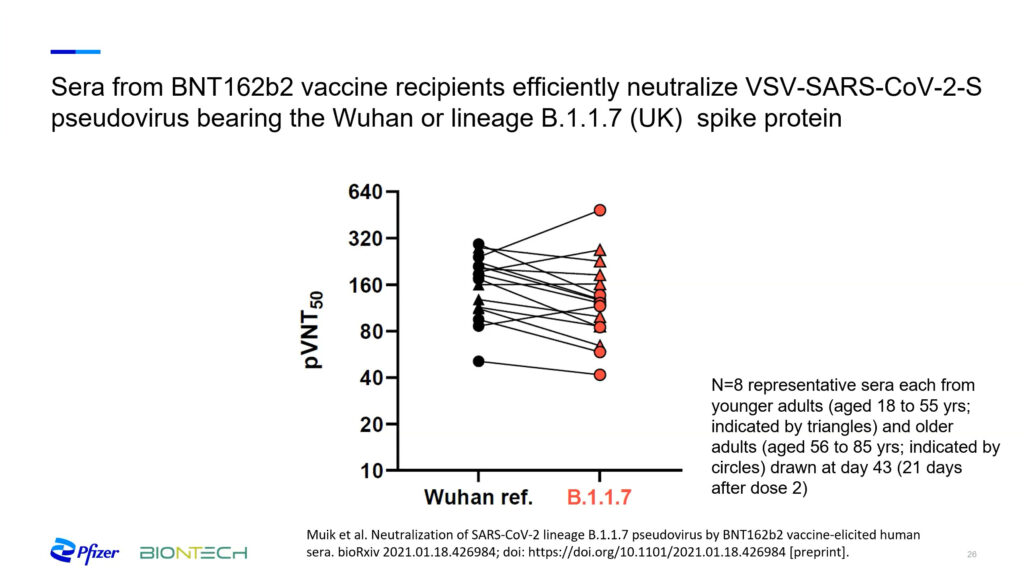
Data from a pseudovirus neutralization assay suggesting that sera from participants treated with the Pfizer-BioNTech vaccine can efficiently neutralize SARS-CoV-2 lineage B.1.1.7 (the variant first detected in the UK).
Highly transmissible variants that have emerged in the United Kingdom and South Africa pose what is perhaps the biggest challenge. These variants include mutations in the spike protein that Pfizer-BioNTech’s vaccine uses as a target. One of the approaches they use to research efficacy against the new variants involves creating synthetic viruses that express the mutations of interest. Then, they examine the neutralizing potential of blood sera extracted from vaccinated participants. Jansen said that data from these studies suggests that “this vaccine will continue to perform well against at least the variants that have appeared here.” However, she cautioned that this data “needs backing up by vaccine efficacy surveillance as well as animal models.”
Efficacy Data Updates from Novavax’s Protein-based Vaccine Candidate
Gregory Glenn gave an update on the progress of Novavax’s protein-based COVID-19 vaccine, which was not available to the public at the time of his presentation. Novavax’s recombinant nanoparticle technology produces a full-length prefusion spike protein. The protein is combined with a saponin-based Matrix-M™ adjuvant and encoded with the Sars Cov-2 spike, and produced in insect cells. Similar techniques have proven successful in Novavax influenza vaccines. Importantly, the vaccine can remain stable in a refrigerator for up to three months, lowering distribution and storage costs.
Glenn, the president of research and development at Novavax, explained that in the pre-clinical package, researchers showed protection in the lower and upper airways of Rhesus Monkeys and produced an antibody response in a trial with 131 clinically ill convalescent subjects. At the time of the presentation, Novavax was conducting its Phase 3 US/Mexico trial and did not have results. However, Glenn was able to report the results of trials in the UK and South Africa. In the UK, researchers found that the vaccine was effective at 94% for the ancestral Covid-19 strain, but decreased to 86% for the UK strain. In South Africa, where the new strain became dominant during the trial, the efficacy decreased but remained around 60%.
Based on these results, Novavax has started developing vaccines for the new variants. Glenn predicts that booster and bivalent vaccines “may become part of the annual influenza immunization regime.” The vaccines are even more important and urgent, Glenn argued, because their South African data showed that “herd immunity from previous infection is not working to protect against the new variant strain.” Glenn expressed optimism about their ability to scale up production, saying that “over the past year, we went from nothing to having eight manufacturing sites in seven countries.”
Hanneke Schuitemaker, PhD Janssen Vaccines and Prevention B.V.
Xuefeng Yu, PhD CanSino Biologics
Update on ChAdOx1 nCoV-19/AZD1222
The Oxford-AstraZeneca adenovirus vaccine has an important advantage that distinguishes it from other vaccines currently on the market: it can be stored in a regular refrigerator for up to six months. Sarah Gilbert, professor at the University of Oxford and head of the team that developed the vaccine, emphasized the vaccine’s affordability, explaining that her team envisioned it as “a vaccine for the world.” The Oxford-AstraZeneca vaccine is being tested in clinical trials in many countries. “It was important to us to get the information on how the vaccine behaves in different populations across the world,” she said.
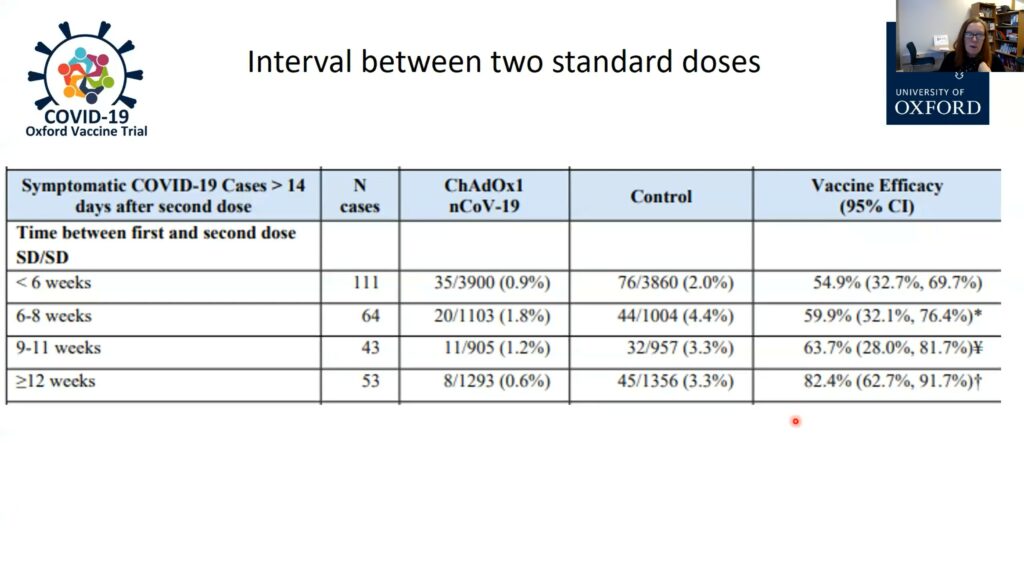
An early report indicated that the two-dose Oxford-AstraZeneca vaccine was about 70% efficacious at preventing COVID-19. Closer examination of the data, however, led Gilbert and her team to realize that the timing of the second dose was critical: efficacy was only 50%-60% when doses were administered less than two months apart, but waiting three months boosted efficacy levels up to 82.4%. Waiting three months to give the second dose is now the policy in the UK, the first country to grant emergency authorization for the vaccine. Gilbert and her team also found that the first dose alone is highly efficacious (76%) at protecting against COVID-19, but only for the first three months. This is enough time to reduce the risk of people contracting the disease while they wait for the booster dose.
The interval between the first dose and the booster dose of the Oxford-AstraZeneca vaccine critically determines its efficacy.
Gilbert also suggested the Oxford-AstraZeneca vaccine may be able to help curb the transmission of the virus. During clinical trials in the UK, nasal swabs of all participants were collected weekly. The scientists found 67% fewer positive samples in the vaccinated group compared to the placebo group, and that this included asymptomatic cases. The Oxford-AstraZeneca vaccine has obtained emergency approval in 23 countries so far, and the plan is to manufacture 3 billion doses by the end of 2021.
Efficacy Data Updates from CanSino Biologics’ Viral-Vector Vaccine Candidate
Xuefeng Yu, chairman of CanSino Biologics, provided an overview of their COVID-19 vaccine and described the China-based company’s efficacy and safety research. The CanSino Biologics’ Ad5-nCov vaccine is built on an adenovirus-based viral vector platform, a mechanism similar to the one used in the Oxford-AstraZeneca and Johnson & Johnson vaccines. Yu announced that, pending final analysis of its Phase 3 clinical trial, the company plans to file for emergency authorization in several countries soon.
The Ad5-nCov vaccine was approved for limited use by the Chinese military in June 2020. Phase 1 and 2 clinical trials conducted in Wuhan indicated the vaccine is safe and induced significant immune responses after a single dose. Over 150,000 members of the Chinese military have received a dose of the vaccine. “We haven’t had any severe adverse events in that population,” said Yu before explaining that efficacy is difficult to assess in China because “there are really no cases right now.”
CanSino Biologic’s Phase 3 clinical trial for the vaccine has been taking place in five countries since September, with Pakistan and Mexico providing the majority of the 40,000 participants. Yu explained the clinical trial results are not available to the company, which is still blinded to the treatment groups. However, recent data analyses by an independent committee has declared the vaccine meets primary safety and efficacy criteria.
The Phase 3 clinical trial for the Ad5-nCov vaccine differs from others in two critical ways. First, the vaccine’s long-term efficacy will be tested by tracking a subset of participants for one year. They are also testing a two-dose trial that includes children as young as six years old, but that data is not yet available.
Janssen’s Effort in the Development of an Ad26 Based COVID-19 Vaccine
The COVID-19 vaccine developed by Janssen, a pharmaceutical division of Johnson & Johnson, has just been authorized for emergency use in the US. Hanneke Shuitemaker, head of Viral Vaccine Discovery at Janssen Vaccines & Prevention B.V., explained that their Ad26.COV2.S vaccine relies on a proprietary adenovirus technology that the European Commission first approved in July 2020, in the context of an Ebola vaccine.
Phase 1 and 2a clinical trials recruited adults of all ages, including 375 participants over 65 years old. These trials revealed that the Ad26.COV2.S vaccine is safe, and most side effects were mild or moderate. The participants who were more likely to experience adverse events were younger participants and those who received the higher dose of the vaccine. Notably, both dose levels demonstrated similar immunogenicity in all age groups. Hence, Shuitemaker and her team decided to test the lower dose of their Ad26.COV2.S vaccine in Phase 3 clinical trials.
Last September, Janssen launched a Phase 3 clinical trial called ENSEMBLE, which tested the efficacy of a single dose regimen across the US, South Africa, and Latin American countries. The ENSEMBLE trial revealed that a single-dose of the Ad26.COV2.S vaccine had a 66% overall efficacy at preventing moderate to severe COVID-19. The vaccine was highly efficacious against severe disease (85%), and it provided 100% protection against COVID-19-related hospitalization and death. In the South African trial, where 97% of the infections from which SARS-CoV-2 sequence data was available, involved the new B.1.351 variant, the vaccine showed the same efficacy levels against severe disease and hospitalizations.
Although Janssen’s vaccine is not quite as efficacious against moderate COVID-19 as other vaccines already on the market, it is highly efficacious against severe COVID-19, hospitalization, and death. In addition, the one-dose vaccine does not need to be stored in ultracold temperatures and confers protection against new variants. “Overall, we are very happy with this outcome,” Shuitemaker said. “At the beginning of this journey, we had established that a single-dose vaccine with 70% efficacy would be a tremendous tool in the fight against this pandemic,” she added. A second Phase 3 clinical trial (ENSEMBLE 2), which tests the efficacy of a two-dose vaccine regimen, is currently underway.
Challenges to Prediction and Prevention of the Next Pandemic Zoonosis
According to Kevin Olival, vice president of research at EcoHealth Alliance, the threat of emerging infectious diseases has been rising for the last 70 years. Most of these infectious diseases are viral and linked to interactions between humans and wildlife. He explained that wild animals may host a diversity of viruses and that some of these viruses have the potential to infect human cells, inducing what is known as zoonotic diseases. Identifying the viruses that are more likely to jump from other species to humans and interrupting interactions between humans and the animals that carry those viruses is a challenging yet promising strategy to prevent future pandemics. In fact, two years before the COVID-19 pandemic emerged, Olival and his team published a study warning about villagers in the Yunnan province (China) being highly exposed to bats that carried SARS-related coronaviruses.
Not surprisingly, predicting where a novel infectious disease will emerge is very difficult. For instance, cataloguing all the viruses that can potentially infect each animal species involves intensive fieldwork. “Often people make the analogy with weather prediction, which was very coarse 50 years ago and we couldn’t see hurricanes coming weeks in advance,” Olival said of this nascent and complex science.
Given the multi-disciplinary and global nature of this kind of research, a centralized data platform to allow researchers to share and combine their findings will be critical. “These disparate data sets need to be put together,” said Olival.
Finally, he advocated for the need to shift policy towards pandemic prevention. It’s critical to get “policymakers to realize that there are other ways to deal with emerging infectious diseases than waiting for them to emerge and then responding,” said Olival. Once a high-risk hotspot has been identified, low-tech behavioral interventions to prevent human-animal contact may be all that is need to prevent a potentially devastating global pandemic.
Lessons Learned from COVID-19 Vaccine Development for Future Pandemic Preparedness
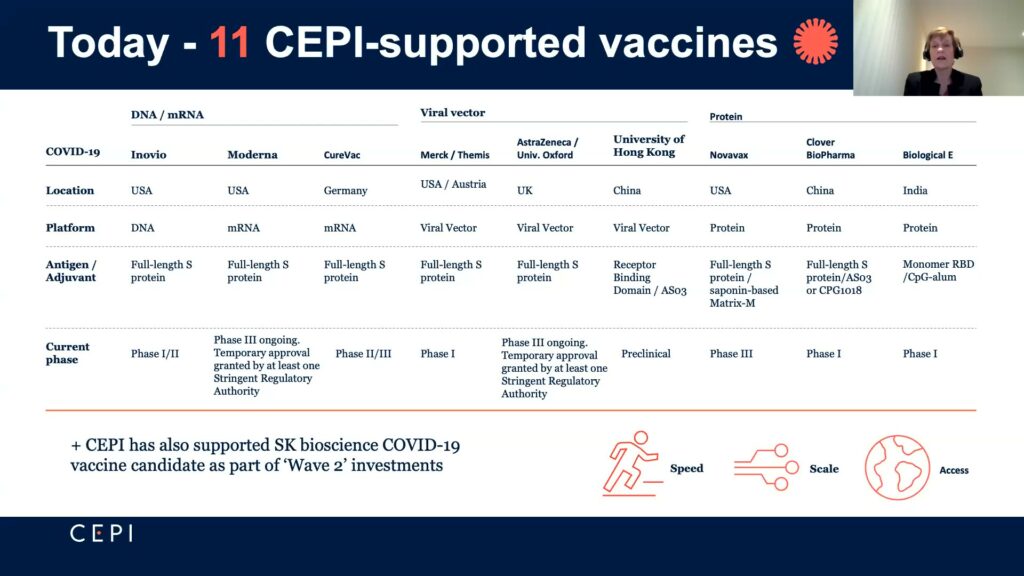
Melanie Saville, director of vaccine research and development at the Coalition for Epidemic Preparedness Innovations (CEPI), outlined the organization’s journey through COVID-19 vaccine development and lessons learned. Created in 2017 in response to the Ebola outbreak in West Africa, CEPI seeks to “accelerate vaccines for emerging infectious diseases and ensure equitable access to the vaccines,” said Saville. Prior to COVID-19, CEPI focused mainly on MERS and rapid response platforms like mRNA. This put CEPI on good footing when they shifted focus to COVID-19 at the start of January 2020.
By April of 2020, CEPI had raised over $1.5 billion in funding and entered partnerships with nine entities using varied strategies to develop COVID-19 vaccines. “Speed, scale and access,” the career virologist said, were the main criteria in determining investments. For speed, they carefully chose their partners and made early investments to ensure manufacturing capabilities to meet their accessibility goals of 2 billion vaccine doses worldwide by the end of 2021. That they invested in a portfolio of vaccines meant that if a vaccine failed, facilities could then be used for another vaccine. This manufacturing investment also helped with scalability, which is a problem particularly for smaller companies that have to resolve supply chain issues with sufficient materials and facilities.
CEPI joined the ACT Accelerator, established by the World Health Organization, to speed-up development of vaccines, diagnostics, and therapeutics and launched their taskforce, “Agility,” to better track variants. Saville sees these coalitions and organizations as a model and foundation for future pandemic responses. Overall, she’s optimistic. The pandemic has created a global desire for countries to invest and work together. “We have seen a revolution in vaccinology,” said Saville.
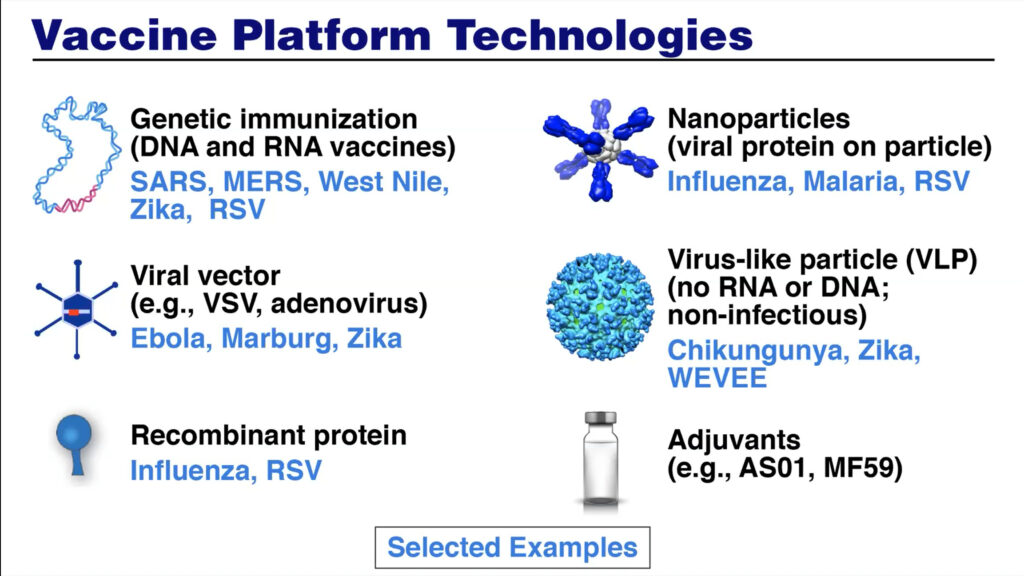
The Coalition for Epidemic Preparedness Innovations (CEPI) adopted a portfolio approach to vaccine development, supporting the development of many different vaccine types summarized in this slide.
The Plague Year of 2020 and Its Effect on Vaccinology
In the final talk of the symposium, vaccinologist Stanley Plotkin reflected on how SARS-CoV-2 has impacted vaccinology. He praised the “all hands on deck” approach that we witnessed in 2020, with experts around the world getting involved and collaborating to develop multiple highly effective vaccines. Plotkin was also optimistic about the effect that the pandemic has had on vaccine acceptance. “Now, most people in all countries are pleading for vaccines, and to me that is a positive thing,” he said.
He also highlighted the importance of virology and other basic sciences. He explained that a handful of coronavirus researchers did the work that became the cornerstone of COVID-19 vaccines. According to Plotkin, “we need to support all those basic sciences, so that when we need something practical, we have the information we need to start working on a solution.”
Plotkin also listed a series of unknowns that researchers will need to figure out going forward. For example, the issue of mucosal responses to the vaccine. SARS-CoV-2 is a mucosal pathogen that takes hold in the nasal pharynx before spreading to the lungs and other organs. It is still unclear to what extent the current vaccines prevent mucosal replication. “Understanding how well they [prevent mucosal replication] has terribly important epidemiological implications regarding herd immunity and the spread of the disease,” he said.
Due to the tendency of SARS-CoV-2 to mutate, Plotkin said we have to face the possibility of a yearly vaccination. He advocated for the creation of regional labs that can monitor and quickly report on mutations across the world, something that is done with influenza. He also emphasized that we need to learn more about veterinary viruses, as they “have caused problems, are causing problems, and will cause problems.”
Further Readings
Plotkin
WHO Ad Hoc Expert Group on the Next Steps for Covid-19 Vaccine Evaluation, et al.
Adrienne Hollis, PhD, JD, the Senior Climate Justice and Health Scientist at the Union of Concerned Scientists, explains the role scientists must play in mitigating the harm caused by plastic waste and pollution from polymer production.
Published March 4, 2021
By Stephen D. Albright, PhD
Sunset over petrochemical plants in Lake Charles, Louisiana. (David Wilson from Oak Park, Illinois, USA, CC BY 2.0, via Wikimedia Commons)
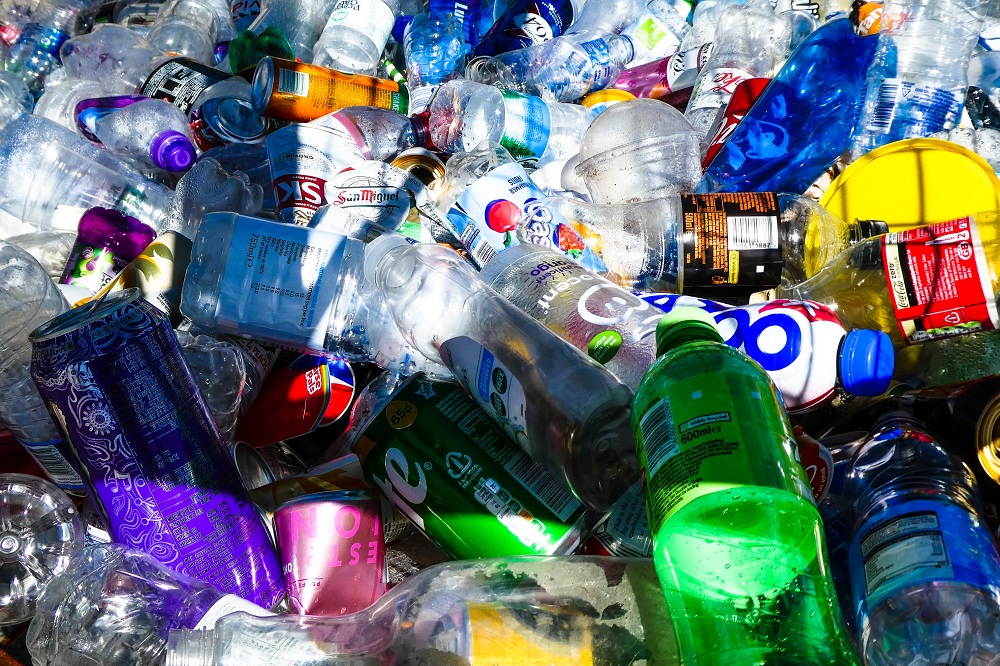
New scientific discoveries often have profound impacts beyond what researchers can initially imagine. Polymers, and plastics derived from them, are an instructive example: the plastics that were once heralded as cheap, durable, and functional have also created an environmental crisis. Plastic waste and pollution from polymer production are significant hazards for communities around the world.
Adrienne Hollis, PhD, JD, the Senior Climate Justice and Health Scientist at the Union of Concerned Scientists (UCS), recently answered some questions about the impact of plastics and the role scientists have in mitigating their harms. Before joining UCS, Dr. Hollis served as a section chief at the Agency for Toxic Substances and Disease Registry, an agency within United States Department of Health and Human Services, and as an Associate Professor at the Florida A&M University Institute of Public Health.
How would you define environmental justice and why should basic science researchers care about it?
Hollis: To me, basic science research focuses on gaining a fundamental understanding of the natural environment and how natural resources are transformed. Environmental justice talks about the adverse effects on communities from exposure to the unnatural transformation of the natural environment, through actions like air or water pollution. A specific focus of environmental justice is the disproportionate impact of exposure on disadvantaged areas and communities of color. But I would defer to communities and community organizations for their definition. That is what matters.
Outside of moral and ethical considerations of fairness, researchers are urged to follow the Precautionary Principle, based on the concept of “Do No Harm” in the medical profession. It states that if anything has a suspected risk of harm, to either the public or the environment, scientists should immediately engage in actions to prevent harm, even in the absence of complete scientific data identifying risk. These actions are at the core of environmental justice, and should apply across all areas of basic science research.
One of the most striking examples of communities of color and/or low socioeconomic status being disproportionally affected by environmental hazards is a stretch of Louisiana along the Mississippi River. Called by many “Cancer Alley,” it is home to a high density of oil refineries and petrochemical plants, key steps of polymer and plastic production. What have been some of the hazards and illnesses documented in this region?
Hollis: I would first state that community members would be the best source of information on health effects because of their historic knowledge and community data on this issue. What I can say is that high rates of many health conditions—miscarriages, cancer, heart problems, respiratory problems like asthma and chronic obstructive pulmonary disease (COPD), and others—are present and well-documented in this region.
A perfect example of a hazard is the 2020 fire at a Lake Charles, Louisiana chlorine plant after Hurricane Laura. During and after the fire, residents were ordered to shelter in place, close all windows, and not operate air conditioners to prevent chlorine exposure. Amidst a pandemic and summer heat, the situation could have been so much more devastating—widespread COVID-19, heat stroke, or chlorine poisoning were all real possibilities. And yet, facilities keep coming!
Nick Fewings, via Unsplash
Researchers in polymer chemistry are working towards developing polymers and plastics that can be more sustainably produced and disposed of. What kinds of changes to a polymer’s life cycle would be most impactful for communities hit hardest by industrial pollution?
Hollis: People living in places like Cancer Alley deal with facilities that release traditional air pollution as well as greenhouse gases while making plastics. Changes that would be impactful include ceasing the extraction of fossil fuels for polymer production and changing the plastic production processes that generate pollutants like ethylene oxide, styrene, and benzene. Processes that exclude the use of these chemicals would be optimal.
But the most impactful step would be to get rid of those facilities. Hopefully, as new processes are developed to improve plastic recycling and reuse, there will be decreased demand for facilities that produce virgin plastics. In the meantime, research and development of alternatives to biopolymers and petroleum-based products—both of which lead to adverse health effects—would also be a great intermediate step.
What actions could scientists and engineers take during the research process to mitigate and prevent adverse impacts when their research translates into products? What should research practices that incorporate environmental justice look like?
Hollis: In my opinion, it is not really about making production better and safer. It is about the Precautionary Principle, which all scientists should adhere to: do no harm. This means taking preventive action when you suspect harm could occur and most importantly, increasing public participation in decision making. Scientists and engineers must, at the outset, identify the communities that may be impacted, work with those communities early and often to identify concerns, and move forward together. Scientists and engineers must ask themselves if they would want to live in a place that produces these products, and whether the processes they are developing to mitigate and prevent harm are good enough for them or their families.