Leadership in STEM Series: Design Your Career and Leverage Networking

March 7, 2024 | 1:00 PM – 2:30 PM ET

Advance your career as an effective, inclusive leader in STEM through this four-part series brought to you by The New York Academy of Sciences with special guest speakers from Pfizer senior leadership.

Design thinking can be a great way to help identify career goals and craft a path forward. This path often involves leveraging networking to amplify skills and build the connections necessary to achieve personal and professional goals. Participants in this session will learn how to apply design thinking skills that are useful every day in the lab and in long term planning while also leveraging and building their network.

Speakers

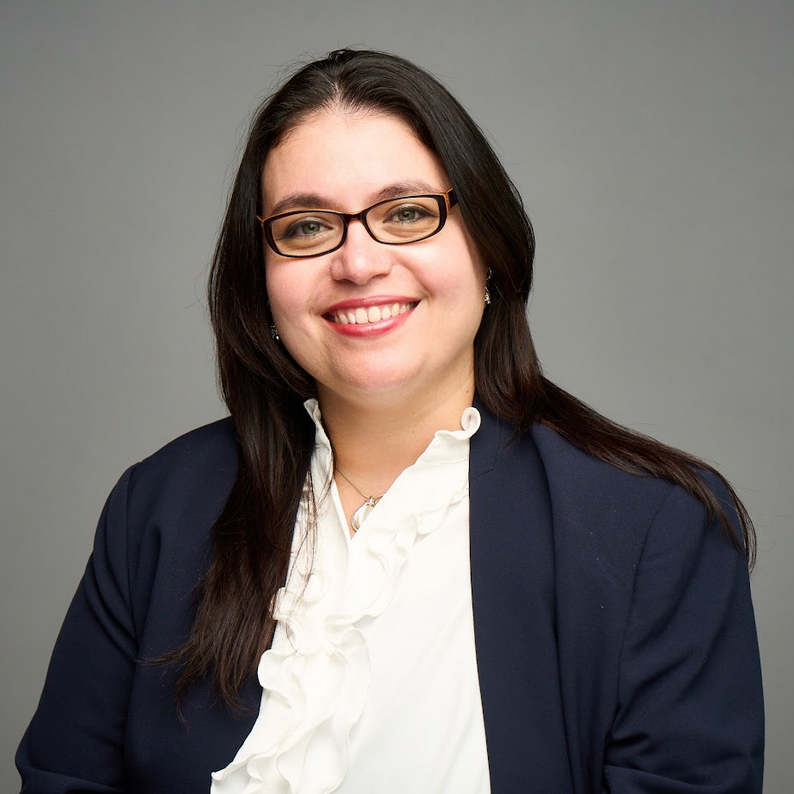
Scott Kelly, PhD

Senior Director, Global Medical Epidemiology, Worldwide Medical Safety
Vaccine and Hospital Epidemiology Strategic Lead, Pfizer, Inc.

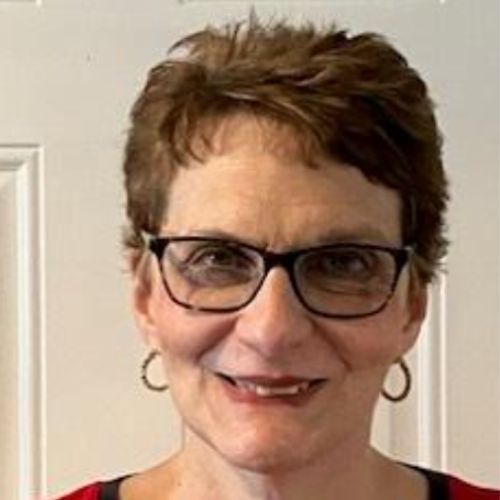
Jonathan Lee, PhD

Principal Scientist, Bioinformatics, Vaccine Research and Development, Pfizer, Inc.

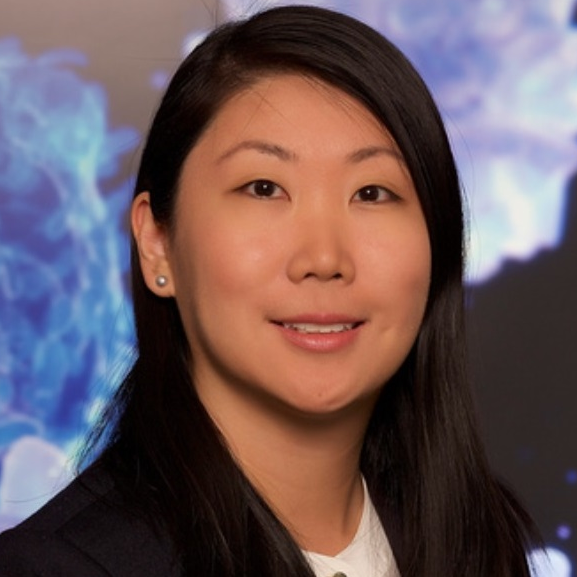
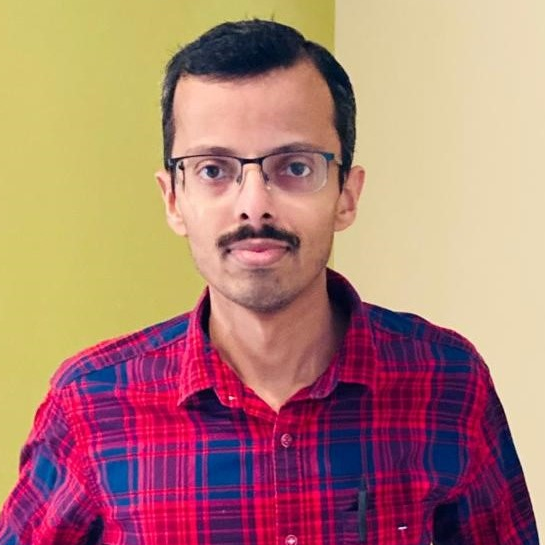
Naveen Surendran, PhD

Senior Principal Scientist, Vaccine Research and Development

Sponsor

Thank you to Pfizer for its generous in-kind support of this series.

About the Series

Effective leadership is a key skill for all STEM professionals, but it is often difficult to define and practice. This series of bite-sized learning webinars are designed to build key skills as a change maker. Participants will have the opportunity to attend the webinars live or on demand. Learn more about the Leadership in STEM Series.

Circular Textiles

Overview

Textiles play a vital role in our lives from our clothes, to our homes to everyday products in the background of our TikTok feed. But how often do we think about those textiles – who made them? How are they made? How do they get from the raw materials to our hands? 

The vast majority of textiles have a linear path – raw materials are made into textiles and then go from the sales rack to the landfill. With the rise of fast fashion and other rapid textile production in different industries, there is an urgent need and business opportunities for innovative, sustainable, and circular flow of textiles within the supply chain. How can we draw upon the concepts of a circular economy and inject innovative approaches to sustainable and circular practices within the textile supply chain?

Winners

The winning team, EcoFashion, developed a unique approach to the Circular Textile model by developing a synthetic cellulose fiber using agricultural waste, sustainable color dye methods, and an app to educate users on sustainable fashion practices.

Team members: Rachita J. (India) (Team Lead), Mariia H. (Ukraine), Sofía R. (Colombia), Alex B. (United States), Sylvia X. (United States), Altynay N. (Kazakhstan)

Mentor: Xanthi C. (Greece)

Sponsor

Wearables

Overview

From watches to implants to sensor-enabled clothes, tiny, “wearable” microprocessors are all around us both in consumer and industrial uses. With the explosion of the Internet of Things (IOT) and Artificial Intelligence (AI), the current and near-future possibilities for wearable technology are only limited by our imagination. Used widely and connected in a network, wearables hold the potential to be powerful tools for responding to some of the world’s trickiest issues.

How could you use today’s wearable devices, or design new wearable technology, to address challenging issues in disaster management or non-communicable diseases?

Winners

The winning team, VisionXcelerate, focused on a solution to help elderly individuals with dementia by developing a pair of smart glasses integrated with artificial intelligence (AI) and augmented reality (AR) technologies to assist with daily tasks such as medication reminders and person recognition, along with fall detection systems and GPS tracking to assist caretakers.

Team members: Riya K. (India), Shreeniket B. (United States), Sysha R. (India), Prakul P. (India), Tisha S. (India), Medha T. (United States)

Sponsor

Course: Pathways to Success: Effective Mentorship in STEM

April 9, 2024 | 1:00 – 2:00 PM ET

Mentorship is a collaborative learning relationship that benefits all participants. In fact, effective mentorship is a key factor contributing to a high rate of degree attainment, increased social and self awareness, sharper communication skills, career satisfaction, and other benefits that last for many years.

The New York Academy of Sciences is thrilled to partner with the National Research Mentoring Network (NRMN) to provide a free online webinar highlighting the potential and importance of effective mentorship in STEM. NRMN’s mission is to provide researchers across all career stages in the biomedical, behavioral, clinical, and social sciences with the evidence-based mentorship and professional development programming that emphasizes the benefits and challenges of diversity, inclusivity and culture. 

This event is tailored for individuals at all ages and professional levels looking to enrich their career through collaborating and learning from a mentor or mentee, and for anyone interested in sharing this information with their network. Join us and learn from experts in the field about how effective mentorship can benefit you and your community.

Speakers

Toufeeq Ahmed Syed, PhD, MS

Dr. Toufeeq Ahmed Syed is an Associate Professor and Assistant Dean of Education Informatics at the McWilliams School of Biomedical Informatics and McGovern Medical School, The University of Texas Health Science Center at Houston. Dr. Syed has over 15 years of experience developing national online platforms and portals and serves as (multiple) Principal Investigator of the NIH-funded AIM-AHEAD program (Artificial Intelligence/Machine Learning Consortium to Advance Health Equity and Researcher Diversity) and as Co-Investigator for National Research Mentoring Network (NRMN), Dr. Syed designed and developed MyNRMN (https://my.nrmnet.net), a powerful mentoring platform to support faculty, students, mentors, and mentees in building mentoring relationships and their professional networks. MyNRMN has over 8,300 mentors and 15,600 mentees in the platform and has facilitated over 12,000 mentoring connections (one-on-one, peer, near-peer, and group mentoring) for the NRMN community of mentors and mentees across all 50 states and from more than 4,100 institutions.

Marcus Lambert, PhD, MS

Dr. Marcus Lambert is the Associate Vice President of Research and an Associate Professor of Epidemiology and Biostatistics at SUNY Downstate Health Sciences University. His research group studies workforce diversity and mentorship in scientific training, with a particular interest in mentorship networks. Dr. Lambert has led and designed multiple mentor and mentee trainings for biomedical scientists, and co-leads several research training grants. Dr. Lambert received his Ph.D. in biomedical science from NYU Grossman School of Medicine, an M.S. in Clinical Epidemiology and Health Services Research from Weill Cornell Graduate School, and a B.S. from Howard University.

Partner with Us: School & Community

Our Unique Approach to Working with Teachers, Students and Families

The scientists in the Academy’s network view their job as blend of research and community outreach. Our scientists have a desire to directly engage the public to demystify science and foster science literacy, especially among young people and families. Therefore, our three signature programs — Afterschool STEM Mentoring, Scientist-in-Residence, and Family Science Nights — provide professional scientists with opportunities to do outreach that aligns with their interests as well as their professional time constraints.

Ways to Work with Us

There are several ways external organizations can become involved with our community outreach initiatives.

  • You can sponsor our “Chat with a Scientist” virtual event series, and even collaborate with us to plan the events using subject matter experts in your network who would like to give back to elementary and middle school age students.
  • We can create an Employee Engagement initiative whereby your employees with STEM expertise can be recruited as mentors in either our Afterschool STEM Mentoring Program or our Scientist-in-Residence program.
  • You can support our Family Science Nights as a sponsor or a host venue to hold an FSN at your school, library, or other community center location.
  • We can collaborate to develop a new event series aimed at younger students to spark their curiosity in STEM, or expose them to STEM careers through the eyes of working scientists.

Impact Report

Download the New York Academy of Sciences STEM Education 10-Year Impact Report, 2024.

GENERATION STEMEmpowering Scientists of the Future

Contact Us

To partner with us to support our School & Community Engagement programs, contact education@nyas.org.

From the Academy Blog

The Junior Academy of The New York Academy of Sciences Announced as Silver Anthem Winner in Education or Literacy Platform for the Third Annual Anthem Awards

The Academy announced today that its highly regarded Junior Academy has been named the Silver Anthem Winner in Education or Literacy Platform.

New York, NY | January 30, 2024 – The New York Academy of Sciences announced today that its highly regarded Junior Academy has been named the Silver Anthem Winner in Education or Literacy Platform in the Third Annual Anthem Awards. Launched by The Webby Awards in 2021, the Anthem Awards honors mission-driven work of people, companies, and organizations worldwide. This year’s Anthem Award Winners were selected from a pool of over 2,000 submissions from 44 countries by the International Academy of Digital Arts and Sciences (IADAS).

“Since 2016, over 15,000 students from 100+ countries have participated in the Junior Academy, gaining knowledge while also learning to apply STEM to real-world challenges,” said Meghan Groome, PhD, Senior Vice President of Education at The New York Academy of Sciences. “Through the Junior Academy’s platform Launchpad, students can engage in a world-class science program, meeting students worldwide and gaining technical and fundamental work-ready skills such as collaboration, communication, and problem-solving. We thank our sponsors for making the Junior Academy possible.”

The New York Academy of Sciences’ Junior Academy was relaunched in 2016 as an online community and collaboration platform. It currently has over 2,500 members from over 80 countries. The platform is designed to directly address the opportunity gap between young people who love STEM but have limited opportunities to participate in work-ready programs such as research experiences and internships.

The Junior Academy recruits thousands of high school students worldwide who self-assemble into virtual teams through a custom-designed virtual platform called Launchpad to solve real-world problems using STEM (science, technology, engineering, math). Using technology to reach students traditionally shut out of science and STEM careers ensures that any student with internet access can participate in this world-class science program. The goal is to identify and connect the students and give them the tools to solve growing local and global problems. By solving real-world problems, students will build both the technical and soft skills needed for the workforce of the future.

“The Anthem Awards were born out of the desire to amplify and celebrate the voices that are creating sustainable change and to inspire others to take action,” said Patricia McLoughlin, Anthem Awards General Manager. “In a year where so much is at stake, it is incredibly important to recognize impact work and celebrate the progress happening globally. Congratulations to all of this year’s Winners.”

About The Anthem Awards

Launched in 2021 by The Webby Awards, The Anthem Awards honors the purpose and mission-driven work of people, companies and organizations worldwide. The Anthem Awards was launched in response to the prevalence social good has taken within the national conversation and cultural zeitgeist in recent years. By amplifying the voices that spark global change, we’re defining a new benchmark for impactful work that inspires others to take action in their own communities. The Anthem Awards honors work across seven core causes: Diversity; Equity & Inclusion; Education; Art & Culture; Health; Human & Civil Rights; Humanitarian Action & Services; Responsible Technology; and Sustainability, Environment & Climate. Founded in partnership with the Ad Council, Born This Way Foundation, Feeding America, Glaad, Mozilla, NAACP, NRDC, WWF, and XQ.

About The Webby Awards

Hailed as the “Internet’s highest honor” by The New York Times, The Webby Awards is the leading international awards organization honoring excellence on the Internet, including Websites; Video; Advertising, Media & PR; Apps, Mobile, and Voice; Social; Podcasts; and Games. Established in 1996, The Webby Awards received more than 13,500 entries from all 50 states and 70 countries worldwide this year. The Webby Awards are presented by the International Academy of Digital Arts and Sciences (IADAS). Sponsors and Partners of The Webby Awards include Verizon, WP Engine, YouGov, Brandlive, Canva, NAACP, KPMG, Fast Company, Wall Street Journal, MediaPost, Podcast Movement, and AIGA.

A New Generation of Scientific Sustainability in Rwanda

A group of students present their school project in front of onlookers.

Young Scientists in Rwanda are Leaders of Environmental Sustainability Movement with STEM Innovation Challenge, Sponsored by Clifford Chance Cornerstone Initiative

Published January 29, 2024

By Nicole Pope

The New York Academy of Sciences “Green Schools, Green Homes, Green Communities” Innovation Challenge in Rwanda was a great success, engaging the participation of 909 local secondary school students from across Kigali, working in 163 teams to create research-driven solutions to environmental problems faced in their community. The Spring 2023 Innovation Challenge, organized by the New York Academy of Sciences in partnership with Association Mwana Ukundwa (AMU), encouraged young scientists aged 13-17 in Rwanda’s capital city of Kigali to design an innovative, sustainable approach to address an environmental challenge in the places where they live and study. Sponsored by the Clifford Chance Cornerstone Initiative, and building off the widespread enthusiasm for the Spring 2022 Innovation Challenge on Urban Gardens in Rwanda, this challenge latest green challenge called for creative, practical solutions that could be implemented in Rwandan schools, homes, and communities to turn environmental challenges into sustainable growth.

The students from 12 public schools in Kigali who took part in the Green Schools, Green Homes, Green Communities Innovation Challenge contributed to raising awareness of the environmental challenges facing Rwanda and the rest of the world. They researched problems related to environmental sustainability, brainstormed with teammates to design and test creative solutions, and created scientific presentations to communicate their ideas to their peers and community. Each team was guided in their efforts by dedicated teachers from the twelve participating schools who served as Mentors to the students and supported them through developing their research projects.

Young Scientists Innovate Practical Solutions through Research and Creativity

Over the past two decades, Rwanda has become a global leader in sustainable development after adopting economic growth strategies that incorporate environmental protection and climate change adaptation. As a small, landlocked country, Rwanda faces numerous challenges due to climate change, the unequal distribution of potable water and the over-exploitation of natural resources.

A growing number of individuals, young people in particular, are exploring innovative ways to address these problems and create meaningful change at the local and community level. As emerging leaders in the movement to prevent environmental degradation and promote sustainability, the young scientists participating in the challenge demonstrated that through ingenuity and hard work, practical solutions can be found to make homes, schools and communities greener and reduce the pressure on precious natural resources and the environment.

The Winning Team and selected Runner-Up Teams were invited to present their innovative solutions at the Open Day celebration for the challenge held at AMU. They showcased their projects to an audience of over a thousand people including their families, all of the students in the challenge, educators and school leaders from the participating schools, and government officials, including the Coordinator of the Joint Action Development Forum from the Office of the Mayor in Kigali and the Director of Education for the entire Kicukiro district. The scientific solutions from these students have been taken up and used by residents across Rwanda to improve wellbeing, public health, and economic and environmental sustainability.

Winning Team: Sustainable Resource Management and Conservation for Achieving Green Homes and Green Communities

Team Members: Clarisse (Team Lead), Leandre, Joyeuse, Mucyo, Ayubu, Jolie
Mentor: Nizeyimana Bonaventure

The winning team tackled the environmental and socioeconomic impacts of traditional cooking methods, which rely heavily on firewood. The widespread use of wood for cooking contributes to deforestation and produces harmful gas emissions. Wood burning also causes air pollution within the home, which has a detrimental impact on human health and is linked to pneumonia, lung cancer and other severe health conditions.

The team members’ solution was to build an innovative stove, using affordable materials, to reduce fuel consumption. After conducting research to come up with an optimal design, the students crafted a stove made of iron sheeting and lined with clay. They incorporated an electronic fan, which enhances combustion efficiency. After testing their prototype, the team found that their device significantly reduces fuel consumption, thus limiting the impact on the environment. Shorter cooking times and better heat control also improve indoor air quality while easing the cooking burden for household members. The team won first place for this original project, which helps combat deforestation, the health impacts of air pollution and the inefficient use of natural resources.

Runner-Up Team: Green Surrounding Us

Team Members: Emerance (Team Lead), Leogad, Diane, Solange, Alliance
Mentor: Baseka Didier

Many people in Rwanda suffer from the searing summer heat and lack of cool air indoors, whether in houses or at school where it affects students and administration employees. In the course of their research, the team members found out that a majority of people around the world experience lack of access to indoor fresh, cool air. “I was very interested in this project. We had fun and did hard work in the group, brainstorming and searching for a solution,” says team member Alliance. After collecting information online and interviewing local environmental experts, the team members designed and produced a light, portable fan with blades made of discarded cardboard. Powered by a rechargeable battery and equipped with an on/off switch, the fan provides hours of cool relief, and the reused cardboard does not end up in landfill.

Runner-Up Team: Amazing Green

Team Members: Nice (Team Lead), Jeannette, Ange Scovia, Chanisse, Rosine, Beatrice
Mentor: Baseka Didier

The students in this team focused on improving their school environment by tackling two challenges at once: reducing waste and creating storage to improve order in the classroom. “Me and my teammates have gained many things from this project,” says team leader Nice. “Working together, we have learned to be part of society and care about others’ attitudes.” Collecting plastic bottles and old cardboard to prevent them from littering the environment, the team members upcycled these materials by crafting shelf racks to store documents and other school supplies. The students applied their math and science skills to design the racks and used the plastic bottles to prop up cardboard shelves. “I was given the responsibility to find cardboard in my group and I really studied to create teamwork in the group,” says team member Ange Scovia. “I had fun and laughed a lot during this project.” The sturdy shelf racks were designed to bear a weight of up to 4 kilograms and last 3 to 5 years. As proof of concept, the team produced a prototype, demonstrating that their model is both easy and inexpensive to replicate.

Runner-Up Team: Sustainable Life in the Green Community from Discarded Material

Team Members: Jean-Marie (Team Lead), Fils, Anna Jali, Emmanuel, Naomi, Amani
Mentor: Rubarema Maurice

The six team members first studied the impact of waste on the environment by observing the evolution of different types of waste on two small plots of land: they saw that organic kitchen waste decayed and turned into compost that contains important nutrients for plants, but plastic containers and plastic bags remained intact, cluttering the ground and preventing plant growth by blocking access to carbon dioxide and sunlight. After consulting experts, the team came up with three practical uses for recycled plastic containers. First, they used old jerrycans to grow plants, particularly vegetables — an approach that enables households with limited access to land to supplement their diet with healthy, home-grown food. The jerrycans were also utilized as composting receptacles to turn kitchen waste into nutrient-rich fertilizer and as containers for smaller plastic waste. “Before doing this challenge, I was not good at working collaboratively in a team,” explains team member Emmanuel. “This challenge made me realize that working together leads to the best solutions because different ideas are collected together to create the main idea.”

Runner-Up Team: Terracing to Prevent Soil Erosion

Team Members: Ally (Team Lead), Anaclet, Nelly Chanella, Jean-Baptiste, Fabrice, Fidele
Mentor: Karangwa Adiel

Soil erosion is a problem caused by rainwater and human activities such as agriculture and deforestation. The members of this team were inspired to tackle this pressing issue largely because soil erosion caused by an inadequate drainage system threatens their school. “With the team I found new friends and I did my best to give ideas and contribute to the design of the solution,” says team member Jean Baptiste. After visiting the site and building model terraces on the hillside, the students found that terracing reduces the steepness of the slope and slows down the water flow, preventing rain from washing away the topsoil and crucial nutrients. In addition, planting fruit trees and crops on the terraces contributes to a greener school environment and provides healthy food. In the course of the project, participants acquired both knowledge and self-confidence. “I was very shy at the beginning of the project,” says team member Nelly Chanella, “but now I can engage in constructive discussions.”

Runner-Up Team: Green Operation

Team Members: Liliane (Team Lead), Yvan, Zainah, Djuma, Elisaa, Diane
Mentor: Musenge Hosiane

This team focused on the water pollution caused by the ever-growing use of plastic bottles, which are almost indestructible and often end up in the ocean. When the bottles do eventually decompose, the plastics break down into micro-particles that seep into the soil and drift into the waterways, causing harm to humans and other animals. To reduce waste and water pollution, the six team members sought innovative ways to reuse plastic bottles and jerrycans while also improving their school environment. They turned used plastic containers into pencil holders and receptacles for school supplies to keep classrooms well organized and clean. Their efforts also showed their fellow students how to recycle effectively to reduce water pollution and protect the environment. “Being a first-year member of the New York Academy Innovation Challenge has been an unforgettable journey that has helped me hone my skills and make friends that will last a lifetime,” says team leader Liliane, adding, “I met hardworking individuals who helped me improve my own skills and taught me many valuable lessons in teamwork and analytical thinking.”

Educator Resources

Peruse and download these lessons, designed by the Academy Education team as additional resources for middle and high school teachers.

Innovation Challenge Curriculum

This flexible, project-based curriculum lets teachers guide students on how to solve challenges facing their communities by applying principles of scientific research and design thinking. Students emerge from this project-based learning curriculum having built STEM knowledge as well as 21st-century skills such as critical thinking, creativity, collaboration and communication.

The curriculum is available in two forms.

  1. Classroom Model is designed to be implemented over 8–10 weeks, with in-class lessons (approximately 1–2 hours per week) and assignments for students to complete outside of class.
  2. Workshop Model is designed as an intensive 1-2 day session, similar to a “hack-a-thon.”

Understanding the COVID-19 Vaccine: An Instructional Unit

Designed to be used with middle or high school students, this instructional unit looks at how scientific consensus interacts with public rhetoric about Covid-19 vaccines and equips students with the tools to combat misinformation. By the end of the unit, students will understand how vaccines work in triggering an immune response, understand the concept of herd immunity and apply critical thinking to analyzing sources of data and reporting around vaccination programs.

College Readiness Lesson Plans

The college admissions process can be arduous, confusing and stressful. We help teachers simplify it for their students with these lessons that teach how to develop study skills, find the right college and finance a post-secondary education.

Leadership Skills Lesson Plans

What does it mean to lead? What characteristics do great leaders possess? Our leadership skills lessons help teachers cover the essential skills needed to succeed in any career, including those in STEM fields.

Communication Skills Lesson Plans

Success in a STEM career is often dependent on the ability to share important but complex information in a way that people can understand. Our communication skills lesson plans give teachers exercises to use with students to help them communicate more effectively.

Creative Problem-Solving Lesson Plans

STEM professionals solve some of the most challenging problems in the world using the art of design thinking. These lesson plans provide ways for teachers to explain the basics about this innovative approach to problem-solving.

Contact Us

For questions about any of the above, contact us at education@nyas.org.

Science Alliance Leadership Training

Are you a PhD student in the New York City metropolitan area who wants to pursue a career in STEM? Science Alliance Leadership Training (SALT) is for you! This free, one-of-a-kind, 5-day program provides exceptional graduate students with the opportunity to connect with a powerful network and build the skills you need to effectively advocate for yourself throughout your career. 

SALT trains you for both personal and institutional success. Through team-building exercises and workshops, SALT Fellows learn leadership skills, communication skills, conflict resolution, and team dynamics. The SALT program’s goal is to create a cadre of diverse, entrepreneurial leaders in STEM, while providing a unique networking opportunity across disciplines and institutions.  

What to Expect from SALT 

Gain the tools you need to succeed 

Workshops in leadership, conflict management and communication— all the skills you need to take ownership of your career. 

Continuous follow-up and education 

The learning doesn’t stop when SALT ends. We provide continuous education through webinars, Q&A sessions and supplemental materials. 

A tight-knit community of SALT alumni 

You’ll go through SALT with a small cohort of driven students like yourself, enabling you to build connections and open up networking opportunities across multiple institutions and fields. And you’ll become part of the wider network of SALT alumni who have participated in the program since its inception in 2016. 

Eligibility & Application Requirements 

Applicants must be:

  • PhD students in the 2nd year of their PhD or beyond. 
  • Enrolled at an institution located in the New York City metropolitan area. 
  • Members of The New York Academy of Sciences at the time of the application. If you are not already a member, please join here prior to submitting your application. 


Application Requirements: 

Statement of purpose (max. 500 words) 

  • What does Leadership mean to you? 
  • What do you expect to learn at SALT? 
  • Please describe your professional vision and how you plan to get there. 

Leadership essay (max. 400 words) 

  • Describe opportunities in your current position as a graduate student where you have demonstrated leadership. 
  • Describe a scenario where you were not effective as a leader and describe lesson(s) learned from it. 

Candidate biography (max. 150 words) 

  • Brief bio that includes education, interests and professional goals. 

Consent form 

  • Must be signed by your PI (Consent form will become available when future programs are announced.) 

Resume (max. 2 pages) 

Letter of recommendation (1)

Frequently Asked Questions 

SALT Application

What is in the application and in the consent form?

Once the application is available, it will be found here.

Does the recommendation letter have to be written by my Principal Investigator? 

No, the recommendation letter can be written by any professional that can attest to what makes you a great candidate for this unique leadership training opportunity.

Can I submit more than one recommendation letter?

Yes, you may submit more than one recommendation letter. However, only the first letter received will be included in the application materials for the reviewers.

Does the consent form need to be signed my PI?

Yes, SALT requires a five-day commitment from each participant. The PI’s signature on the consent form guarantees that the student has the consent of their supervisor to participate in this unique opportunity without affecting his/her research requirements.

If my PI won’t sign the consent form, will my application still be considered?

No, all the requirements must be met by the application deadline. This includes your PI’s signature on the consent form.

Is there is a fee to apply or attend SALT?

No, there is no fee to apply or participate in SALT. However, you must be a member in good standing of The New York Academy of Sciences at the time of your application.

When will I be notified about my application status?

We expect to notify all applicants of their status from within a few weeks of the deadline.

Who will review my application?

Each completed application will be reviewed by two professionals with doctoral degrees in STEM fields who are currently pursuing a variety of science careers, including science policy, academia, non-profit, industry, and consulting.

SALT Eligibility 


Is a PhD degree required to apply?

No, this year’s SALT is designed for graduate students pursuing PhD degrees in STEM fields who are in the 2nd year of their degree program, or beyond.

Are first year or early second year graduate students eligible to apply?

No, SALT is designed for current graduate students who have completed their first year, and at least one semester of their second year, or beyond.

Are undergraduates, master’s students or postdocs eligible to apply?

No, SALT is designed for current graduate students pursuing PhD degrees in STEM fields who are in their second year or beyond.

Do I need to be a US citizen to apply for SALT?

No, you don’t need to be a citizen. SALT will accept applications from both US citizen students and non-citizen students.

If I am pursuing my degree at an institution outside the New York City metropolitan area, can I still apply?

No, this edition of SALT is restricted to students studying at institutions in the New York metropolitan area. However we may offer additional SALT editions later in the year that will be open to a broader set of participants. To stay in the loop, ensure that you subscribe to our newsletters via the link at the bottom of this webpage!

I was part of a previous SALT program. Am I eligible to apply?

No, previous SALT participants are not eligible to participate as SALT students for a second time.

SALT Program Requirements

If selected, am I required to attend every day?

Absolutely yes. You are making a commitment to The New York Academy of Sciences to be present during the five days of SALT. Details on a daily schedule will be announced when a new SALT Program is finalized.

 Are meals provided during SALT?

Yes, SALT participants will get a light breakfast, lunch, and snacks every day.

Does The New York Academy of Sciences cover my commuting fees?

Yes, The New York Academy of Sciences will cover commuting fees or transportation costs within the New York City metropolitan area associated with participating in SALT. Participant will be reimbursed “incidentals & meals” for a minimum approved rate upon submission of receipts.

Will The New York Academy of Sciences cover my travel and lodging expenses?

No, The New York Academy of Sciences will not cover travel and lodging expenses for SALT participants except as indicated in the previous question.

Contact Us 

To learn more about SALT, contact us at education@nyas.org.

STEM Certification

STEM Education for the 21st Century

In today’s global information- and technology-driven economy, people must be both STEM literate and equipped with 21st-century skills such as creativity, communication, collaboration and persistence in order to be successful. Because STEM education is more important than ever, countless organizations are developing and promoting STEM content, resources, and instructional programs for the education sector.

However, little objective information exists to help decision-makers identify high-quality materials. The Academy’s STEM Certification Program addresses this challenge by reviewing educational materials against our STEM Education Framework, a set of research-based best practices that foster STEM learning and the development of 21st-century skills. The Framework was developed by The New York Academy of Sciences in conjunction with SRI Education, a division of SRI International and an established leader in STEM education research, and reviewed by an international advisory board of education experts.

The STEM Education Framework establishes a standard for STEM teaching based on the latest science and education research. Materials that meet the rigorous standards of the Framework receive official STEM Certification status from The New York Academy of Sciences.

An Open Educational Resource for Recognizing Quality STEM Materials

The STEM Education Framework is a freely available resource to be used by anyone engaged in STEM education — curriculum developers, content providers, teachers, students, parents, school leaders, policymakers and philanthropists — to ensure that their efforts align to sound pedagogy and best practices. The Framework outlines 26 features of quality STEM education in three fundamental areas:

  • Core Competencies: To what extent are students provided with opportunities to develop essential 21st-century skills?
  • Instructional Design: To what extent do the materials and/or program design reflect research-based pedagogy and a cohesive system of learning objectives, supports, and assessment resources?
  • Implementation: To what extent are necessary supports or services available to facilitate distribution and ensure effective implementation?

Review Process

  1. Submit materials for review. Any curriculum, set of instructional materials, educational program or product intended for formal or informal STEM learning may be submitted for review, including instructional software, online courses, educational games, apps, and professional development resources.
  2. Reviews conducted by independent experts. All reviews are performed by a panel of experts with advanced degrees and deep knowledge related to the subject matter, grade level and intended audience of the materials under review.
  3. Receive actionable feedback. Each review concludes with a detailed report of how the materials align to each element of the STEM Education Framework.
  4. Receive STEM Certification. Materials that align to the framework receive official certification from the New York Academy of Sciences.

Benefits of Certification

  • Recognition that your materials reflect best practices
  • Official New York Academy of Sciences certification seal for use on educational materials and promotional materials
  • Recognition on our website

Contact Us

Submit your educational materials for STEM Certification consideration at education@nyas.org.

Organizations Whose Materials Have Been Certified