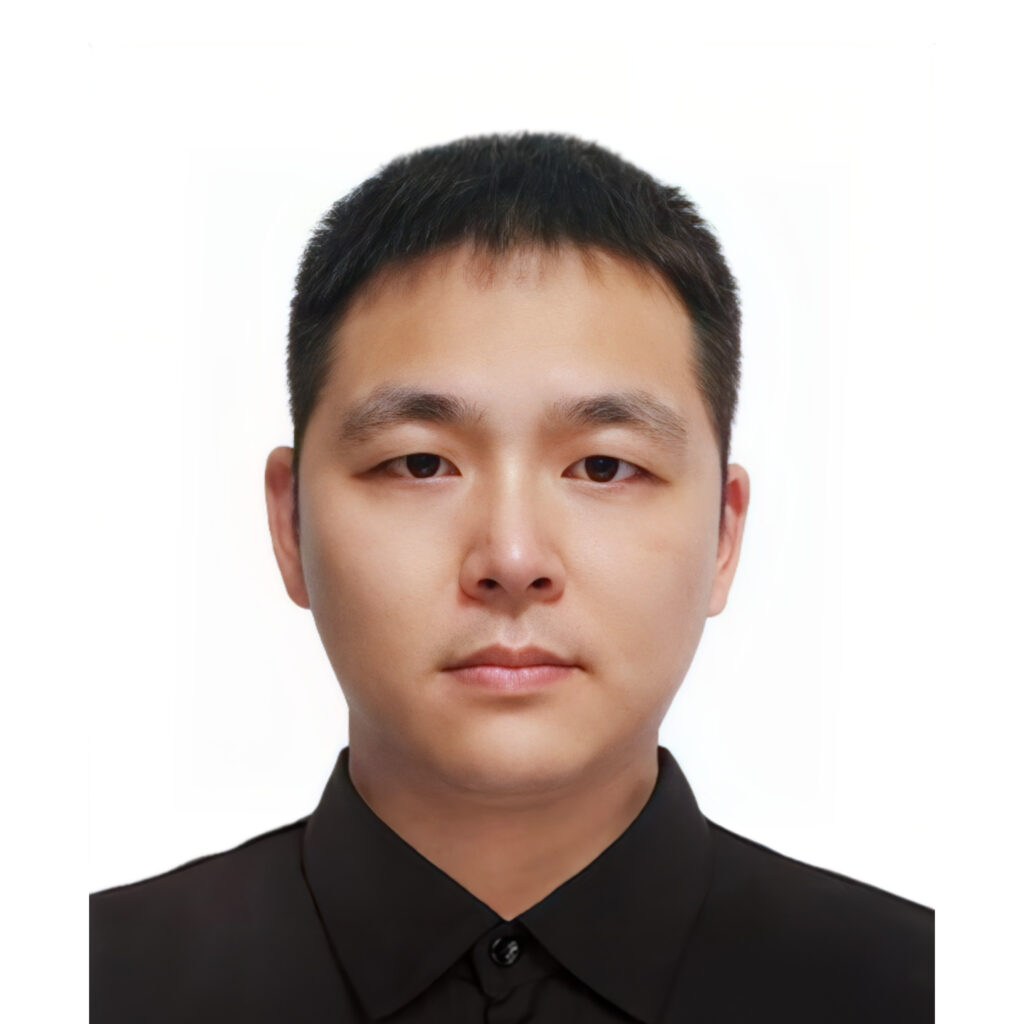
Dawei Jiang

Deputy Secretary
General of the Reproductive Health Special Committee of the China Population Culture Promotion Association

I joined the Academy to increase opportunities for exchanges with experts and become friends with them to explore more advanced knowledge and contribute to the scientific and technological progress of mankind.

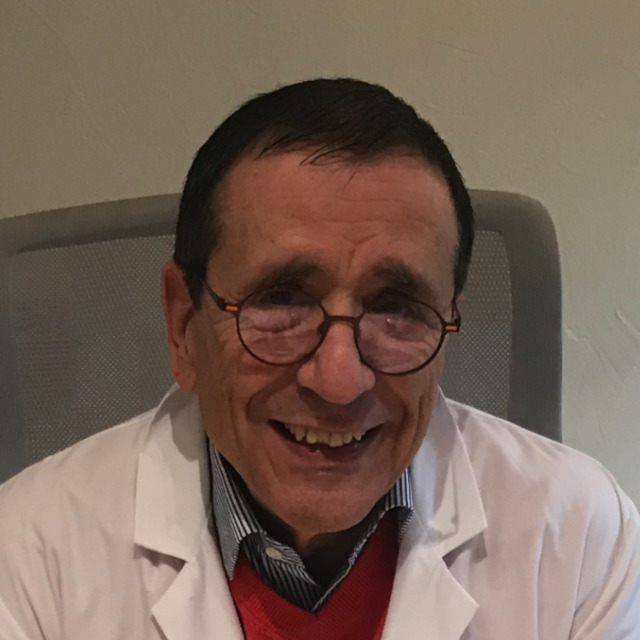
Maurice Yakoun, MD

Specializing in digestive surgery  

The Academy has offered opportunities for contact support and communications services as well as professional and personal development.

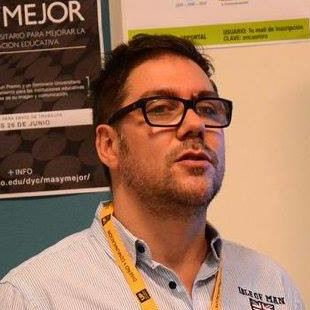
Federico Del Giorgio Solfa

Industrial Designer
National University of La Plata  

The Academy has allowed me to interact with academics from all over the world, share reflections and undertake joint initiatives. Likewise, from meeting people from different cultures, I have been able to deduce various methodologies for applied research.

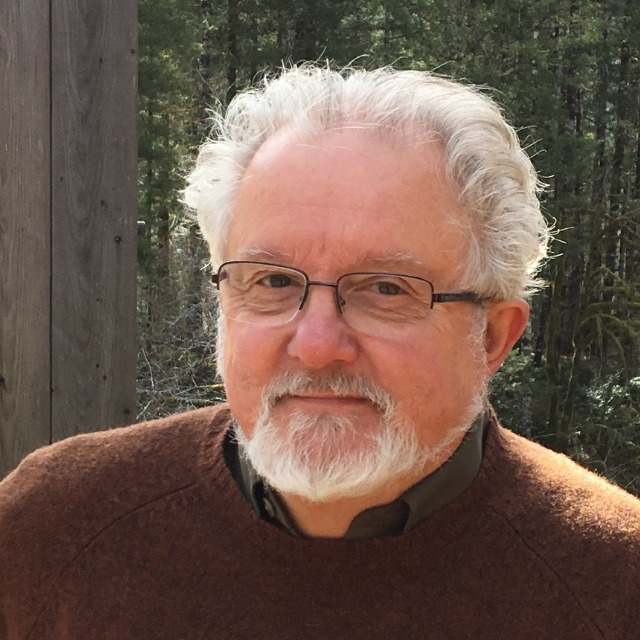
Richard W. Hurst

Forensic Geochemistry and Mineralogy Consultant 

I have been a member since December 1984 when I became an Elected Member of the Academy. I am heavily involved in forensic environmental work and have found the articles on energy, the environment, and related matters very useful in my endeavors over the years.

Staff Spotlight: Brooke Grindlinger, PhD

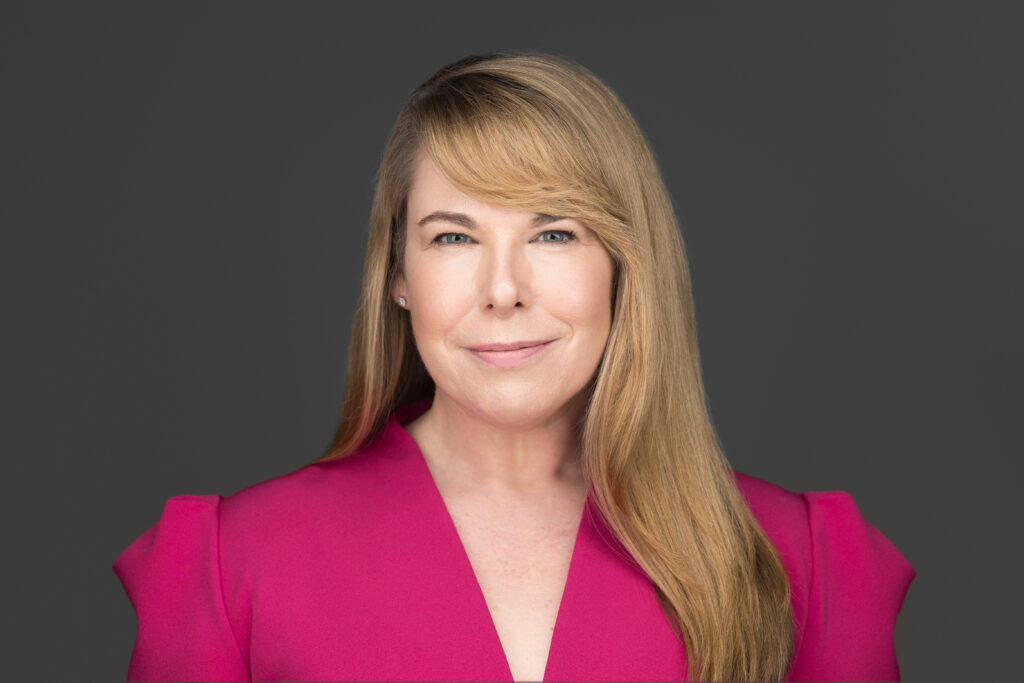
Headshot of Brooke Grindlinger

This series provides an opportunity to get up close and personal with the people who power The New York Academy of Sciences.

Published January 9, 2024

By Nick Fetty

Tell us what you do for the Academy.

As the Chief Scientific Officer at The New York Academy of Sciences, I lead the scientific development and growth of a diverse range of scientific programs, courses, and initiatives that support scientists-in-training, STEM professionals, as well as engage and educate science enthusiasts. By fostering collaborations among academia, industry, and government I help to drive advances in science and innovation for the betterment of society.

I also champion women in STEM, host thought-provoking conversations with scientific changemakers, and share my expertise through public speaking and writing to emphasize the pivotal role of science in shaping a brighter future for all.

What has so far been your proudest accomplishment working for the Academy?

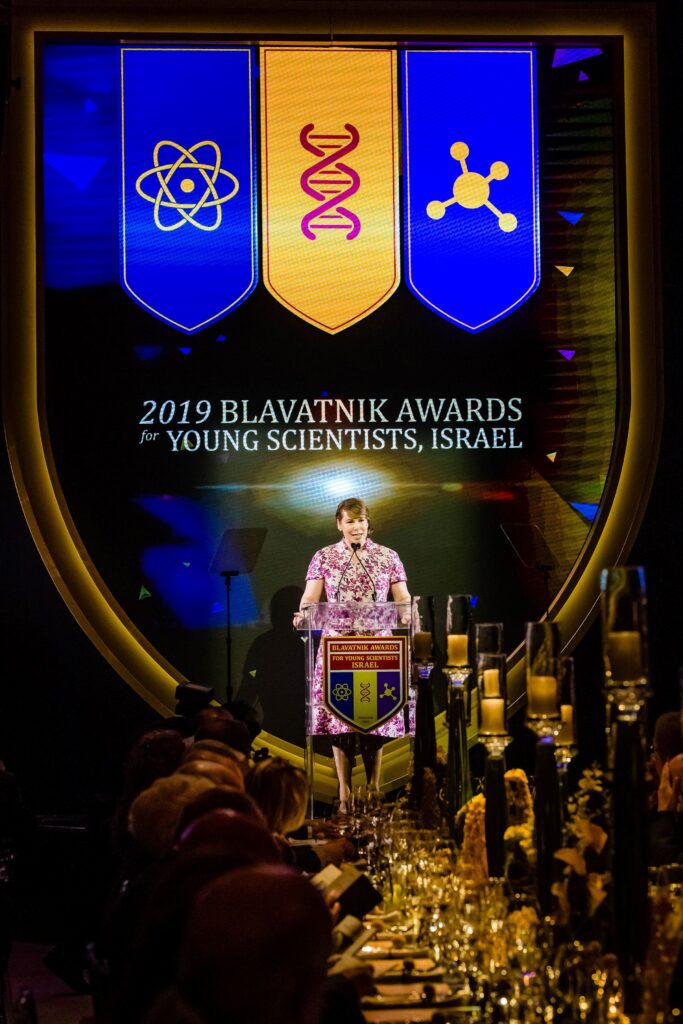
Brooke at the Inaugural Blavatnik Awards for Young Scientists, Israel

Undoubtedly, collaborating with billionaire philanthropist and industrialist Sir Leonard Blavatnik to launch the Blavatnik Awards for Young Scientists program in the United Kingdom and Israel, offering the largest unrestricted prizes for early-career scientists. This program supports pioneering young scientists doing research in areas such as climate change mitigation, pandemic preparedness, sustainable farming, renewable energy storage, mental health treatments, cybersecurity, and water purification.

It has been incredibly rewarding to help scientists at that critical — and often vulnerable — juncture in their career when they are transitioning from trainee to lead investigator. It’s a time when recognition and funding can have perhaps the greatest impact. I often have the privilege of calling the award recipients to surprise them with the news that they have won. It’s a great day at the office when someone bursts into joyful tears in response to your phone call. Helping others succeed is one of the best ways to leave your mark on the world.

There are also quiet moments, one-on-one with someone, that have made me proud of the work I do. I love to host engaging conversations with dynamite scientists about their latest discoveries, and in doing so hope to elicit in audiences the same awe and wonder that I feel about the science of the world around us. A high school-aged girl approached me during a coffee break at a public scientific symposium that I hosted in London in 2022. She grabbed my elbow and said, “You are so inspirational.” I see every second of my work as an opportunity to be a mentor and role model for aspiring young women who harbor dreams of becoming scientists.

Tell us about your STEM journey. How did you first become interested in science? How did you get to where you are today?

As an undergraduate student at university, I attended a lecture that had a reputation for turning stomachs, so much so that students were advised not to eat breakfast beforehand. Students were not required to take notes, just to watch and listen. What followed was a graphic slide show showing how infectious diseases can ravage the human body.

I left the lecture hall wondering: with all the organisms around us, on us, and inside us, how is it that we wake up essentially “healthy” every day? I was immediately hooked on the field of microbiology. As a graduate student in my native Australia, I studied the organism that causes tuberculosis, to develop a more effective vaccine against this now highly antibiotic-resistant infectious lung disease.

During college and graduate school, there were no female lecturers or women leading research labs in my field. This absence of female role models, mentors, and sponsors in scientific research made it challenging for me to envision a future for myself in the field. Back then, the typical paths for postgraduate research scientists were either securing a tenure-track faculty position at a university, combining research and teaching, or transitioning into the pharmaceutical or medical device industry.

Looking back, I didn’t have the inside scoop on alternative career options for PhD scientists beyond the lab. If I didn’t pursue a traditional academic career path I worried: Would I still be “a real scientist”? Unlike most early-career scientists, I found more satisfaction in writing my research thesis than in conducting bench research. Crafting the narrative, exploring the known and unknown, and revealing how my work contributed to a larger puzzle were my true passions. That was my signal that science communications might be my alternative career path.

I relocated from Australia to New York City in 2001 and joined the Editorial Board of The Journal of Clinical Investigation, a prestigious medical journal. As Science Editor, my responsibility was to identify, evaluate and solicit groundbreaking research from universities for publication. I had to swiftly shift from a niche science expert to a generalist, evaluating the work of fellow scientists and swiftly grasping cutting-edge research and treatments for many different human diseases. It was a remarkable chance to expand my biomedicine expertise, cultivate a global network of expert scientists, build my insider knowledge, and contribute to steering the direction of scientific research in the community, at scale.

As a medical journal editor, I frequented The New York Academy of Sciences, regularly participating in its scientific and medical conferences. I swiftly recognized the transferability of my technical and communication skills to the organization’s mission: bringing together top scientific minds to exchange new information and collaborate on science-based solutions for society’s pressing challenges.

Over a decade ago, I joined the Academy’s staff as the Director of the Life Sciences conference portfolio. Transitioning to the nonprofit sector marked another significant career pivot, my first foray into nonprofit business administration, a world apart from my expertise as a microbiologist. In addition to staying current with science and curating cutting-edge programming, my role expanded to include budget management for a standalone business unit, securing program sponsors and donors, negotiating partnerships and contracts, building and mentoring a team of former academic scientists (including many women), and serving as a spokesperson on various platforms to raise awareness of the Academy’s work.

This unique skill set combined science with business management; a path rarely envisioned at the start of a scientific career. Today, as CSO, on any given day my role might involve advocating for science-based policy changes at the United Nations, meeting with university or company leaders for collaborations, creating social media content celebrating women scientists during Women’s History Month, coaching young scientists on communication skills, or selecting deserving researchers for funding to support their ambitious scientific endeavors.

My scientific career represents a journey along the road less traveled — a shift not just from the traditional path of lab scientist to steering influential, mission-driven scientific initiatives, but also a response to the glaring absence of women role models in STEM, a desire to transition from deep expertise in a niche area to a comprehensive understanding of all facets of science and tech, and the need for trusted voices to challenge scientific misinformation. Once a singular force driving discovery in a niche domain, today as a C-suite leader of a nonprofit, I can empower countless scientists, shaping the collective future of science itself.

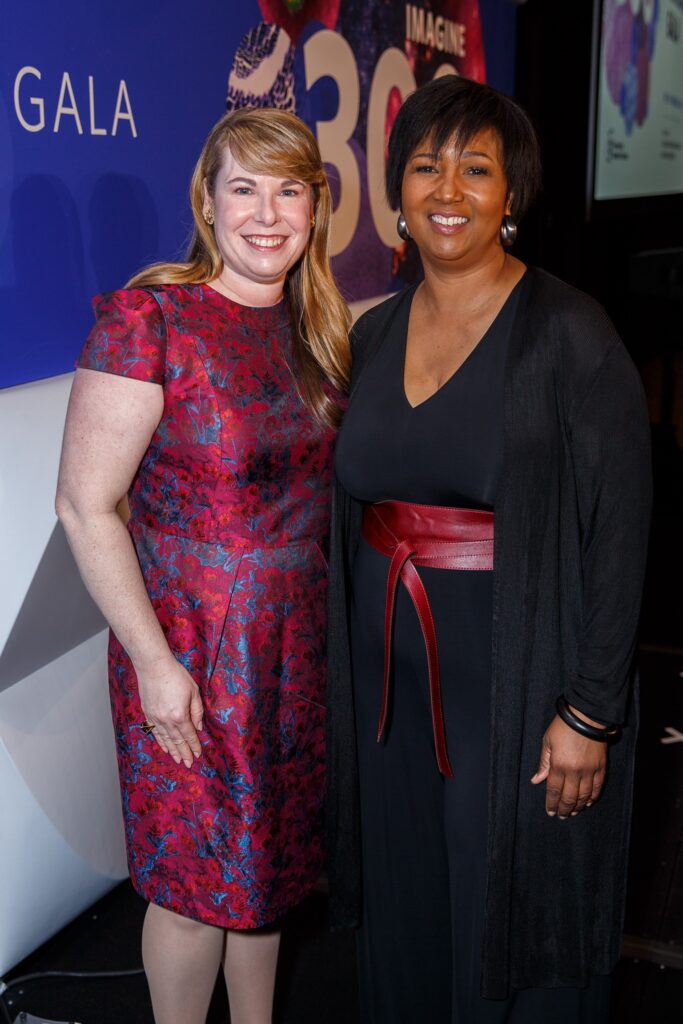
Brooke with Mae Jemison, 2017

Why, in general, are you proud to work for the Academy?

The Academy has brought together the leading minds in science to solve global challenges for over 200 hundred years. It’s a true privilege – for this moment in time – to serve as one of the stewards of scientific discovery, dialogue, and dissemination during the Academy’s history.

Why do you think science is so important to society?

Science nurtures our innate curiosity and is the primary tool for understanding the world around us. It transcends borders and cultures and leads to new discoveries and technological advances that improve our quality of life, from medicine to transportation.

Investment in science has led to economic growth and countless inventions that have evolved into products that today we’d all find hard to live without: from camera phones and the computer mouse to water purifiers and wireless headsets, from dust busters to memory foam mattresses. Science is also crucial for addressing environmental challenges like climate change and provides the data and analysis necessary for informed policymaking. The scientific discoveries made today will shape how our world looks over the coming century.

Which scientist (or scientists) would you most like to have dinner with and why?

Here’s who I’d love to have around my dinner table:

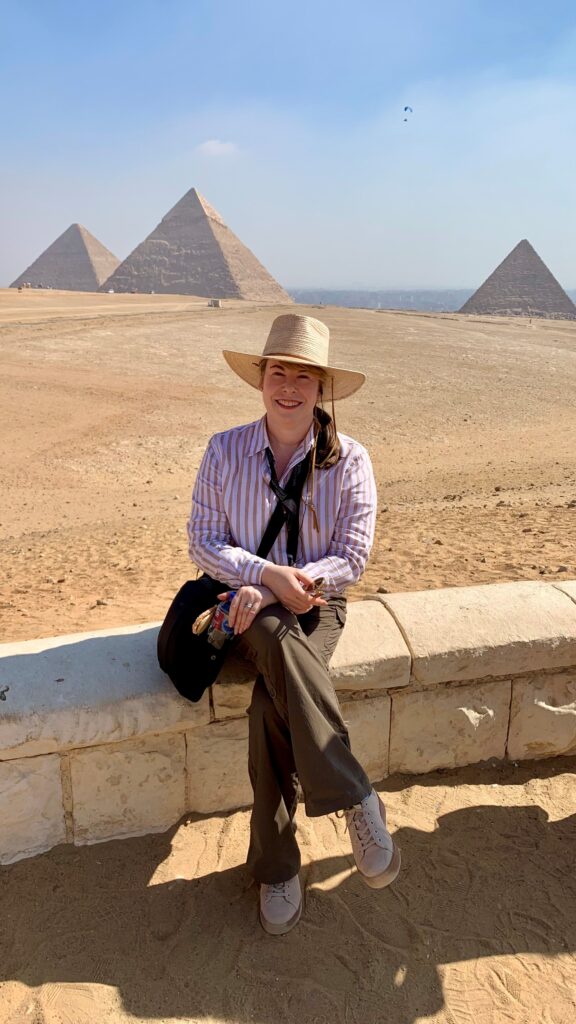
At the Pyramids at Giza, Egypt, 2023

One, the legendary naturalist and broadcaster Sir David Attenborough. His lifelong dedication to wildlife conservation and environmental advocacy has ignited global awareness and action for the planet’s well-being. And let’s not forget that voice!

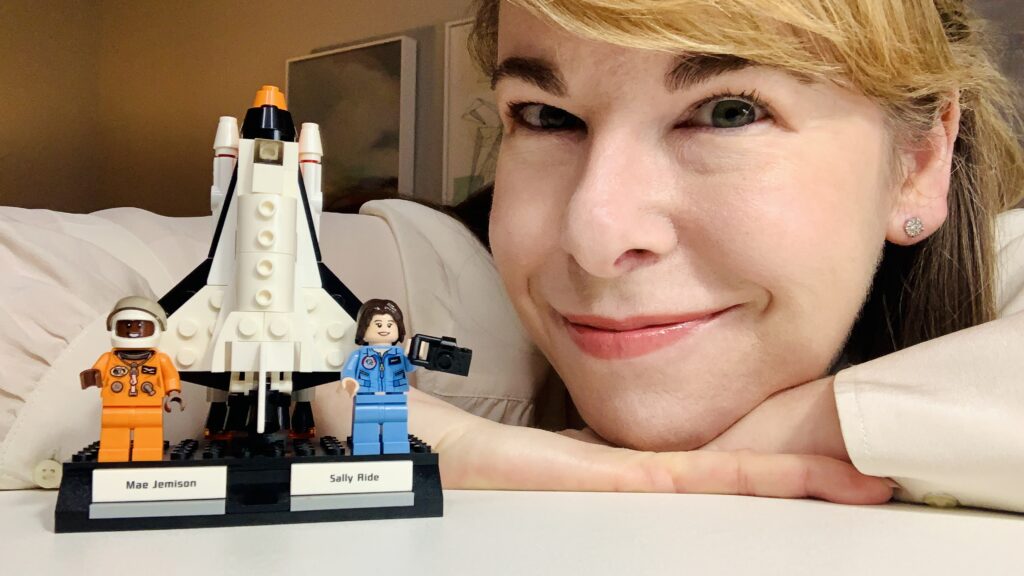
Two, astronaut, physician, and engineer Mae Jemison who made history by becoming the first African American woman to travel in space. She was a mission specialist on the Space Shuttle Endeavor launched in 1992. I met her at an Academy event in 2017 and had to try very hard not to cry with joy in what was a very special moment meeting an inspirational woman in STEM.

Three, primatologist Jane Goodall for her depth of understanding of chimpanzees and their behavior, and for promoting animal welfare and conservation.

Then, let’s throw in fictional intrepid archeologist Indiana Jones and the always rational, skeptical, and analytical FBI Special Agent Dana Scully from the X-Files. Add me as host, and my dinner table for six is complete!

What hobbies or interests do you have outside of work?

Travel, travel, travel — for the thrill of discovering new cultures, savoring exotic cuisines, forming connections with people from around the world, and marveling at the beauty and diversity of our planet. I just returned from exploring Egypt. The legacy of Egyptian engineering, seen in the precision of their architectural marvels, serves as a timeless testament to human creativity, innovation and determination.

Read more about impactful Academy staff members:

Board of Governors

Board

Chair

Immediate Past Chair

  • Jerry Hultin, Chair and Co-Founder, Global Futures Group, LLC

Vice-Chair

Treasurer

  • Amber Miller, President, William and Flora Hewlett Foundation

President

  • Nicholas B. Dirks, President and Chief Executive Officer, The New York Academy of Sciences

Corporate Secretary

Executive Associate to the Corporate Secretary

Governors

  • Armen Avanessians, Former Head and Chief Investment Officer, Goldman Sachs Asset Management’s (GSAM) Quantitative Investment Strategies Group
  • Serg Bell, Founder and Chairman, Constructor Group, and Founder, Acronis
  • MaryEllen Elia, President, Success for Students, Inc.; former Partner and Senior Fellow, International Center for Leadership in Education; former Commissioner of Education and President of The University of the State of New York
  • Thomas C. Franco, Senior Advisor, Clayton, Dubilier & Rice, LLC
  • Stacie Grossman Bloom, Vice Chancellor for Global Research and Innovation, Vice Provost for Research, Chief Research Officer, New York University
  • Aida Habtezion, Adjunct Professor of Medicine, Stanford University; Former Senior Vice President, Chief Medical Officer and Head of Worldwide Medical & Safety, Pfizer Inc.
  • Jerry Hultin, Chair and Co-Founder, Global Futures Group, LLC; Chair Emeritus, The New York Academy of Sciences
  • Seema Kumar, Chief Executive Officer, Cure.; former Global Head – Office of Innovation, Global Health and Scientific Engagement, Johnson & Johnson
  • Ravi Kumar S., Chief Executive Officer, Cognizant​
  • R. May Lee, President, Olin College of Engineering
  • Jeff Legos, Executive Vice President and Chief Oncology Officer at Pfizer
  • Jim Reddoch, EVP, Investments & CSO, Royalty Pharma
  • John Reed, Executive Vice President, Innovative Medicine, R&D, Johnson & Johnson
  • Lowell Robinson, Corporate Director and Advisor, Barnes & Noble Education
  • Laura Sachar, Managing Partner and Co-Founder, StarVest Partners
  • Konstantin Shakhnovich, Former Global Head of Trading, Citadel Asset Management; former Partner and Global Head of Systematic Market-Making, Goldman Sachs
  • Subra Suresh, President, Global Learning Council; Former President of Carnegie Mellon University, and former Director of the US National Science Foundation
  • Chandrika Tandon, Recognized Business Leader, Grammy Award Winning Artist, and Humanitarian
  • Peter Thorén, Executive Vice President, Access Industries
  • Grace Wang, 17th President of Worcester Polytechnic Institute
  • Jeremy Wertheimer, Chief Executive Officer, Biological Engineering Ventures
  • H. Michael Wiliams, Accomplished executive leader in the global financial marketplace, intercollegiate athletics arena, and non-profit sector.
  • George D. Yancopoulos, Co-Founder, President and Chief Scientific Officer, Regeneron
  • Michael Young, Nobel Laureate; Richard and Jeanne Fisher Professor and Vice President for Academic Affairs, The Rockefeller University

Life Governors

  • Natarajan Chandrasekaran, Chairman of the Board, Tata Sons
  • Paul Horn, Executive Chair and Founding Partner, Venly; Distinguished Scientist in Residence, New York University; former Senior Vice Provost for Research, New York University; former Senior Vice President and Director of IBM Research
  • Pablo Legorreta, Founder & CEO, Royalty Pharma
  • Torsten Wiesel, Nobel Laureate; President Emeritus and Vincent and Brooke Astor Professor Emeritus, The Rockefeller University; former Secretary-General, Human Frontier Science Program Organization

International Board of Governors

  • Seth F. Berkley, Chief Executive Officer, Gavi, The Vaccine Alliance
  • Gerald Chan, Chairman, Chief Executive Officer and Co-Founder, Morningside Group
  • S. “Kris” Gopalakrishnan, Co-founder, Infosys; Chairman, Axilor Ventures
  • Toni Hoover, Director, Strategy Planning and Management, The Bill and Melinda Gates Foundation
  • Johan Rockström, Director, Potsdam Institute for Climate Impact Research and Professor, Earth System Science, University of Potsdam
  • Paul Stoffels, Chief Executive Officer and Chairman, Galapagos NV; Former Chief Scientific Officer, Johnson & Johnson

Emeriti

Chairs Emeriti

  • Jerry Hultin (2019-2024), Chair and Co-Founder, Global Futures Group, LLC
  • Paul Horn (2016-2019), Executive Chair and Founding Partner, Venly; Distinguished Scientist in Residence, New York University; former Senior Vice Provost for Research, New York University; former Senior Vice President and Director of IBM Research
  • Nancy Zimpher (2011-2016), Chancellor Emeritus, The State University of New York
  • John E. Sexton (2007-2011), Former President, New York University
  • Torsten N. Wiesel (2001-2006), Nobel Laureate; President Emeritus and Vincent and Brooke Astor Professor Emeritus, The Rockefeller University; former Secretary-General, Human Frontier Science Program Organization

President Emeritus

  • Ellis Rubinstein, Former President and Chief Executive Officer, The New York Academy of Sciences

President’s Council

  • Peter Agre, Nobel Laureate; University Professor and Director, Johns Hopkins Malaria Research Institute; Department of Molecular Microbiology and Immunology, Bloomberg School of Public Health
  • Richard Axel, Nobel Laureate; University Professor, Columbia University; Investigator, HHMI
  • Etienne-Emile Baulieu, Former President, French Academy of Sciences
  • Len Blavatnik, Founder, Access Industries
  • Irina Bokova, Former Director General, United Nations Educational, Scientific, and Cultural Organization (UNESCO)
  • Michael S. Brown, Nobel Laureate; Professor of Molecular Genetics, University of Texas Southwestern Medical Center
  • Linda Buck, Nobel Laureate; Investigator, HHMI; Member of the Fred Hutchinson Cancer Research Center
  • Karen E. Burke, Dermatologist and Research Scientist
  • Thomas R. Cech, Nobel Laureate; Distinguished Professor, University of Colorado Boulder
  • Martin Chalfie, Nobel Laureate; University Professor of Biological Sciences, Columbia University
  • Aaron J. Ciechanover, Nobel Laureate; Distinguished Research Professor, Tumor and Vascular Biology Research Center, Faculty of Medicine, Technion-Israel Institute of Technology, Israel
  • Kenneth L. Davis, President and CEO of the Mount Sinai Health System in New York City
  • Peter Doherty, Nobel Laureate; Researcher, St. Jude Children’s Research Hospital (Memphis, TN); Researcher, the Department of Microbiology and Immunology, University of Melbourne
  • Mikael Dolsten, Former President, Worldwide Research and Development; Former Senior Vice-President, Pfizer Inc.
  • Jan Eliasson, Former Deputy Secretary-General to the United Nations
  • Jerome I. Friedman, Nobel Laureate; Institute Professor & Professor of Physics, Emeritus, Massachusetts Institute of Technology
  • Joseph Goldstein, Nobel Laureate; Chairman, Molecular Genetics, University of Texas Southwestern Medical Center
  • S. Kris Gopalakrishnan, Chairman, Axilor Ventures / Co-founder Infosys
  • Glenda Greenwald, President, Aspen Brain Forum Foundation
  • William A. Haseltine, President, The Haseltine Foundation for Medical Sciences and the Arts; Chairman, Haseltine Global Health, LLC
  • Hon. Jerry MacArthur Hultin, Senior Presidential Fellow, New York University; President Emeritus, Polytechnic Institute of NYU; Former Under Secretary of the Navy
  • Eric Kandel, Nobel Laureate; Professor, Physiology and Cell Biology, Columbia University
  • Kiyoshi Kurokawa, Former Science Advisor to the Prime Minister of Japan; Professor, National Graduate Institute for Policy Studies (GRIPS)
  • Gregory Lucier, Chief Executive Officer, Corza Health
  • Roderick MacKinnon, Nobel Laureate; John D. Rockefeller, Jr. Professor, Rockefeller University; Investigator, HHMI
  • Richard Menschel, Senior Director, Goldman Sachs
  • Ronay Menschel, Chairman of the Board, Phipps Houses; Board of Overseers, Weill Cornell Medical College
  • David K.A. Mordecai, Co-Managing Member, Numerati® Partners LLC, RiskEcon® Lab for Decision Metrics @ Courant Institute for Mathematical Sciences NYU, and Co-Founder, Risk Economics, Inc.
  • John F. Niblack, Former President, Pfizer Global Research & Development
  • Paul Nurse, Nobel Laureate; Former President, The Rockefeller University; Former President, The Royal Society, London; Chief Executive, The Francis Crick Institute
  • Yoshinori Ohsumi, Nobel Laureate; Professor, Institute of Innovative Research, Tokyo Institute of Technology (IIR)
  • Venkatraman Ramakrishnan, Nobel Laureate; Former President, the Royal Society
  • Richard Roberts, Nobel Laureate; Chief Scientific Officer, New England Biolabs
  • James E. Rothman, Nobel Laureate; Yale University School of Medicine, Fergus F. Wallace Professor of Cell Biology and Professor of Chemistry; Chairman, Department of Cell Biology; Director, Nanobiology Institute
  • Bengt Samuelsson, Nobel Laureate; Professor, Medical and Physiological Chemistry, Karolinska Institute; Former Chairman, The Nobel Foundation
  • Ismail Serageldin, Director, Bibliotheca Alexandrina, The Library of Alexandria, Egypt
  • Phillip A. Sharp, Nobel Laureate; Director, The McGovern Institute, MIT Center for Cancer Research
  • Feike Sijbesma, CEO/Chairman of the Managing Board, Royal DSM
  • Michael Sohlman, Former Executive Director, The Nobel Foundation
  • Paul Stoffels, Chief Scientific Officer, Johnson & Johnson; Member of the Johnson & Johnson Executive Committee and Management Committee; Worldwide Co-Chairman, Pharmaceuticals Group
  • Jack W. Szostak, Nobel Laureate; Investigator, Howard Hughes Medical Institute; Professor of Genetics, Harvard Medical School; Professor of Chemistry and Chemical Biology, Harvard University; Alex A. Rich Distinguished Investigator, Department of Molecular Biology, Massachusetts General Hospital
  • Marc Tessier-Lavigne, Former President, Stanford University
  • Craig B. Thompson, President and CEO, Memorial Sloan Kettering Cancer Center
  • Shirley Tilghman, President Emerita/Professor of Molecular Biology, Princeton University
  • Frank Walsh, Chief Executive Officer, Ossianix, Inc.
  • George Whitesides, Woodford L. & Ann A. Flowers University Professor, Harvard University
  • Torsten N. Wiesel, Nobel Laureate; Chairman Emeritus, The New York Academy of Sciences; Former Secretary General, Human Frontier Science Program Organization; President Emeritus, Rockefeller University
  • Frank Wilczek, Nobel Laureate; The Herman Feshbach Professor of Physics, MIT
  • Ernst-Ludwig Winnacker, Secretary General, Human Frontier Science Program; Former Secretary General, European Research Council; Former President, Deutsche Forschungsgemeinschaft, Germany
  • Andrew Witty, Former Chief Executive Officer, GlaxoSmithKline
  • Tan Sri Zakri Abdul Hamid, Science Adviser to the Prime Minister of Malaysia
  • Elias Zerhouni, Former Head of Global Research and Development, Sanofi

Board Voices

Board Spotlight

Annual Report & Audited Financials

The Annual Report offers our members, supporters, and the global scientific community a snapshot of the most impactful accomplishments of the year.

Fiscal Year 2024 Annual Report

Fiscal Year 2023 Annual Report

Fiscal Year 2022 Annual Report

Fiscal Year 2021 Annual Report

Fiscal Year 2020 Annual Report

Fiscal Year 2019 Annual Report

Fiscal Year 2018 Annual Report

Fiscal Year 2017 Annual Report

Fiscal Year 2016 Annual Report

Fiscal Year 2015 Annual Report

The New York Academy of Sciences’ financials are reviewed annually by independent auditors and provided to the IRS with the information required for tax-exempt organizations by filing Form 990.

Fiscal Year 2024 Audited Financials

Fiscal Year 2024 Form 990

The Academy Hosts Open House to Inaugurate Its New Headquarters

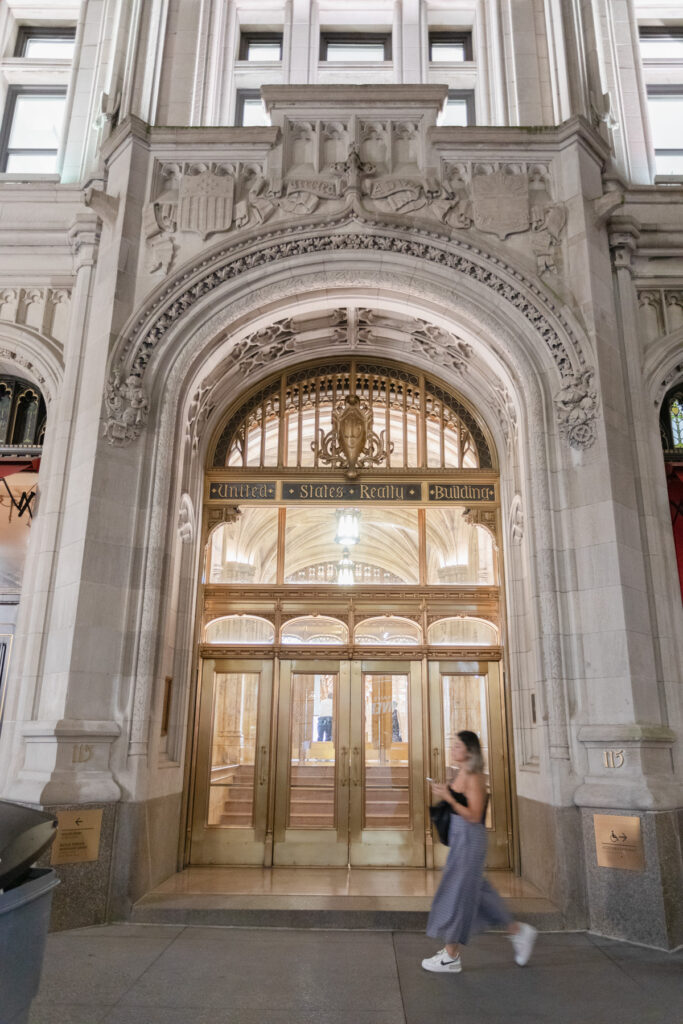
AN exterior shot of the U.S. Realty Company building in lower Manhattan.

The Academy moved into the landmark building at 115 Broadway last May and celebrated by hosting almost 200 scientists and science enthusiasts for a special panel discussion and networking reception.

Published September 25, 2023

By David Freeman

Entrance to the Academy’s new headquarters at 115 Broadway

The New York Academy of Sciences inaugurated its new headquarters in Manhattan’s Financial District on September 14, 2023, with an Open House that hosted almost 200 scientists and science enthusiasts on the eighth floor of the U.S. Realty Building, a neo-Gothic skyscraper erected in 1907. The Academy moved into the landmark building at 115 Broadway last May.

The festive gathering opened a new chapter in the Academy’s 206-year history and marked the resumption of its robust program of in-person events. It featured science-themed interactive displays and idea boards on which attendees posted notes jotted in response to questions such as “What recent developments in green tech do you find most promising?” and “What do you think will be among the diseases cured by gene-editing techniques such as CRISPR Cas9?”

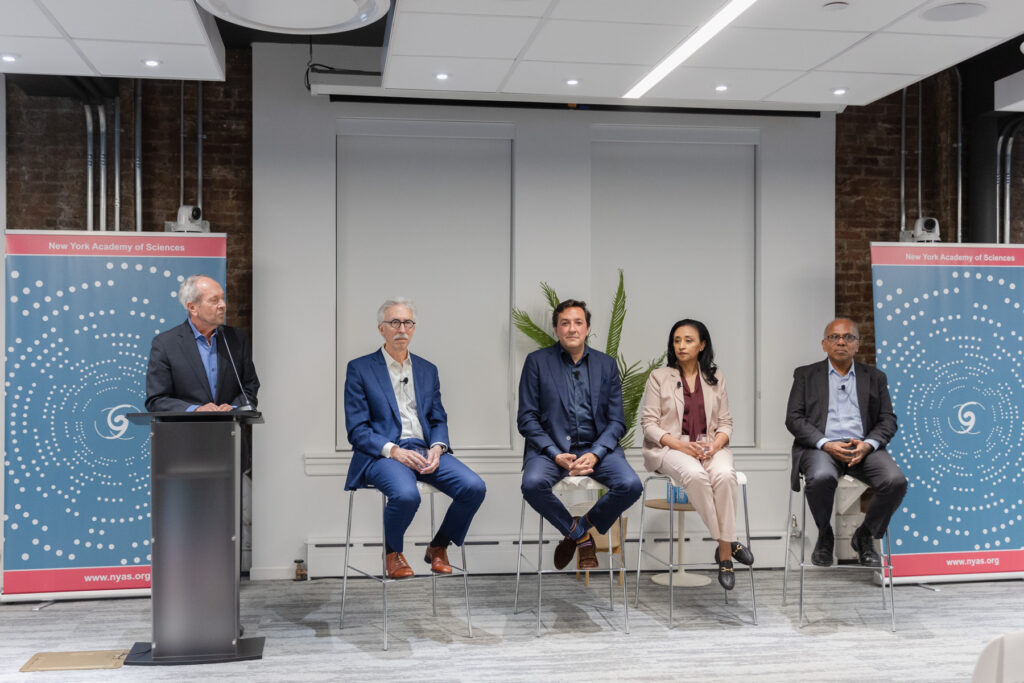
Attendees were also treated to a panel discussion on the future of science moderated by Nicholas B. Dirks, the Academy’s President & CEO, followed by remarks from the Chair of the Academy’s Board of Governors, Hon. Jerry Hultin.

“It’s great to have you here for the first open house,” Dirks told the audience before introducing the panelists, all members of the board. “We’ve held a few conferences here but nothing quite like this.”

Dirks asked the panelists to discuss “things that they are keeping their eyes on, both in terms of opportunities but also challenges and potential dangers.”

Advances in Quantum Computing

Darío Gil, PhD, senior vice president and director of research at IBM, predicted that a new generation of quantum computers—which perform calculations using quantum mechanical analogs of the zero and one binary digits, or bits, used by classical computers—would bring “exponential advancements” in the ability to simulate the physical world. As a result, he said, quantum computing would find wide use in chemistry, materials science, physics, and biology and “help us tackle some of the most pressing and important problems” facing humanity.

“That’s going to matter for everything from fertilizers for agriculture to new alloys for aerospace or batteries for automotive or new molecules in biology,” Dr. Gil said, adding that quantum computing would also transform encryption systems.

“We have not yet quite crossed a threshold where we can do things that are impossible to do with classical machines,” he said. “But that crossover is going to happen … it’s going to happen a hundred percent in this decade.”

Science in the Development of Vaccines

Panel on the Future of Science
(from L) Hon. Jerry Hultin, Board Chair, The New York Academy of Sciences; Nicholas Dirks, President & CEO, The New York Academy of Sciences; Darío Gil, PhD, senior vice president and director of research at IBM; Aida Habtezion, MD, chief medical officer and head of worldwide medical & safety at Pfizer; Subra Suresh, PhD, former director of the National Science Foundation and former President of Carnegie Mellon

Aida Habtezion, MD, chief medical officer and head of worldwide medical & safety at Pfizer, detailed the key role that data science played in the rapid development of Covid vaccines. She said the confluence of artificial intelligence (AI) and machine learning, in particular, would speed the development of more new vaccines and drugs and better ensure their safety and effectiveness for large populations.

“Engineering is now actually moving into medicine, what we thought traditionally was a separate field,” Dr. Habtezion said.

Nanotechnology and Artificial Intelligence

Subra Suresh, PhD, former director of the National Science Foundation and former President of Carnegie Mellon, referenced the merging of technologies as an important trend in scientific research. He described recent experiments in which nanotechnology used in conjunction with Artificial Intelligence (AI) had given scientists key insights into altering the properties of diamond and other semiconductor materials. “No supercomputer available today can do this,” he said of the research, adding that similar work might yield new advances in microelectronics and energy storage.

Dr. Suresh made the case that AI may approach problems and conceive new inventions in ways that humans find hard to do. For example, he said, chess-playing AI has shown a willingness to sacrifice one’s queen as a route to victory—a gambit few human chess players are bold enough to try. And humans can be surprisingly slow to recognize opportunities even for simple but high-value innovations. To illustrate that point, he shared the observation that “the first patent for putting a wheel on a suitcase was filed after Neil Armstrong” set foot on the moon.

“Innovation comes in many different shades,” Dr. Suresh said. “There are sexy ones and not-so-sexy ones, and here is an example of a not-so-sexy one which is a lot more useful on a day-to-day basis for hundreds of millions of people.”

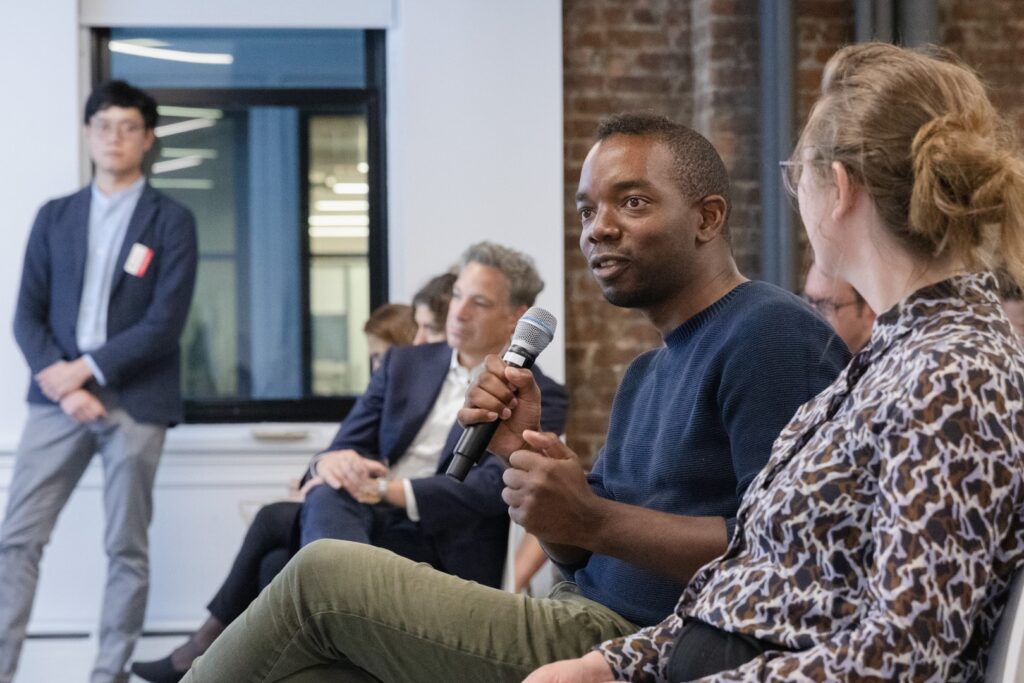
Zenna Tavares, co-founder and director, Basis AI

In his remarks, Jerry Hultin thanked the attendees for supporting the academy and reminded them that some of history’s greatest thinkers had been members. “We’re very proud of the fact that Thomas Jefferson, Charles Darwin, Margaret Mead all belonged to the Academy,” he said. “I think they’d be impressed tonight to know where the Academy has come to.”

Making Their New Space “Home”

Speaking after the event, Dirks said he hoped the new headquarters would become “one of the principal spaces for convening debates, deliberations, explorations into the best way to shape science going forward…My hope is that we become not only the virtual go-to space but we actually become the physical go-to space where people think ‘this is the place where I can hang out, I can interact with really interesting, smart people, I can engage in conversations that reflect the academy’s fundamental purpose.’”

The headquarters—its walls hung with science-inspired artwork on loan from artists throughout NYC laboratories and Cape Cod –occupies about 20,000 square feet, roughly half of which is set aside for events. The new offices are just a few blocks away from where the Academy was founded in 1817 at the College of Physicians and Surgeons on Barclay Street near Broadway.

The open house was made possible through the generous support of: Columbia Engineering, Kasirer, AKA Strategy, BenefitPlan Manager, EisnerAmper, and NYU.

Watch the video recording of the panel discussion on the Future of Science

Working at the Academy

The New York Academy of Sciences’ staff share a constructive spirit and a willingness to take responsibility to address the challenges faced by society through scientific enterprise. Our organizational culture fosters openness, inclusivity, and innovation, and we are proud to work with a network of like-minded partners worldwide to deliver high-quality programs and publications to our members and beyond. 

At the Academy, supervisors utilize a comprehensive onboarding plan to guide new employees during their first six months, equipping them with the necessary tools and resources for success. Through a structured approach to goal-setting and by providing continuous feedback throughout the year, employees are supported in achieving success matching their role’s objectives. 

In the age of the hybrid workplace, the Academy is committed to finding new ways to enhance employee connections with their colleagues while building collaborative cross-functional teams.

Supporting the ongoing development of the whole person fosters long-term talent retention, and to that end, we encourage employees to shape their Academy experience to align with their purpose and future goals. 

The Academy relies on our employees and partners to serve as ambassadors who adhere to the following principles, which guide us toward achieving our organizational goals: 

  • Excellence: We maintain high standards and ambitious goals across all programs and services.
  • Passion: We are inspired by the potential of science to make a positive impact.
  • Integrity: We cultivate an environment of trust, respect and credibility.
  • Ingenuity: We value creativity, innovative thinking, open-mindedness, resourcefulness and efficiency.
  • Collaboration: We encourage teamwork, knowledge sharing and partnerships.
  • Commitment to the Public Good: We tackle society’s challenges and aim to improve the human condition through scientific enterprise.

Job Openings

What We Do

Through a collective action approach, the Academy promotes holistic, innovative solutions to advance the sciences for the economic and social wellbeing of society through research, education and policy.

Read More >

Mission & Values

The mission of The New York Academy of Sciences is to drive innovative solutions to society’s challenges by advancing scientific research, education, and policy.

Read More >

Working with Us

We encourage our employees to shape their Academy working experience so it aligns with their personal sense of purpose and future goals.

Read More >