New Insight into the Evolutionary History of Urban Mosquitoes

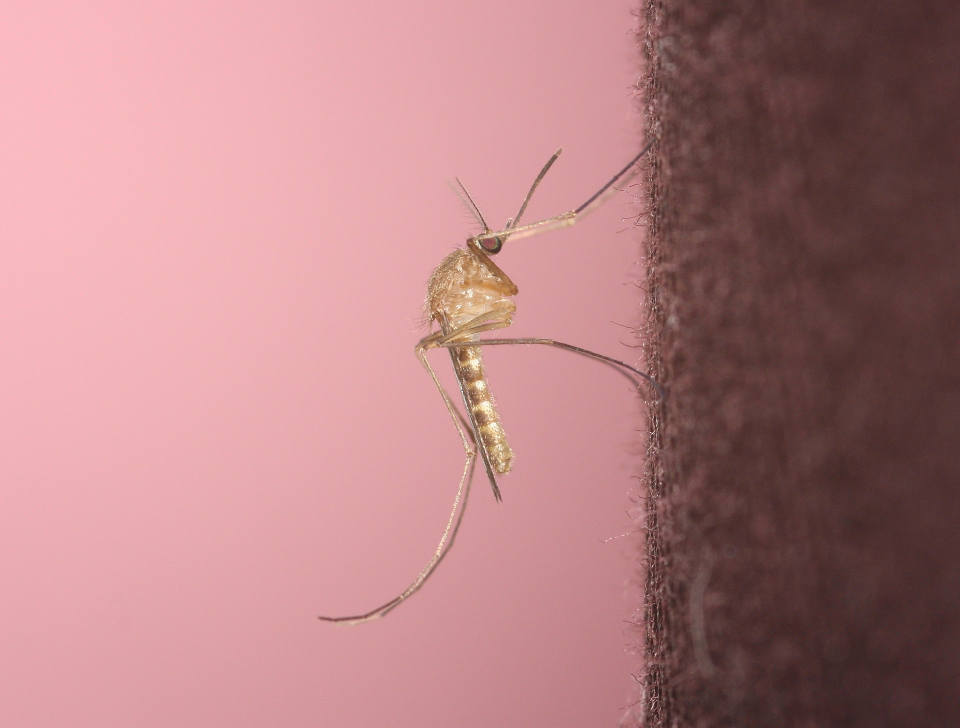
A mosquito.

A new ‘Science’ paper by a Leon Levy Scholar on the London Underground Mosquito suggests that their ability to adapt to urban environments dates back further than previously thought.

Published October 31, 2025

By Nick Fetty

Magnified image of the Cx. pipiens body. Image by David Barillet-Portal via Wikimedia Commons. Licensed via CC BY-SA 3.0. No changes made to the original work.

Culex pipiens form molestus, more commonly known as the London Underground Mosquito, has long been an example of the potential speed and complexity of urban adaptation.

Through years of underground habitation in the subways and cellars of northern Europe, the species is thought to have evolved from its bird-biting ancestors to an  urban form, called molestus, that bites humans and other mammals. This is of interest to scientists because this characteristic within this species is thought to have contributed to the spread of West Nile virus in the United States and southern Europe over the past 20 years. While previous research has suggested that the mosquito evolved human-biting and other human-adaptive characteristics over the previous two centuries, new research published in the journal Science now shows this evolutionary history could date back more than 1000 years.

The paper was published in Science on October 23rd by a team of researchers, including first author Yuki Haba, PhD, a 2025 Leon Levy Scholar in Neuroscience. Named for the late philanthropist Leon Levy and administered by The New York Academy of Sciences, the Leon Levy Scholarships in Neuroscience aim to promote groundbreaking neuroscience research in New York City. The scholarship supports the most innovative young researchers during their postdoctoral research, which is a critical stage of their careers.

Analyzing Population Genomics

Dr. Haba built upon the research he did as a doctoral student at Princeton University. He applied his expertise in population genomics to the recent paper.

“As a behavioral and evolutionary scientist, I have been very much interested in the evolution of mosquitoes – whose human-biting behavior and the ability to vector deadly diseases are a threat to millions of people,” says Dr. Haba, who also serves as a postdoc at The Mortimer B. Zuckerman Mind Brain Behavior Institute at Columbia University. “I, together with my advisor Lindy McBride and more than 200 collaborators across the world, generated and analyzed the first global population genomic dataset of Culex pipiens, an important human-biting species. My expertise in population genomics was particularly helpful in analyzing large-scale datasets as well as in deciphering ecological contexts in which the human-biting mosquito originated.”

The research team sequenced the whole genomes of approximately 350 contemporary and historical Cx. pipiens mosquitoes from 77 populations across Europe, North Africa, and western Asia. They then used population genomic analysis, focusing on population structure, derived allele-sharing, phylogeny, and cross-coalescence, to better understand molestus’ evolutionary history.

“Our genomic data also provide a major revision to our understanding of gene flow between bird- and mammal-biting forms,” the researchers write. “We found that genetic signatures researchers previously ascribed to between-form hybridization instead reflect ancestral variation within bird-biting populations.”

Continuing to Evolve

The researchers now believe that molestus first started adapting to human environments more than 1000 years ago in the Mediterranean basin, likely Ancient Egypt or a similar early agricultural society.

“Rather than benchmarking the speed and complexity of urban evolution, this updated history highlights the role of early human society in priming taxa for colonization of modern urban environments,” the researchers conclude. “Our work also revises our fundamental understanding of gene flow in this important vector and opens the door to incisive investigation of the potential links between urbanization, hybridization, and arbovirus spillover to humans.”

Even though the researchers have shown that molestus has ancient origins, that doesn’t mean evolution has stopped. Once these mosquitoes moved underground, they faced a very different set of challenges — including the scarcity of hosts. In those settings, females that can lay eggs without a blood meal (a trait called autogeny) have a big advantage. This behavior and physiology are almost universal in northern underground populations but much less frequent in Egypt and surrounding regions.

“One exciting question for future research is whether that’s a bona fide recent, rapid adaptation to underground life, and whether it evolved just once or multiple times independently,” says Dr. Haba. “We think our study also has important and exciting public health implications, because molestus isn’t just a fascinating evolutionary story, it’s also a major vector for disease.”

New Avenues of Research

Aboveground molestus was once the primary carrier of a human-specific filarial parasite in Egypt, and it’s been implicated in the transmission of West Nile virus and other pathogens across Eurasia and North America. The researchers found that hybridization between bird-biting pipiens and human-biting molestus — which allows viruses to jump from birds to humans (referred to as ‘viral spillover’) — is much rarer than previously believed. What earlier studies interpreted as “mixing” often reflects shared ancient ancestry instead. But where hybridization does occur, it’s linked to human population density — meaning it happens more often in urban areas.

This finding gives researchers a new framework to explore how urbanization, gene flow, and disease transmission are all connected.

“By disentangling ancient variation from true hybridization events, we may be able to better predict where mosquitoes capable of bridging bird-to-human transmission might emerge,” says Dr. Haba. “We suggest future surveillance should incorporate as much genomic data and analyses as possible, so that we can better understand the links between urbanization, gene flow, ancestral variation, and viral spillover.”


Read the full paper.

2026 Annual Symposium for the Leon Levy Scholarships in Neuroscience

An orange and white graphic.

May 7, 2026 | 8:30 AM – 5:00 PM ET

The 2026 Annual Symposium for the Leon Levy Scholarships in Neuroscience is the flagship event for this highly competitive program. Presented by The New York Academy of Sciences in partnership with the Leon Levy Foundation, this Symposium is open to esteemed members of the local neuroscience community by invitation only. Current Leon Levy scholars from the 2025 cohort will be introducing their research proposals, while scholars from the 2023 and 2024 cohorts will be presenting updates on their research. Attendees will have ample opportunity to network with scholars, mentors, PI’s, program alumni and other prominent New York City based neuroscientists.

The Leon Levy Scholarships in Neuroscience aim to promote groundbreaking neuroscience research in the five boroughs of New York City. The scholarships support the most innovative young researchers at a critical stage of their careers—their postdoctoral research—as they develop new ideas and directions to help establish them as independent neuroscientists. To learn more about the program or request an invitation, click here or contact us at leonlevy@nyas.org.

Download the Agenda

Sponsor

Keynote Speaker

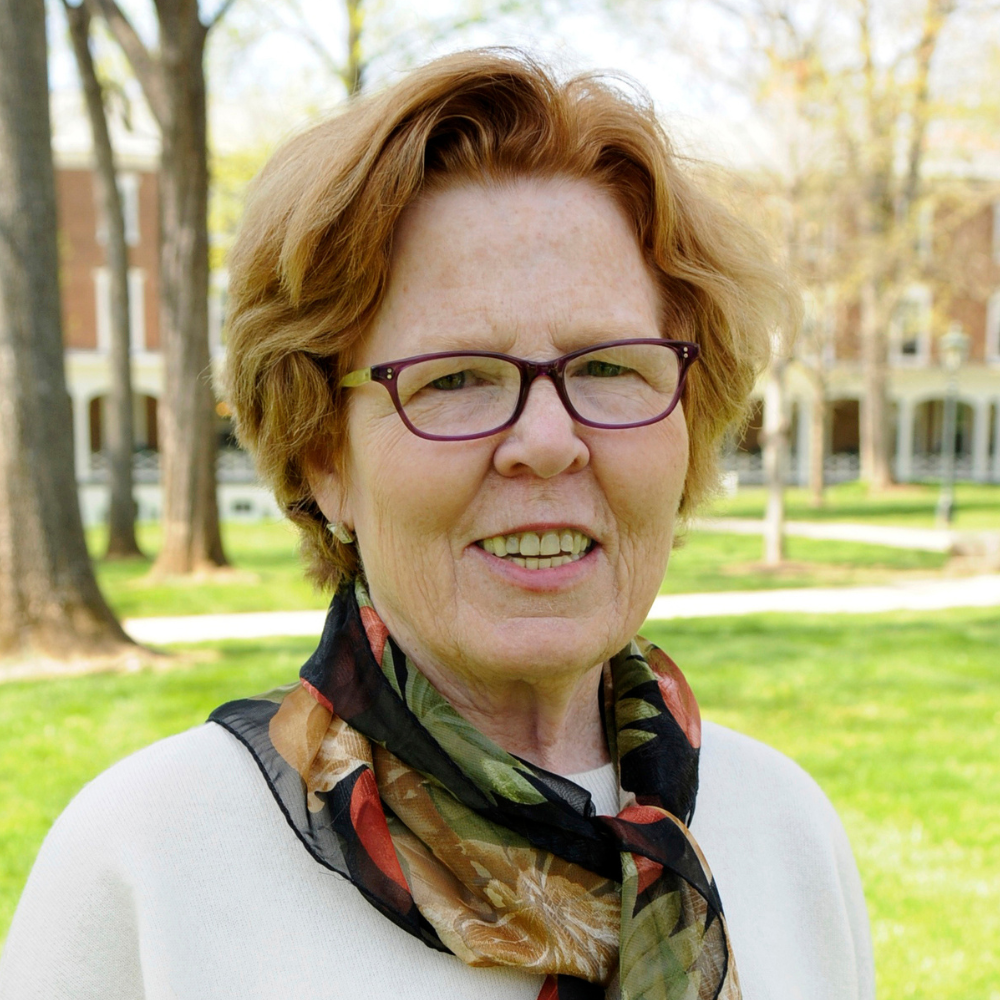
Mary E. Hatten, PhD

Mary E. Hatten, Ph.D. is the Frederick P. Rose Professor and Head of the Laboratory of Developmental Neurobiology at the Rockefeller University and Co-Director of the Shelby White and Leon Levy Center for Mind, Brain and Behavior at Rockefeller. She has made landmark discoveries on the mechanisms underlying glial-guided migration, a critical process in brain histogenesis. Her lab discovered the Astrotactin gene family, which function as neuron-glial ligands in migration and are implicated in a broad range of neurodevelopmental disorders including autism and ADHD. In recent work she developed robust protocols to differentiate the two principal human cerebellar neurons, Purkinje cells and granule cells from human pluripotent stem cells or patient-derived human induced pluripotent stem cells. To model cerebellar circuits, she has engineered a microfluidic system in which to culture purified human PCs or GCs in laminae that mimic the layered architecture of the cerebellar cortex.

Dr. Hatten received a B.A. from Hollins College, a Ph.D. from Princeton University and postdoctoral research at Harvard Medical School. Among other awards, she is the recipient of the Ralph W. Gerard Prize for Lifetime Achievement from the Society for Neuroscience and is a member of the National Academy of Sciences USA, the National Academy of Medicine USA and the American Academy of Arts and Sciences.

Abstract

In early phases of mammalian brain development glial-guided neuronal migration establishes the laminar organization of cortical brain regions. The Astrotactin gene family provides a neuron-glial ligand for glial migration with ASTN1 serving as an adhesion protein and ASTN2 regulating the turnover of ASTN1 and trafficking of synaptic proteins.  Recent studies on human patients ASTN variants show severe neuro-developmental disorders (NDDs) in both cerebellum, cortex and hippocampus with migration deficits.  A loss of Astn2 in the mouse results in a range of behavioral deficits that mimic those seen in patients with ASDs, including a marked decrease in separation-induced pup ultrasonic vocalization calls, hyperactivity, repetitive behaviors, altered behavior in the three-chamber test, and impaired cerebellar-dependent eyeblink conditioning. Current work in the lab focuses on the use of our described method to generate human pluripotent stem cell and iPSC-derived PCs and GCs. To generate a laminar system that mimics the laminar structure of the cerebellar cortex, we have bioengineered a novel microfluidic system suitable for both molecular and ephys studies. We are using this system to discover gene expression changes as well as deficits in cerebeller circuits involved human cerebellar disorders.

The New York Academy of Sciences and the Leon Levy Foundation Announce the 2025 Leon Levy Scholars in Neuroscience

New York, NY | April 29, 2025 — The New York Academy of Sciences and the Leon Levy Foundation have announced the 2025 class of Leon Levy Scholars in Neuroscience, extending a program that has fostered the work of over 180 neuroscience scholars since its launch in 2009.

This distinguished postdoctoral initiative supports outstanding early-career scientists conducting pioneering neuroscience research throughout New York City’s five boroughs. From a highly competitive applicant pool representing more than a dozen institutions citywide, ten scholars have been selected for a three-year fellowship as they continue their path toward becoming independent principal investigators.

Nicholas B. Dirks, the Academy’s President and CEO said, “Private funding for postdoctoral researchers has become increasingly vital as federal support for scientific research is cut. This is why we are so grateful to the Leon Levy Foundation for their support of emerging neuroscientists in pursuing innovative and high-risk research across New York City. The Leon Levy Scholars in Neuroscience program sustains our region’s research pipeline and ensures that young investigators can thrive, ultimately advancing the field of Neuroscience in ways that benefit science and society alike.”

The Scholars program includes both scientific and professional career development opportunities such as invitations to present at scientific scholar meetings, structured mentorship by distinguished senior scientists, and professionally led workshops on grant writing, leadership development, communications, and management skills. The program facilitates networking among cohorts and alumni, data sharing, cross-institutional collaboration, and the annual Leon Levy Scholars symposium held in the spring. The Leon Levy Scholars in Neuroscience is part of a series of prominent awards and scholarship programs that the Academy and its partners present each year to accomplished early-career and established scientists worldwide. These initiatives, along with education and professional development programs for students and young scientists, reflect the Academy’s broader commitment to strengthening and diversifying the pipeline for skilled and talented scientists globally.

The 2025 Leon Levy Scholars

Headshot of Eyal Rozenfeld


Eyal Rozenfeld, PhD, NYU Langone Health, Neuroscience Institute

Recognized for: Identifying the neural mechanisms for territory formation in mice.

Headshot of Matthew Eroglu


Matthew Eroglu, PhD, Columbia University, Howard Hughes Medical Institute

Recognized for: Examining how nervous system specific nuclear structure supports neural function.

Headshot of Veronika Kondev


Veronika Kondev, PhD, Icahn School of Medicine at Mount Sinai

Recognized for: Identifying the neurobiological mechanisms underlying substance use disorder, with a focus on relapse behavior.

Headshot of Yuta Mabuchi


Yuta Mabuchi, PhD, Columbia University, The Mortimer B. Zuckerman Mind Brain Behavior Institute

Recognized for: Studying the molecular and neuronal mechanisms underlying species-specific differences in parental behavior using Peromyscus (deer mice).

Headshot of Ece Sakalar


Ece Sakalar, PhD, New York University, Center for Neural Science

Recognized for: Deciphering the organization of thalamocortical circuits involved in thinking and decision-making.

Headshot of Sreejan Kumar


Sreejan Kumar, PhD, Columbia University, New York University

Recognized for: Computational modeling of the neural mechanism by which the brain implements flexible, goal-directed behavior.

Headshot of Aryeh Zolin


Aryeh Zolin, MD, PhD, Weill Cornell Medicine, NewYork-Presbyterian/Weill Cornell Medical Center

Recognized for: Examining how the pathology that drives neurodegeneration in Parkinson’s Disease is transmitted between neurons and spreads through neural circuits.

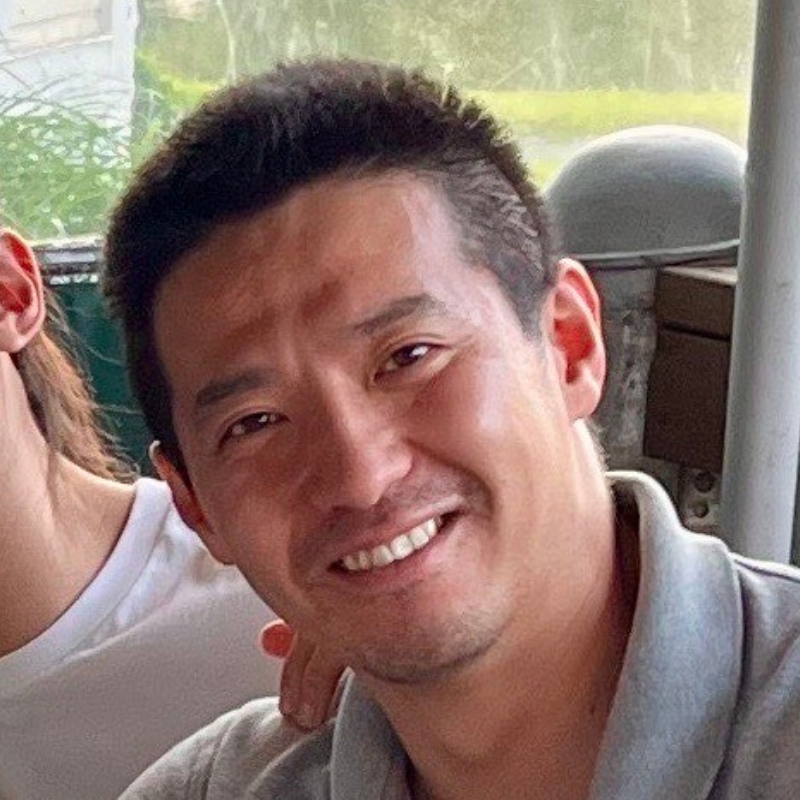
Headshot of Yuki Haba


Yuki Haba, PhD, Columbia University, The Mortimer B. Zuckerman Mind Brain Behavior Institute

Recognized for: Investigating the genomic and neurobiological bases of social recognition in the African naked mole-rat.

Headshot of Francesco Limone


Francesco Limone, PhD, NYU Grossman School of Medicine, Institute of Translation Neuroscience

Recognized for: Understanding the disruption of healthy neuron-astrocyte communication in neurodegenerative diseases.

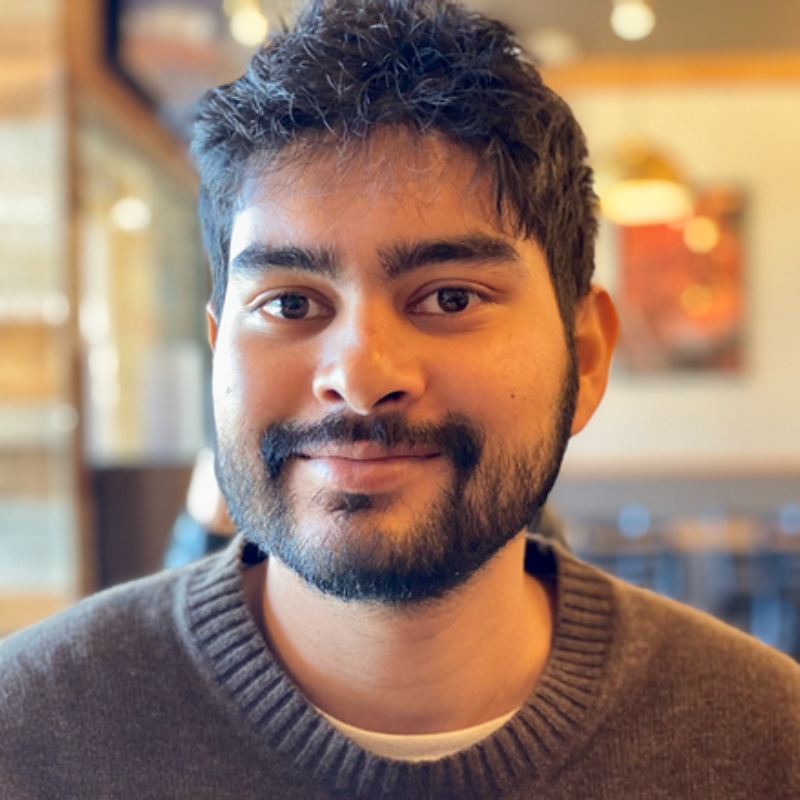
Headshot of Keshav Suresh


Keshav Balaji Suresh, PhD, Columbia University, The Mortimer B. Zuckerman Mind Brain Behavior

Recognized for: Defining astrocyte-neuron interactions underlying the natural motor skill of birdsong.

About the Leon Levy Foundation

The Leon Levy Foundation advances the humanist values of understanding, appreciation, and preservation through grantmaking guided by the deep and diverse interests of Leon Levy and Shelby White. The Foundation supports work, primarily in New York City, that enhances cultural life, expands knowledge, and encourages exceptional achievement across a broad range of fields.

To learn more, visit: www.leonlevyfoundation.org

Artificial Intelligence and Animal Group Behavior

A yellow and black bird is perched outside on a branch with thorns.

By linking cognitive strategy, neural mechanisms, movement statistics, and artificial intelligence (AI) a team of interdisciplinary researchers are trying to better understand animal group behavior.

Published December 23, 2024

By Nick Fetty

A bay-breasted warbler in Central Park. Image courtesy of Rhododendrites, CC BY-SA 4.0, via Wikimedia Commons.

A new research paper in the journal Scientific Reports explores ways that artificial intelligence (AI) can analyze and perhaps even predict animal behavior.

The paper, titled “Linking cognitive strategy, neural mechanism, and movement statistics in group foraging behaviors,” was authored by Rafal Urbaniak and Emily Mackevicius, both from the Basis Research Institute, and Marjorie Xie, a member of the first cohort for The New York Academy of Sciences’ AI and Society Fellowship Program.

For this project, the team developed a novel framework to analyze group foraging behavior in animals. The framework, which bridged insights from cognitive neuroscience, cognitive science, and statistics, was tested with both simulated data and real-world datasets, including observations of birds foraging in mixed-species flocks.

“By translating between cognitive, neural, and statistical perspectives, the study aims to understand how animals make foraging decisions in social contexts, integrating internal preferences, social cues, and environmental factors,” says Mackevicius.

An Interdisciplinary Approach

Each of the paper’s three co-authors brought their own expertise to the project. Mackevicius, a co-founder and director of Basis Research Institute, holds a PhD in neuroscience from MIT where her dissertation examined how birds learn to sing. She advised this project, collected the data on the groups of birds, and assisted with analytical work. Her contributions built upon her postdoctoral work studying memory-expert birds in the Aronov lab at Columbia University’s Center for Theoretical Neuroscience.

Xie, who holds a PhD in neurobiology and behavior from Columbia University, brought her expertise in computational modeling, neuroscience, and animal behavior. Building on a neurobiological model of memory and planning in the avian brain, Xie worked along Mackevicius to design a cognitive model that would simulate communication strategies in birds.

“The cognitive model describes where a given bird chooses to move based on what features they value in their environment within a certain sight radius,” says Xie, who interned at Basis during her PhD studies. “To what extent does the bird value food versus being in close proximity to other birds versus information communicated by other birds?”

Bayesian Methods and Causal Probabilistic Programming

Urbaniak brought in his expertise in Bayesian methods and causal probabilistic programming. For the paper, he built all the statistical models and applied statistical inference tools to perform model identification.

“On the modeling side, the most exciting challenge for me was turning vague, qualitative theories about animal movement and motivations into precise, quantitative models. These models needed to capture a range of possible mechanisms, including inter-animal communication, in a way that would allow us to use relatively simple animal movement data with Bayesian inference to cast light on them,” says Urbaniak, who holds a PhD in logic and philosophy of mathematics from the University of Calgary, Canada and held previous positions at Trinity College Dublin, Ireland, and the University of Bristol, U.K.

For this project, the researchers set up video cameras in Central Park to analyze bird movements, which they then used to study behavior. In the paper, the researchers pointed out that birds are an appealing subject to study animal cognition within collaborative groups.

“Birds are highly intelligent and communicative, often operate in multi-agent or even multi-species groups, and occupy an impressively diverse range of ecosystems across the globe,” the researchers wrote in the paper’s introduction.

The paper built upon previous work within this realm, with the researchers writing that “[this work demonstrated] how abstract cognitive descriptions of multi-agent foraging behavior can be mapped to a biologically plausible neural network implementation and to a statistical model.”

Expanding their Research

For both Mackevicius and Xie, this project enabled them to expand their research from studying individual birds to groups of birds. They saw this as an opportunity to “scale up” their previous work to better understand how cognition differs within a group context. Since the paper was published in September, Mackevicius has applied a similar methodology to study NYC’s infamous rats, and she sees potential for extending this work even further.

“This research has broad implications not just for neuroscience and animal cognition but also for fields like artificial intelligence, where multi-agent decision-making is a central challenge,” Mackevicius wrote for the Springer Nature blog. “The ability to infer cognitive strategies from observed behavior, particularly in group contexts, is a crucial step toward designing more sophisticated AI systems.”

Xie says she “learned many skills on the spot” throughout the project, including reinforcement learning (an AI framework) and statistical inference. For her, it was especially rewarding to observe how all these small pieces shaped the bigger picture.

“This work inspires me to think about how we apply these tools to reason about human behavior in group settings such as team sports, crowds in public spaces, and traffic in urban environments,” says Xie. “In crowds, humans may set aside their individual agency and operate on heuristics such as following the flow of the crowd or moving towards unoccupied space. The balance between pursuing individual needs and cooperating with others is a fascinating phenomenon we have yet to understand.”

The AI and Society Fellowship is a collaboration with Arizona State University’s School for the Future of Innovation in Society. For more info, click here.

Basis AI is currently seeking Research Interns for 2025. For more info, click here.

The Ethics of Developing Voice Biometrics

A writer conducts an interview with an AI researcher.

Various ethical considerations must be applied to the development of artificial intelligence technologies like voice biometrics to ensure disenfranchised populations are not negatively impacted.

Published August 29, 2024

By Nitin Verma, PhD

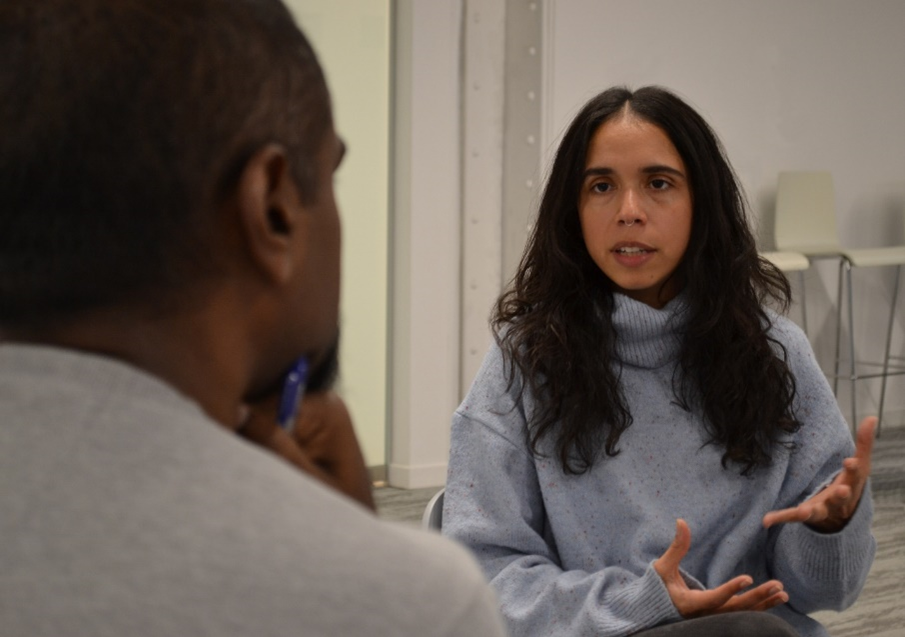
Nitin Verma, PhD, (left) conducts an interview with Juana Caralina Becerra Sandoval at The New York Academy of Sciences’ office in lower Manhattan.
Photo by Nick Fetty/The New York Academy of Sciences.

Juana Catalina Becerra Sandoval, a PhD candidate in the Department of the History of Science at Harvard University and a research scientist in the Responsible and Inclusive Technologies initiative at IBM Research, presented as part of The New York Academy of Sciences’ (the Academy) Artificial Intelligence (AI) & Society Seminar series. The lecture – titled “What’s in a Voice? Biometric Fetishization and Speaker Recognition Technologies” – explored the ethical implications associated with the development and use of AI-based tools such as voice biometrics. After the presentation, Juana sat down with Nitin Verma, PhD, a member of the Academy’s 2023 cohort of the AI & Society Fellowship, to further discuss the promises and challenges society faces as AI continues to evolve.

*Some quotes have been edited for length and clarity*

Tell me about some of the big takeaways from your research so far on voice biometrics that you covered in your lecture?

I think some of the main takeaways from the history of the automation of speaker recognition are, first, really trying to understand what are the different motivations or incentives for investing in a particular technology and a particular technological future. In the case of voice biometrics, a lot of the interesmyt is coming from different sectors like the financial sector, or the security and surveillance sector. It’s important to keep those interests in mind and observe how they inform the way in which voice biometrics get developed or not.

The other thing that’s important is that even though we have a notion of technological progress, some of the underlying ideas and assumptions are very old. This includes ideas about the body, about what the human body is, and how humans have the ability to change, or not, their body and the way they speak. In the case of voice biometrics, these ideas date back to 19th-century eugenic science, and they continue informing research, even as we have new technologies. We need to not just look at this technology as new, but ask what are the ideas that remain, or that sustain over time, and in which context did those ideas originate.

So, in your opinion, what role does, or would, AI play in your historical accounting of voiceprint technology?

I think, in some way, this is the story of AI. So, it’s not a separate story. AI doesn’t come together in the abstract. It always comes along in relation to a particular application. A lot of the different algorithmic techniques we have today were developed in relation to voice biometrics. Really what AI entails is a shift in the logic of the ontology of voice where you can have information surface from the data or emerge from statistical methods, without needing to have a theory of what the voice is and how it relates to the body or identity and illness. This is the kind of shift and transformation that artificial intelligence ushers.

What would you think is the biggest concern regarding the use of AI in monitoring technologies such as voice biometrics?

Well, I think concerns are several. I definitely think that there’s already inscripted within the history of voice biometrics an interest in over-policing, and over-surveilling of Black and Latinx communities. There’s always that inherent risk that technology will be deployed to over-police certain communities and voice biometrics then enter into a larger infrastructure where people are already being policed and surveilled through video with computer vision or through other means.

In the security sector, I think my main concern is that there’s a presumption that the relationship between voice and identity is fixed and immutable, which can create problems for people who want to change their voice and or for people whose voice changes in ways outside of their control, like from an injury or illness. There are numerous reasons why people might be left out of these systems, which is why we want to make sure we are creating infrastructures that are equitable.

Speaking to the other side of this same question, in your view, what would be some of the beneficial or ethical uses of this technology going forward?

Rather than starting from the point of ‘what do corporations or institutions need to make their job easier or more profitable?’, we should instead focus on ‘what are the kinds of tools and techniques that people want for themselves and for their lives?’, and ‘in what ways can we leverage the current state of the art towards those ends?’. I think it’s much more about the approach and the incentive.

There’s nothing inherent to technology that makes it cause irreparable harm or be inherently unethical. It’s more about: what is the particular ontology of voice?; what’s the conception of voice that goes into the system?; and towards whose ends is it being leveraged? I’m hopeful and optimistic about anything that is driven by people and people’s desires for a better life and a better future.

Your work brings together various threads of research or inquiry, such as criminology, the history of technology, inequality, and the history of biometric technology as such. What are some of the challenges and benefits that you’ve encountered on account of this multidisciplinary approach to studying the topic?

I was trained as a historian, and originally my idea was to be a professor, but once I started working at IBM Research and the Responsible and Inclusive Tech team, I think I got much closer to the people who very materially and very concretely wanted to make technology better, or, more specifically, to improve the infrastructures and the cultures in which technology is built.

That really pushed me to take a multidisciplinary approach and to think about things not just from a historical lens, but be very rooted in the technical, as well as present day politics and economic structures. I think of my own immigrant background. I’m from Colombia and I naturally already had this desire to engage with humanities and social science scholarship that was critical of these aspects of society, but this may not be the same for everyone. I think the biggest challenge is effectively engaging different audiences.

In the lecture you described listening as a political process. Can you elaborate on that?

I’m really drawing on scholars in sound studies and voice studies. The Sonic Color Line, Race as Sound, and Black Linguistics, are three of the main theoretical foundations that I am in conversation with. The point they try to make is that when we attend to listening, rather than voice itself as a sort of thing that stands on its own, we can see and almost contextualize how different voices are understood, described, interpreted, classified, and so on.

The political in listening is what makes people have reactions to certain voices or interpret them in particular ways. Accents are a great example. Perceptions of who has an accent and what an accent sounds like are highly contextual. The politics of listening really emphasizes that contextuality and how we’ve come to associate things like being eloquent through particular ways of speaking or with how particular voices sound, and not others.

Is there anything else you’d like to add?

Well, I think something that strikes me about the story of voice biometrics and voiceprints is how little the public knows about what’s happening. A lot of decisions about these technologies are made in contexts that are not publicly shared. So, there’s a different degree of awareness in the kind of different public discourses around the ethics of AI and voice. It’s very different from facial recognition, computer vision, or even toxic language.

Also read: The Ethics of Surveillance Technology

Have We Passed the Turing Test, and Should We Really be Trying?

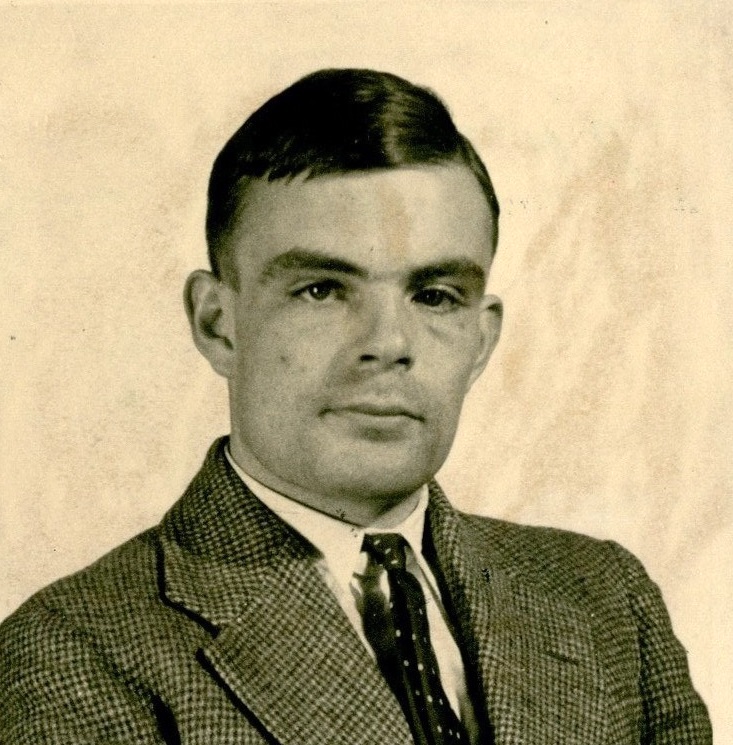
A black and white headshot of computer scientist Alan Turing.

The 70th anniversary of Turing’s death invites us to ponder: can we imagine AI models that will do well on the Turing test?

Published August 22, 2024

By Nitin Verma, PhD

Alan Turing (1912-1954) in 1936 at Princeton University.
Image courtesy of Wikimedia Commons.

Alan Turing is perhaps best remembered by many as the cryptography genius who led the British effort to break the German Enigma codes during WWII. His efforts provided crucial information about German troop movements and helped bring the war to an end.

2024 has been a noteworthy year in the story of Turing’s life as June 7th marked 70 years since his tragic death in 1954. But four years before that—in 1950—he kickstarted a revolution in digital computing by posing the question “can machines think?” and proposing an “imitation game” to answer it.

While this quest has been the holy grail for theoretical computer scientists since the publication of Turing’s 1950 paper, the public launch of ChatGPT in November 2022 has brought the question to the center stage of global conversation.

In his landmark 1950 paper, Turing predicted that: “[by about the year 2000] it will be possible to programme computers… [that] play the imitation game so well that an average interrogator will not have more than 70 per cent. chance of making the right identification after five minutes of questioning.” (p. 442). By “right identification”, Turing meant accurately distinguishing between human-generated and computer-generated text responses.

This “imitation game” eventually came to be known as the Turing test of machine intelligence. It is designed to determine whether a computer can successfully imitate a human to the point that a human interacting with it would be unable to tell the difference.

We’re much past the year 2000: Are we there yet?  

In 2022, Google let go of Blake Lemoine, a software engineer who had publicly claimed that the company’s LaMDA (Language Model for Dialogue Applications) program had attained sentience. Since then, the closest we’ve come to seeing Turing’s prediction come true is, perhaps, GPT-4, deepfakes, and OpenAI’s “Sora” text-to-video model that can churn out highly realistic video clips from mere text prompts.

Some researchers argue that LLMs (Large Language Models) such as GPT-4 do not yet pass the Turing test. Yet some others have flipped the script and argued that LLMs offer a way to assess human intelligence by positing a reverse Turing Test—i.e., what do our conversational interactions with LLMs reveal about our own intelligence?

Turing himself made a noteworthy remark about the imitation game in the same 1950 paper: “… we are not asking whether all digital computers would do well in the game nor whether the computers at present available would do well, but whether there are imaginable computers which would do well.” (Emphasis mine; p. 436).

Would Turing have imagined the current crop of generative AI models such as GPT-4 as ‘machines’ capable of “doing well” on the Turing test? I believe so, but we’re not quite there, yet. As an information scientist, I believe that in 2024 AI has come closer than ever to passing the Turing test.

If we’re not there yet, then should we strive to get there?

As with any other technology ever invented, as much as Turing may have only been thinking of the public good, there is always the potential for unforeseen consequences.

Technologies such as deepfake apps and conversational agents such as ChatGPT still need human creativity to be useful and usable. But still, the advanced AI that powers these technologies carries the potential of passing the Turing test. That potential portends a range of consequences for society that deserve our serious attention.

Leading scholars have already warned about the consequences of the ability of “fake” information to fuel distrust in public institutions including the judicial system and national security. The upheaval in the public imagination caused by ChatGPT even prompted US President Biden to issue an Executive Order on the Safe, Secure, and Trustworthy Development and Use of AI in the fall of 2023.

We’ll never know what Turing would have made of the spurt of AI advances in light of his own foundational work in theoretical computer science and artificial intelligence. His untimely death at the young age of 41 deprived the world of one of the greatest minds of the 20th century and the still more extraordinary achievements he could have made.

But it’s clear that the advances and use of AI technology have brought society to a turning point that he anticipated in his seminal works.

It remains difficult to say when—or whether—machines will truly surpass human-level intelligence. But more than 70 years after Turing’s death we are at a point where we can imagine AI agents that will do well on the Turing test. And if we can imagine it, we can someday build it too.

Passing a challenging test can be seen as a marker of progress. But would we truly rejoice in having our AI pass the Turing test, or some other benchmark of human–machine indistinguishability?

A More Scientific Approach to Artificial Intelligence and Machine Learning

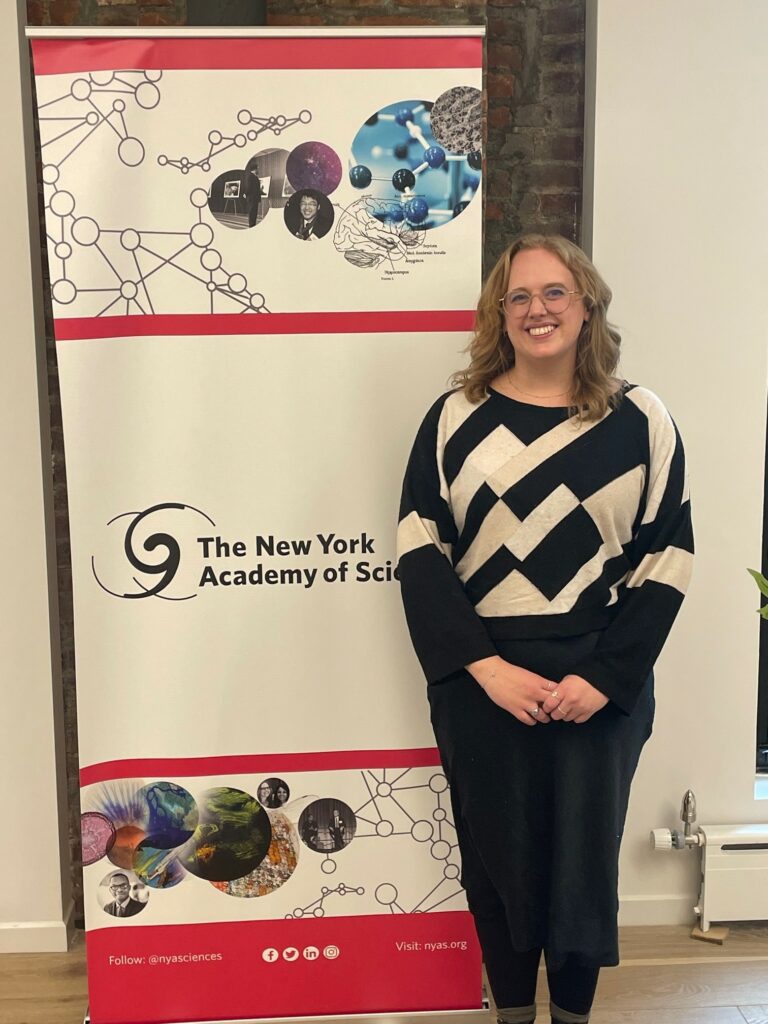
A researcher poses next to a vertical banner with the text "The New York Academy of Sciences."

Taking a more scientific perspective, while remaining ethical, can improve public trust of these emerging technologies.

Published August 13, 2024

By Nitin Verma, PhD

Savannah Thais, PhD, is an Associate Research Scientist in the Data Science Institute at Columbia University with a focus on machine learning. Dr. Thais is interested in complex system modeling and in understanding what types of information is measurable or modelable and what impacts designing and performing measurements have on systems and societies.

*This interview took place at The New York Academy of Sciences on January 18, 2024. This transcript was generated using Otter.ai and was proofread for corrections. Some quotes have been edited for length and clarity*

Tell me about the big takeaways from your talk?

The biggest highlight is that we should be treating machine learning and AI development more scientifically. I think that will help us build more robust, more trustworthy systems, and it will help us better understand the way that these systems impact society. It will contribute to safety, to building public trust, and all the things that we care about with ethical AI.

In what ways can the adoption of scientific methodology make models of complex systems more robust and trustworthy?

I think having a more principled design and evaluation process, such as the scientific method approach to model building, helps us realize more quickly when things are going wrong, and at what step of the process we’re going wrong. It helps us understand more about how the data, our data processing, and our data collection contributes to model outcomes. It helps us understand better how our model design choices contribute to eventual performance, and it also gives us a framework for thinking about model error and a model’s harm on society.

We can then look at those distributions and back-propagate those insights to inform model development and task formulation, and thereby understand where something might have gone wrong, and how we can correct it. So, the scientific approach really just gives us the principles, and a step-by-step understanding of the systems that we’re building. Rather than, what I see a lot of times, a hodgepodge approach where the only goal is model accuracy, in which something goes wrong, we don’t necessarily know why or where.

You have a very interesting background, and your work touches on various academic disciplines, including machine learning, particle physics, social science, and law. How does this multidisciplinary background inform your research on AI?

I think being trained as a physicist really impacts how I think about measurements and system design. We have a very specific idea of truth in physics. And that isn’t necessarily translatable to scenarios where we don’t have the same kind of data or the same kind of measurability. But I think there’s still a lot that can be taken from that, that has really informed how I think about my research in machine learning and its social applications.

This includes things like experimental design, data validation, uncertainty, propagation in models. Really thinking about how we understand the truth of our model, and how accurate it is compared to society. So that kind of idea of precision and truth that’s fundamental physics, has affected the research that I do. But my other interests and other backgrounds are influential as well. I’ve always been interested in policy in particular. Even in grad school, when I was doing a physics PhD, I did a lot of extracurricular work in advocacy in student government at Yale. That impacted a lot how I think about understanding how systems affect society, resource access, and more. It really all mixes together.

And then the other thing that I’ll say here is, I don’t think one person can be an expert in this many things. So, I don’t want it to seem like I’m an expert at law and physics and all this stuff. I really lean a lot on interdisciplinary collaborations, which is particularly encouraged at Columbia. For example, I’ve worked with people at Columbia’s School of International and Public Affairs as well as with people from the law school, from public health, and from the School of Social Work. My background allows me to leverage these interdisciplinary connections and build these truly collaborative teams.

Is there anything else you’d like to add to this conversation?

I would reemphasize that science can help us answer a lot of questions about the accuracy and impact of machine learning models of societal phenomena. But I want to make sure to emphasize at the same time that science is only ever going to get us so far. And I think there’s a lot that we can take from it in terms of experimental design, documentation, principles, model construction, observational science, uncertainty, quantification, and more. But I think it’s equally important that as scientific researchers, which includes machine learning researchers, we really make an effort to both engage with other academic disciplines, but also to engage with our communities.

I think it’s super important to talk to people in your communities about how they think about the role of technology in society, what they actually want technology to do, how they think about these things, and how they understand them. That’s the only way we’re going to build a more responsible, democratic, and participatory technological future. Where technology is actually serving the needs of people and is not just seen as either a scientific exercise or as something that a certain group of people build and then subject the rest of society to, whether it’s what they actually wanted or not.

So I really encourage everyone to do a lot of community engagement, because I think that’s part of being a good citizen in general. And I also encourage everyone to recognize that domain knowledge matters a lot in answering a lot of these thorny questions, and that we can make ourselves better scientists by recognizing that we need to work with other people as well.

Also read: From New Delhi to New York

The Leon Levy Scholarships in Neuroscience (LLSN)

An orange and white graphic.
Overview
Scholarship Details
Instructions
Symposium
Scholars
Team

Academy Team

Sonya Dougal, PhD
Sonya Dougal, PhD

Senior Vice President, Awards and Scientific Programs

Barbara Knappmeyer, PhD

Associate Director, Fellowships

Emily Kim, PhD
Emily Kim, PhD

Program Manager, Awards

Zamara Choudhary, PhD
Zamara Choudhary, MA

Program Manager, Education

Scientific Advisory Board

Carlos Brody, PhD

Princeton University

Amita Sehgal, PhD

University of Pennsylvania

Jordan Smoller, MD, ScD

Harvard Medical School,
Massachusetts General Hospital

Contact Us

If you have any questions, contact leonlevy@nyas.org.

The New York Academy of Sciences and the Leon Levy Foundation Announce the 2024 Leon Levy Scholars in Neuroscience

The logo for The New York Academy of Sciences.

Nine early career scientists are part of the 2024 cohort including researchers from The Rockefeller University, Albery Einstein College of Medicine, Icahn School of Medicine at Mount Sinai, the Flatiron Institute, and NYU.

New York, NY | May 29, 2024 – The New York Academy of Sciences and the Leon Levy Foundation announced today the 2024 cohort of Leon Levy Scholars in Neuroscience, continuing a program initiated by the Foundation in 2009 that has supported 170 fellows in neuroscience.

This highly regarded postdoctoral program supports exceptional young researchers across the five boroughs of New York City as they pursue innovative neuroscience research and advance their careers toward becoming independent principal investigators. Nine scholars were competitively selected for a three-year term from a broad pool of applications from more than a dozen institutions across New York City that offer postdoctoral positions in neuroscience.

Shelby White, founding trustee of the Leon Levy Foundation, said, “For two decades, the Foundation has supported over 170 of the best young neuroscience researchers in their risk-taking research and clinical work. We are proud to partner with The New York Academy of Sciences to continue to encourage these gifted young scientists, helping them not only to advance their careers but also to advance the cause of breakthrough research in the field of neuroscience.”

Nicholas Dirks, the Academy’s President and CEO said “Our distinguished jury selected nine outstanding neuroscientists across the five boroughs of New York City involved with cutting-edge research ranging from the study of neural circuitry of memory and decision-making, to psychedelic-based treatment of alcohol and substance abuse disorders, to the chemical communication of insects, to the use of organoids to study Alzheimer’s, to vocal learning research in mammals. We are excited to be working with the Leon Levy Foundation to welcome this new group of young neuroscientists to the Academy and the Leon Levy Scholar community.”

The Scholars program includes professional development opportunities such as structured mentorship by distinguished senior scientists, and workshops on grant writing, leadership development, communications, and management skills. The program facilitates networking among cohorts and alumni, data sharing, cross-institutional collaboration, and the annual Leon Levy Scholars symposium held in the Spring of 2025.

The 2024 Leon Levy Scholars


Tiphaine Bailly, PhD, The Rockefeller University

Recognized for: Genetically engineering the pheromone glands of ants to study chemical communication in insect societies.


Ernesto Griego, PhD, Albert Einstein College of Medicine

Recognized for: Mechanisms by which experience and brain disease modify inhibitory circuits in the dentate gyrus, a region of the brain that contributes to memory and learning.


Deepak Kaji, MD, PhD, Icahn School of Medicine at Mount Sinai

Recognized for: Using 3D organoids and assembloids to model abnormal protein accumulations and aggregations in the brain, a characteristic of Alzheimer’s Disease.


Jack Major, PhD, Icahn School of Medicine at Mount Sinai

Recognized for: Understanding the long-term effects of inflammation on somatosensory neurons, cells that perceive and communicate information about external stimuli and internal states such as touch, temperature and pain.


Brigid Maloney, PhD, Icahn School of Medicine at Mount Sinai

Recognized for: Identifying the transcriptomic (RNA transcript) specializations unique to advanced vocal learning mammals.


Amin Nejatbakhsh, PhD, Flatiron Institute

Recognized for: Statistical modeling of neural data to causally understand biological and artificial neural networks and the mechanisms therein.


Broc Pagni, PhD, NYU Langone Health

Recognized for: Identifying the psychological and neurobiological mechanisms of psychedelic-based treatments for alcohol and substance use disorders.


Adithya Rajagopalan, PhD, New York University

Recognized for: Examining how neurons within the brain’s orbitofrontal cortex, combine input from other brain regions to encode complex properties of the world that guide decision-making. 


Genelle Rankin, PhD, The Rockefeller University

Recognized for: Identifying and characterizing how thalamic nuclei, specialized areas of the thalamus responsible for relaying sensory and motor signals and regulating consciousness, supports working memory maintenance.

About the Leon Levy Foundation

The Leon Levy Foundation continues and builds upon the philanthropic legacy of Leon Levy, supporting preservation, understanding, and the expansion of knowledge, with a focus on the ancient world, arts and humanities, nature and gardens, neuroscience, human rights, and Jewish culture. The Foundation was created in 2004 from Leon Levy’s estate by his wife, founding trustee Shelby White. To learn more, visit: leonlevyfoundation.org.

For more information about the Scholarship program, contact: LeonLevy@nyas.org