Nicholas B. Dirks

A formally dressed man smiles.

Colleges Need to Change. Trump’s Plan Would Only Make Them Worse
TIME

Science Needs a New Social Compact
Project Syndicate

Academic freedom in America is in danger
Financial Times

Who would be a university president in America right now?
Financial Times

Trump’s Assault on Universities Is a Wake-Up Call
The Atlantic

Charting a course for science during Trump’s second term
The Hill

The University in Ruins
LinkedIn Pulse

Faculty-administrator distrust is making US universities ungovernable
Times Higher Education

The End of Disenchantment and the Future of the Humanities
The Chronicle of Higher Education

Ambivalence Over AI: We Are All Prometheus Now
Undark

Higher Education’s Donor Problem
TIME

Don’t let geopolitics get in the way of scientific cooperation with China
The Hill

Campus leaders shouldn’t be judged on their political pronouncements
Times Higher Education

Why we need to build an implicit trust in science
Khaleej Times

Chair to Chancellor: Lessons in Leading Modern Universities | The World of Higher Education

The Future of Higher Education | Unfixed Podcast

Beyond the Lab: Policy, Politics, and the Future of Research | Driving the Business of Science

The Future of Higher Education | Edutainment Learning

AI and the Future of the University | The Next Big Idea Podcast

Pasts and Futures of the Global Humanities | Global Humanities Network

The Future of Research in a Fractured World | Research Information

Blavatnik Awards Ceremony 2025 | News 13 (Israel)

The Real Impact of Political Change on Science, Research, and Academia | Karger in Conversation

Universities Under Attack | New University in Exile Consorti

The Future of AI in Higher Education and Scientific Research | Regulating AI Podcast

Trump’s War on Universities | Capitalisn’t Podcast

Future Pulse | POLITICO

Embattled University | Center for Brooklyn History

Research Integrity and Scientific Publishing | People & Science Live presented by Karger Publishers

Former Berkeley Chancellor Nick Dirks on the Rising Costs and Uses & Abuses of the University | El Podcast

The International Science Reserve and AI | Nation Radio Podcast

The Uses and Abuses of the Modern University | The Politics Guys

The Delicate Balance of Teaching and Research in Modern Academia | unSILOed Podcast

What Are Universities For? | The Commonweal Podcast

Beyond Berkeley: Lessons from a University Chancellor on the Front Lines | dotEDU

Free Speech, Controversy, and the University | Chasing Leviathan

The Uses and Abuses of the University – Where Does Higher Ed Go from Here? | The Realignment

Why American universities need to reinvent themselves in our winner-take-all age of social media and AI | Keen On

The Changing Culture of the University | The PhD Life Raft Podcast

Applying Scientific Insights to Global Challenges | When Science Speaks

Science, Truth, And Trust |The Thought Stretchers Education Podcast

Partner with Us: School & Community

The logo for The New York Academy of Sciences.

Our Unique Approach to Working with Teachers, Students and Families

The scientists in the Academy’s network view their job as blend of research and community outreach. Our scientists have a desire to directly engage the public to demystify science and foster science literacy, especially among young people and families. Therefore, our three signature programs — Afterschool STEM Mentoring, Scientist-in-Residence, and Family Science Nights — provide professional scientists with opportunities to do outreach that aligns with their interests as well as their professional time constraints.

Ways to Work with Us

There are several ways external organizations can become involved with our community outreach initiatives.

  • You can sponsor our “Chat with a Scientist” virtual event series, and even collaborate with us to plan the events using subject matter experts in your network who would like to give back to elementary and middle school age students.
  • We can create an Employee Engagement initiative whereby your employees with STEM expertise can be recruited as mentors in either our Afterschool STEM Mentoring Program or our Scientist-in-Residence program.
  • You can support our Family Science Nights as a sponsor or a host venue to hold an FSN at your school, library, or other community center location.
  • We can collaborate to develop a new event series aimed at younger students to spark their curiosity in STEM, or expose them to STEM careers through the eyes of working scientists.

Impact Report

Download the New York Academy of Sciences STEM Education 10-Year Impact Report, 2024.

GENERATION STEMEmpowering Scientists of the Future

Contact Us

To partner with us to support our School & Community Engagement programs, contact education@nyas.org.

From the Academy Blog

Action-Research on Adolescent and Young Women Nutrition

Adolescent and young women are often undernourished and overlooked and few, if any, efforts are made to educate this population about best food habits. This presents current and future risks: undernutrition and micronutrient deficiencies impair their growth at the critical phase of puberty and menarche, increases the risk of complications during pregnancy and childbirth, and carries an elevated risk of non-communicable diseases in future life.

However, this period is also viewed as a window of opportunity for nutrition action as it is when growing girls begin to assume adult roles and establish dietary patterns that often carry through adulthood and to their future families. While there has been progress in recognizing the nutrition plight of adolescent girls and young women in recent years, knowledge of their dietary patterns, nutrient deficiencies, or food choice motivations remains fragmentary, hampering the elaboration of effective strategies to improve their nutrition.

Funded by La Fonation Botnar, the Academy and partners carried out an Action-Research program over three years (2020-2022) in Colombia and Vietnam to document the diets of adolescent and young women (14-22 years old); identify nutrient deficits in their diets; elaborate recommendations to improve their nutritional status using locally available and affordable foods; and engage with them in incorporating those recommendations in their diets through a Social Innovation Challenge. Awards and resources were transferred to the most promising solutions to enable their implementation.

Pre/post measurements of the interventions’ impact showed significant improvement in the diets of participants. Using local foods as a point of departure proved successful in creating interest and in concretely anchoring choices that significantly and positively affected their food intake. Social media proved to be a playful and powerful means of mobilization when designed and controlled by participants. Building on concerns of importance to this population—self-image, self-esteem, peer status—was also a strong lever for behavioral change. This initiative may serve as a model for future interventions targeting this population group. In addition, it created an extensive scientific output to advance our knowledge of the problem and how it may be addressed.

Implementing Partners

World Vision/Colombia

International Center for Education and Development (CINDE). Colombia

School of Nutrition and Dietetics, University of Antioquia, Medellin Colombia

Thai Nguyen University of Medicine and Pharmacy, Vietnam

National Institute of Nutrition, Vietnam

The World Food Programme, Rome

Funding Support

La Fondation Botnar

Activities

Activities undertaken by this Action-Research program in nutrition are summarized below:

Resources

Scientific publications from the Adolescent and Young Women Nutrition Action-Research

The entire Action-Research process is described at length in nine peer-reviewed publications published in a Special Issue of the Annals of the New York Academy of Sciences.

List of papers (hyperlinks to come once published in Open Access on Annals of the New York Academy of Sciences)

  • Mobilizing adolescents and young women to promote healthy diets in urban settings of Colombia and Vietnam: lessons from two action-research programs. Bergeron G, Nguyen P, Restrepo-Mesa S, Correa-Guzman N, Nga L. The Annals of the New York Academy of Sciences. New York, 2023
  • Food and nutrient intake of adolescent women in the city of Medellin, Colombia Restrepo-Mesa S, Correa Guzmán N, et al. The Annals of the New York Academy of Sciences. New York, 2023
  • Dietary intake and occupational status among female youths of Thai Nguyen, Vietnam Mai Tran L, Nguyen P. et al. The Annals of the New York Academy of Sciences. New York, 2023
  • Exploring the potential of meeting adolescent girls’ nutrient needs in urban Colombia using food-based recommendations. Knight F, Kuri S., et al The Annals of the New York Academy of Sciences. New York, 2023
  • Locally relevant food-based recommendations could increase iron and calcium intake for adolescent girls in Vietnam. Gie S., Nguyen P. et al. The Annals of the New York Academy of Sciences. New York, 2023
  • Validation of the NOVA screener for the consumption of ultra-processed foods in young women of Medellin, Colombia. Correa-Madrid MC, Correa-Guzmán N, et al. The Annals of the New York Academy of Sciences. New York, 2023
  • Beliefs and practices of healthy eating in a group of young women in Medellin, Colombia. Balancing between the desired and the possible. Arboleda-Montoya LM, Rodríguez-Villamil N. et al. The Annals of the New York Academy of Sciences. New York, 2023
  • Effect of an Action-Research nutrition intervention on the Global Diet Quality Score of Colombian adolescent. Correa-Guzman N, Restrepo-Mesa S. et al. The Annals of the New York Academy of Sciences. New York, 2023
  • The Global Diet Quality Score is Associated with Higher Nutrient Adequacy and Depression, but not with Anthropometric Outcomes among Urban Vietnamese Adolescents and Youths. Nguyen P, Mai LM, et al. The Annals of the New York Academy of Sciences. New York, 2023

Addressing Calcium Deficiency

The logo for The New York Academy of Sciences.

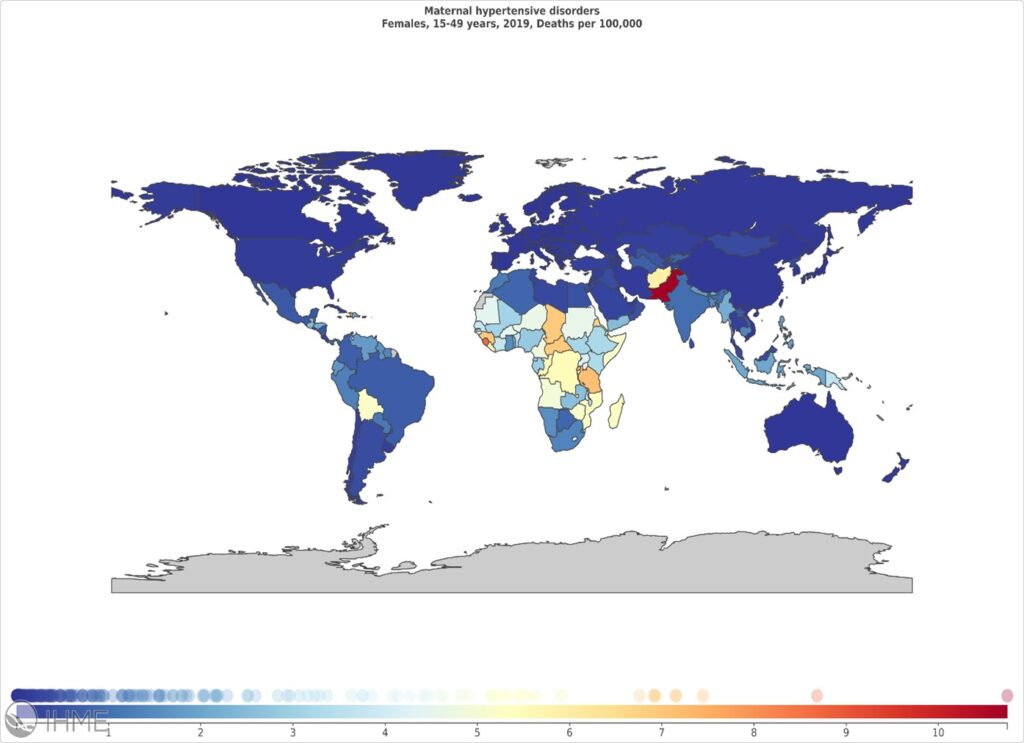
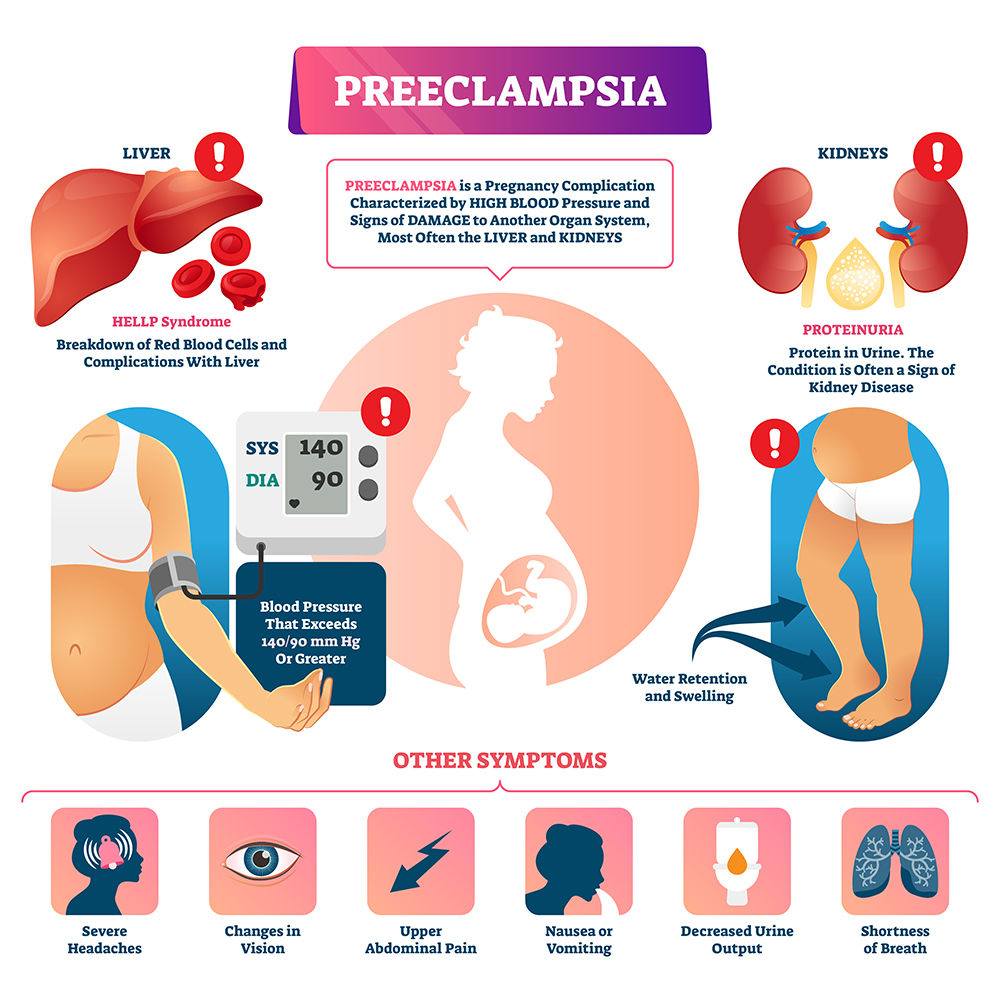
An estimated 3.5 billion people around the globe are at risk of calcium deficiency due to inadequate dietary intake. While primarily associated with bone health, calcium has also been shown to reduce the risk of preeclampsia and associated complications, which are leading causes of maternal morbidity and mortality. Populations in low- and middle- income countries (LMICs), especially in parts of Asia, Africa, and South America, are at greatest risk of low calcium intakes, and have the higher rates of mortality from maternal hypertensive disorders, according to the Global Burden of Disease.

Global rates of mortality due to maternal hypertensive disorders in 2019 (deaths/100,000), according to the Global Burden of Disease

In partnership with the Children’s Investment Fund Foundation, the Academy assembled a Scientific Advisory Committee composed of five calcium experts, followed by a larger group of 22 specialists named “Calcium Task Force” to guide the global agenda for Calcium. In March and April 2021, the Academy convened two virtual meetings with the Calcium Task Force. This Task Force is composed of experts in micronutrients, malnutrition, pediatrics, gynecology and obstetrics, biochemistry, public health, supplementation and food fortification. During these two virtual meetings, the Task Force assessed the evidence on global calcium deficiency and its health consequences, and useful indicators of calcium absorption and intake. It also considered potential interventions such as calcium supplementation for pregnant women to improve pregnancy outcomes and associated implementation challenges, as well as food-based interventions to improve the intake of this vital micronutrient, especially in populations with low calcium intake. The group was also commissioned to identify the research gaps and provide guidance for interventions and policies based on the most current available evidence.

Activities

First Meeting of the Calcium Task Force

On March 1-3, 2021, the Nutrition Science Program of The New York Academy of Sciences convened the first of two meetings of the Calcium Task Force. The agenda was structured around three major topics: epidemiology of inadequate calcium intakes and associated health outcomes, calcium supplementation for pregnant women, and food-based interventions to improve calcium intake.

Second Meeting of the Calcium Task Force

The second meeting was hosted on April 26-28, 2021. The Calcium Task Force refined the discussions of the first meeting, drew conclusions and recommendations based on available evidence, and identified areas for future research for the three major topics.

Resources

Scientific publications associated with the Calcium initiative

The discussions and conclusions from the Calcium Task Force meetings were presented in three peer-reviewed publications. Additional activities are associated with the Calcium Initiative, including: two systematic reviews conducted by Tampere University to assess the impact of maternal dietary calcium supplementation (alone or with vitamin D) during pregnancy on maternal and infant health; feasibility assessments of the food-based solutions carried out by HarvestPlus; modeling analyses for the cost-effectiveness of interventions and the locally available foods that could provide additional calcium. The following articles associated with this initiative were published in a “Calcium Special Issue”:

  1. Calcium deficiency worldwide: prevalence of inadequate intakes and associated health outcomes
  2. Calcium supplementation for the prevention of hypertensive disorders of pregnancy: current evidence and programmatic considerations
  3. Interventions to improve calcium intake through foods in populations with low intake
  4. Calcium status assessment at the population level: Candidate approaches and challenges
  5. Calcium supplementation during pregnancy and maternal and offspring bone health: a systematic review and meta-analysis
  6. Calcium supplementation during pregnancy and long-term offspring outcome: a systematic literature review and meta-analysis
  7. Could local foods achieve recommended calcium intakes for nutritionally vulnerable populations in Uganda, Guatemala, and Bangladesh?
  8. Including calcium-fortified water or flour in modeled diets based on local foods could improve calcium intake for women, adolescent girls, and young children in Bangladesh, Uganda, and Guatemala

Advocacy Briefs

  1. Calcium Policy Brief
  2. Key Calcium Facts

Multiple Micronutrient Supplements in Pregnancy

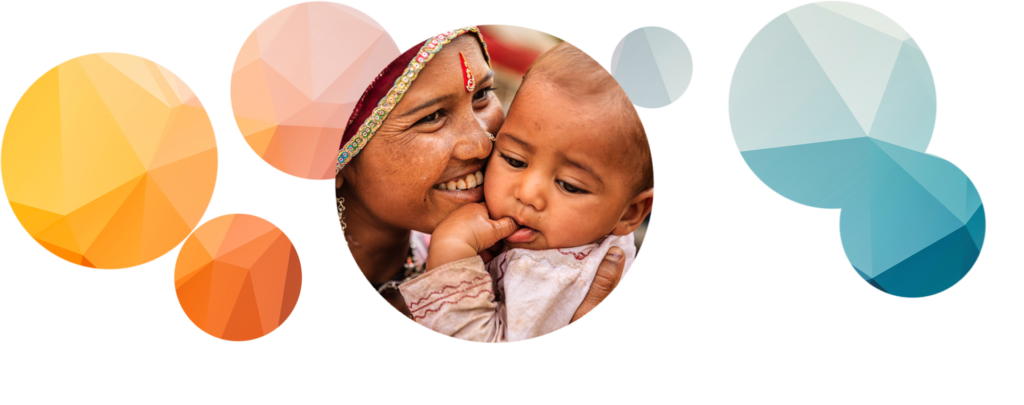
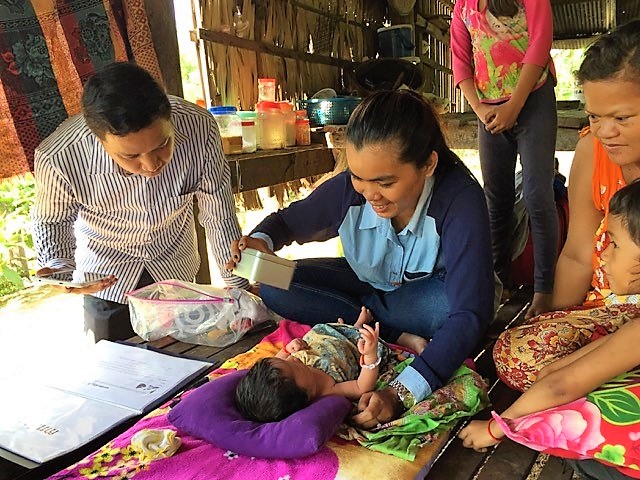
A photo of a mother with her baby.

Following the release of the 2016 WHO Guidelines for Antenatal Care, The New York Academy of Sciences assembled a scientific task force comprised of international experts in micronutrient deficiencies, public health, nutrition, pediatrics and health economics to:

  • Compile the evidence on the prevalence of micronutrient deficiencies in pregnant women or women of reproductive age
  • Review the evidence on the benefits and risks of multiple micronutrient supplements on maternal and perinatal outcomes
  • Create a roadmap to guide decisions in countries considering the implementation of such programs.

The findings from the first phase of this initiative show that substantial benefits may be expected, in terms of mortality reduction and poor birth outcome, by shifting from IFA to MMS in Antenatal Care programs.

Promoting MMS in Low and Middle-Income Countries

The Multiple Micronutrient Supplementation Technical Advisory Group (TAG) assists countries considering the use of multiple micronutrient supplements in their antenatal care programs. The New York Academy of Sciences and the TAG have collaborated with UNICEF, with funding from the Bill & Melinda Gates Foundation, to promote the uptake of MMS by pregnant women in a number of pilot low and middle-income countries (LMICs). These promotional efforts encompass the following activities:

  • Recruitment and coordination of a Technical Advisory Group (TAG) to provide evidence and materials to governments in LMICs so that they can tailor the use of MMS to their specific conditions
  • Facilitation of global MMS efforts, via the creation of a communications hub to advise and document the pilot phase throughout the planned implementation
  • Provision of technical support to UNICEF as it rolls out MMS in four pilot countries (Bangladesh, Madagascar, Burkina Faso and Tanzania), as well as other locations considering making the switch from iron and folic acid to MMS

For this initiative, UNICEF assisted with the rollout and implementation of MMS in pilot LMIC countries. Vitamin Angels supplied the product and provision of MMS. The Healthy Mother’s Healthy Babies Consortium brought together stakeholders, including country representatives, research and knowledge institutions, non-governmental organization (NGOs), technical organizations, UN agencies, private sector stakeholders, and funders to work together to raise awareness, trigger policy change and accelerate adoption of MMS.

Review of Evidence

Why MMS?

Multiple-micronutrient deficiencies often coexist among women of reproductive age (WRA) in low- and middle-income countries (LMICs). This may put their health and that of their offspring at risk, especially during pregnancy when micronutrients requirements increase. Multiple micronutrient supplements (MMS) may fill those gaps but in 2016 the WHO Guidelines for Antenatal Care reaffirmed their recommendation of IFA for routine use in pregnancy. WHO’s recommendation was based on “…some evidence of risk, and some important gaps in the evidence”. The WHO Guideline however, commented that “policy-makers in populations with a high prevalence of nutritional deficiencies might consider the benefits of MMS on maternal health to outweigh the disadvantages, and may choose to give MMS”.

Since the release of the 2016 ANC Guidelines, two important reviews were carried out that provided high quality evidence on the potential benefits to be gained in terms of various antenatal and maternal outcomes by switching from IFA to MMS. Specifically, the IDP meta-analysis found that, when compared to IFA alone, MMS would:

  • Reduce the risk of stillbirth
    • by 8% in the overall population of pregnant women
    • by 21% in the group of anemic pregnant women
  • Reduce the risk of mortality among 6-month infants
    • by 29% in the group of anemic pregnant women
    • by 15% in female infants
  • Reduce the risk of low birth weight (<2500g)
    • by 12% in the overall population of pregnant women
    • by 19% in the group of anemic pregnant women
  • Reduce the risk of preterm (<37 weeks) birth
    • by 8% in the overall population of pregnant women
    • by 16% in the group of underweight women
  • Reduce the risk of being born small-for-gestational age
    • by 3% in the overall population of pregnant women
    • by 8% in the group of anemic pregnant women

In 2020, WHO reviewed the new evidence that became available since the publication of the 2016 ANC Guidelines and updated the recommendations for MMS during pregnancy. These updated Guidelines now state that antenatal MMS that include IFA are recommended in the context of rigorous research.

Reference: Smith ER, Shankar AH, Wu LS-F, et al. Modifiers of the effect of maternal multiple micronutrient supplementation on stillbirth, birth outcomes, and infant mortality: a meta-analysis of individual patient data from 17 randomized trials in low-income and middle-income countries. Lancet Glob Heal. 2017;5(11):e1090-e1100.

MMS and COVID-19

Key Scientific Papers

Reports

Technical Reference Materials

Background Materials

Torheim, L.E., Ferguson, E.L., Penrose, K., Arimond, M. (2010). Women in Resource-Poor Settings Are at Risk of Inadequate Intakes of Multiple Micronutrients. J Nutr, 140(11): 2051S-2058S

Pathak, P., Kapil, U., Yajnik, C. S, Kapoor, S. K., Dwivedi, S. N., & Singh, R. (2007). Iron, Folate, and Vitamin B12 Stores among Pregnant Women in a Rural Area of Haryana State, IndiaFood and Nutrition Bulletin, 28(4): 435–438.

Lee, S., Talegawkar, S., Merialdi, M., & Caulfield, L. (2013). Dietary intakes of women during pregnancy in low- and middle-income countriesPublic Health Nutrition, 16(8): 1340-1353.

Kulkarni, B., Christian, P., LeClerq, S., & Khatry, S. (2010). Determinants of compliance to antenatal micronutrient supplementation and women’s perceptions of supplement use in rural NepalPublic Health Nutrition, 13(1), 82-90.

Gernand, A. D., Schulze, K. J., Stewart, C. P., West, K. P., & Christian, P. (2016). Micronutrient deficiencies in pregnancy worldwide: health effects and preventionNature reviews. Endocrinology12(5), 274-89.

Lu, C., Black, M. M., & Richter, L. M. (2016). Risk of poor development in young children in low-income and middle-income countries: an estimation and analysis at the global, regional, and country levelThe Lancet. Global health4(12), e916-e922.

Jiang, T., Christian, P., Khatry, S.K., Wu, L., West, K.P. (2005). Micronutrient Deficiencies in Early Pregnancy Are Common, Concurrent, and Vary by Season among Rural Nepali Pregnant Women. J Nutr, 135(5), 1106-1112.

Project Outcomes

This initiative, supported by a grant from the Bill & Melinda Gates Foundation, is a collaboration between UNICEF, the MMS Technical Advisory Group, and the New York Academy of Sciences. Activities carried out through this effort include:

  • The development of a Communications Hub to link the various stakeholders (scientists, implementers, multilateral organizations, policy makers and the private sector) involved in MMS programs
  • The coordination of technical support to adopting countries, including the preparation of technical reference materials to explain and organize MMS programs and to train the health workforce in their implementation
  • UNICEF implementation of a MMS rollout in 4 pilot countries (Bangladesh, Madagascar, Burkina Faso and Tanzania)
  • Promote and support MMS programs in additional countries as needed
  • A webinar to disseminate the findings of the scientific task force
  • A systematic review on interventions to increase adherence to micronutrient supplementation during pregnancy

MMS Meeting Workshops

Core Product Specification Workshop, November 11-12, 2019

On November 11th and 12th, 2019, the Academy and the Micronutrient Forum (MNF) co-hosted a workshop in Washington DC to develop a Core Product Specification for multiple micronutrient supplement in pregnancy.

Technical Report

Task Force on Multiple Micronutrient Supplementation (MMNS) in Pregnancy, April 17-18, 2018

Second of two closed door technical consultation at the Academy. While the first meeting examined the benefits and potential risks of multiple micronutrient supplementation, the second consultation focused primarily on considerations for the development of a roadmap to guide countries considering multiple micronutrient supplement implementation

Meeting Report

Task Force on Multiple Micronutrient Supplementation in Pregnancy, November 15-16, 2017

First of two closed-door technical consultations at the Academy to review recent evidence on the benefits and risks of multiple micronutrient supplementation, identify research gaps, and determine which populations may benefit most from supplementation.

Meeting Report

Sponsors

Funding Support

Bill & Melinda Gates Foundation

Organized By

Multiple Micronutrient Supplementation in Pregnancy

Control and Prevention of Thiamine Deficiency Disorders (TDD)

The logo for The New York Academy of Sciences.

Thiamine deficiency remains a pressing public health issue. Infantile beriberi, a disease caused by thiamine deficiency, presents during the exclusive breastfeeding period and without treatment commonly results in death within hours of clinical presentation. There is also growing evidence suggesting sub-clinical thiamine deficiency may have a measurable, lasting impact on cognitive development and psychomotor functions.

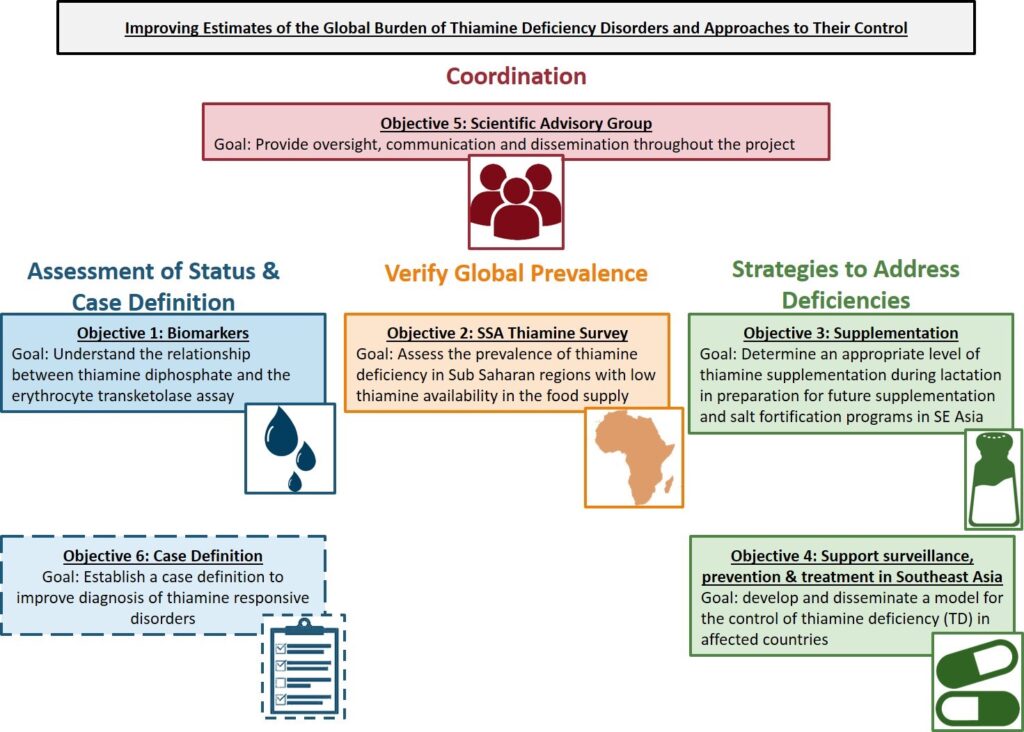
However, addressing the spectrum of thiamine deficiency disorders (TDD) is impeded by several gaps in knowledge. This initiative seeks to address the key gaps in our knowledge of TDD and to develop a model for control of TDD in the most affected countries. The Academy is engaged in research to reduce the global burden of thiamine deficiency. With funding from the Bill & Melinda Gates Foundation, this project includes a number of research partners around the world and aims to fill several research gaps.

Key Knowledge Gaps

1. Limitations in assessing status.

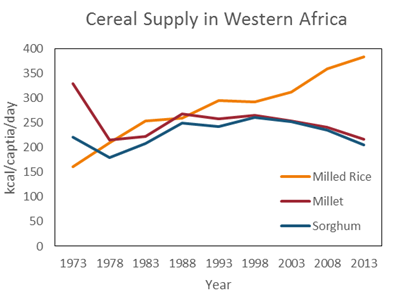
2. Lack of knowledge about prevalence, particularly in sub-Saharan Africa

3. Lack of strategy to address deficiencies, particularly during lactation

4. No standard approach to surveillance and prevention

5. No standard case definition

Research

In 2017, the Academy convened an expert panel to estimate the global burden of thiamine deficiency and related disease risks and to review possible intervention strategies to reduce the associated burden of disease. The panel concluded that there is a surprising lack of information on this condition, despite its likely importance as a cause of infant mortality in South Asia and possibly in other LMIC, and its known effects on child development. Following the panel’s recommendations, this initiative aimed to address the key knowledge gaps that were identified through the following projects.

Supplementation

Determine the appropriate level of thiamine supplementation during lactation to provide adequate thiamine status for mothers and their infants. A dose response trial of lactating women in Cambodia measured thiamine content in breast milk, as well as in the blood of mother and infants.

Resulting publication:

– Gallant et al (2021) Low-dose thiamine supplementation of lactating Cambodian mothers improves human milk thiamine concentrations: a randomized controlled trial. The American Journal of Clinical Nutrition. 114 (1): 90–100.

Cognitive Outcomes

There is evidence that even asymptomatic thiamine deficiency can cause long-lasting cognitive deficits. The infants enrolled in the supplementation trial underwent neurological testing to look for cognitive differences between supplementation and placebo groups.

Resulting publication:

– Measelle et al (2021) Thiamine supplementation holds neurocognitive benefits for breastfed infants during the first year of life. Ann. N.Y. Acad. Sci., 1498: 116-132.

Fortification

Salt has been identified a good vehicle for thiamine fortification in South-East Asia. This project measured salt consumption in Cambodia to inform the level of thiamine required to adequately fortify salt.

Resulting publications:

– Chan et al (2021) Assessment of salt intake to consider salt as a fortification vehicle for thiamine in Cambodia. Ann. N.Y. Acad. Sci., 1498: 85-95.

– Green et al (2021) Modeling thiamine fortification: a case study from Kuria atoll, Republic of Kiribati. Ann. N.Y. Acad. Sci., 1498: 108-115.

– Whitfield et al (2021) Thiamine fortification strategies in low- and middle-income settings: a review. Ann. N.Y. Acad. Sci., 1498: 29-45.

Biomarkers

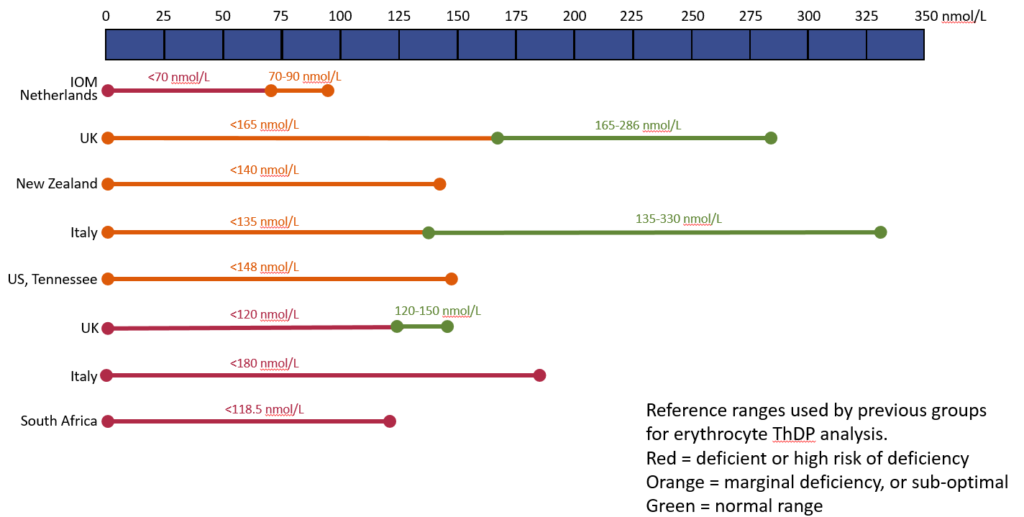
The relationship between the two thiamine biomarkers, thiamine diphosphate and the erythrocyte transketolase assay, is being studied to assess which biomarker is best suited to identify thiamine deficiency.

Resulting publication:

– Jones et al (2021) Erythrocyte transketolase activity coefficient (ETKAC) assay protocol for the assessment of thiamine status. Ann. N.Y. Acad. Sci., 1498: 77-84.

African Surveys

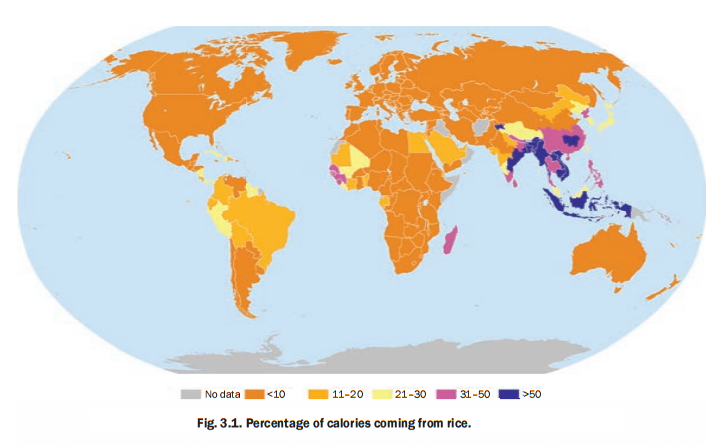
Some neurological disorders found in Sub-Saharan Africa have similar symptoms to thiamine deficiency disorders and the increase in rice consumption has raised concern that thiamine deficiency may also be present in Africa. A study was conducted to assess thiamine status in Gambian women of reproductive age.

Resulting publication:

– Bourassa et al (2021) Thiamine deficiency in Gambian women of reproductive age. Ann. N.Y. Acad. Sci.

Surveillance and Control Programs

Thiamine deficiency is most well known in South Asia and despite the efforts in the region, it remains a pervasive problem. We supported countries to develop surveillance and control programs to reduce the burden thiamine deficiency through fortification, supplementation, education, behavior change and surveillance programs. Technical Reference Materials have been developed for his purpose.

Thiamine Deficiency Disorder Case Definition

A clear case definition for TDD has not been established and creates challenges in efficiently diagnosing TDD. A case control study is being carried to establish a case definition based on cohorts of infants and children in Laos.

Resulting publications:

– Hess et al (2020) Establishing a case definition of thiamine responsive disorders among infants and young children in Lao PDR: protocol for a prospective cohort study. BMJ Open. 2020 Feb 13;10(2):e036539.

– Smith et al (2021) Traditional postpartum food restrictions among women in northern Laos: Preliminary analysis of an ongoing prospective cohort study. Proceedings of the Nutrition Society, 80(OCE1), E30.

– Smith et al (2021) Thiamine deficiency disorders: a clinical perspective. Ann. N.Y. Acad. Sci., 1498: 9-28.

– Koshy et al (2021) The rediscovery of thiamine deficiency disorders at a secondary level mission hospital in Northeast India. Ann. N.Y. Acad. Sci., 1498: 96-107.

Thiamine Deficiency in High-Income Countries

Thiamine deficiency has been typically associated with alcoholism in high-income countries, or as a prevalent problem in low- and middle-income countries whose populations rely on staple foods with a low content of thiamine. Several literature reviews and retrospective studies suggested that, in high resource settings, non-alcoholic thiamine deficiency can be prevalent when associated with certain health conditions or lifestyles.

Resulting publications:

– Gomes et al (2021) Thiamine deficiency unrelated to alcohol consumption in high-income countries: a literature review. Ann. N.Y. Acad. Sci., 1498: 46-56.

– Rakotoambinina et al (2021) Pediatric thiamine deficiency disorders in high-income countries between 2000 and 2020: a clinical reappraisal. Ann. N.Y. Acad. Sci., 1498: 57-76.

– Mates et al (2021) A Retrospective Case Series of Thiamine Deficiency in Non-Alcoholic Hospitalized Veterans: An Important Cause of Delirium and Falling?. Journal of clinical medicine, 10(7), 1449.

– Gibson et al (2020) Benfotiamine and Cognitive Decline in Alzheimer’s Disease: Results of a Randomized Placebo-Controlled Phase IIa Clinical Trial . J Alzheimers Dis. 78(3):989-1010.

Resources

Recent publications

2021 Thiamine Special Issue

Useful Documents

Technical Reference Materials 

Thiamine Workshop 1 Report

Thiamine Workshop 2 Report

Thiamine content of foods in key countries 

Cambodia 

Laos

Thiamine availability based on food balance sheets (2011)

Thiamine availability below 1.2 mg/capita/day

High % of energy from low-thiamine staple crops

Analysis of thiamine biomarkers

Guidance to assess thiamine biomarkers

Analytical requirements of ThDP and ETKA

Large-scale survey on thiamine status

Women of reproductive age

Infants 

Food fortification with thiamine

Countries with existing thiamine fortification programs

Educational materials 

For healthcare professionals: “Thiamine deficiency disorders: identification and treatment”

For healthcare professionals: “Infantile beriberi: clinical symptoms and case studies”

For healthcare professionals: “A guide to increase thiamine intake and prevent thiamine deficiency”.

For pregnant women and lactating mothers: “The importance of thiamine during pregnancy, breastfeeding and infancy”

Relevant websites

Global Fortification Data Exchange

Food Fortification Initiative

OpeN-Global

Key scientific publications

Whitfield, K.C., Bourassa, M.W., Adamolekun, B., et al. (2018). Thiamine deficiency disorders: diagnosis, prevalence, and a roadmap for global control programs. Annals of the New York Academy of Sciences, 1430(1), 3-43.

Hiffler, L., Adamolekun, B., Fischer, P.R., Fattal-Vavleski, A. (2017). Thiamine content of F‐75 therapeutic milk for complicated severe acute malnutrition: time for a change? Annals of the New York Academy of Sciences, 1404(1), 20-26.

Adamolekun, B., Hiffler, L. (2017). A diagnosis and treatment gap for thiamine deficiency disorders in sub-Saharan Africa? Annals of the New York Academy of Sciences, 1408(1), 15-19.

Whitfield, K.C., Karakochuk, C.D., Kroeun, H., et al. (2017). Household consumption of thiamin-fortified fish sauce increases erythrocyte thiamin concentrations among rural Cambodian women and their children younger than 5 years of age: a randomized controlled efficacy trial. The Journal of Pediatrics, 181, 242-247.

Johnson, C. R., Fischer, P. R., Thacher, T. D., et al. (2019). Thiamin deficiency in low- and middle-income countries: Disorders, prevalences, previous interventions and current recommendationsNutrition and Health

Workshops

Two technical workshops are planned in order to support the development of surveillance and control programs in countries where thiamine deficiency is a public health problem. While the first workshop was held in November 2019, both workshops aim to discuss steps to be taken by each country to roll out a TDD control and prevention program in their specific context; and provide necessary knowledge and training to establish their program. 

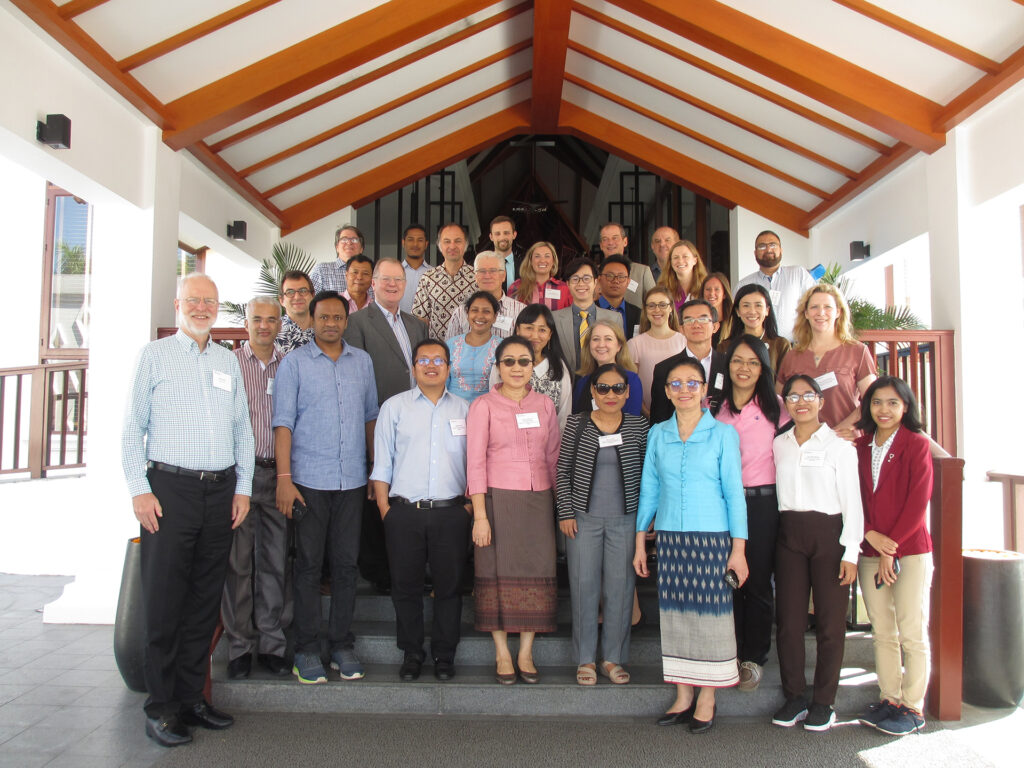
Workshop 1, November 19-21, 2019, Luang Prabang

The first regional workshop was held in Luang Prabang, Lao PDR, with participation from several other countries in the region where thiamine deficiency is a public health problem. Participating countries included, Lao PDR, Myanmar, Cambodia, Bhutan, Thailand, Vietnam and India (Assam and Kashmir). The aims of this workshop were: to bring experts and the most current knowledge about prevalence, assessment, and possibly interventions for thiamine deficiency; assess individual country situation and need; and to introduce the Technical Reference Materials (TRMs). Discussions focused on the inputs and activities needed to enable country officials to begin planning their TDD control program.

Workshop 2, March 9 and 11, 2021

The second meeting of the Global Thiamine Alliance was hosted virtually. The first day of the workshop was held as a public webinar, where recent developments in thiamine research were widely disseminated. On the second day of the workshop, which was limited to the participants of the first workshop, we discussed the progress and barriers that individual countries had on their proposed action plan and the future needs of the Global Thiamine Alliance.

Nutrition Modeling Consortium

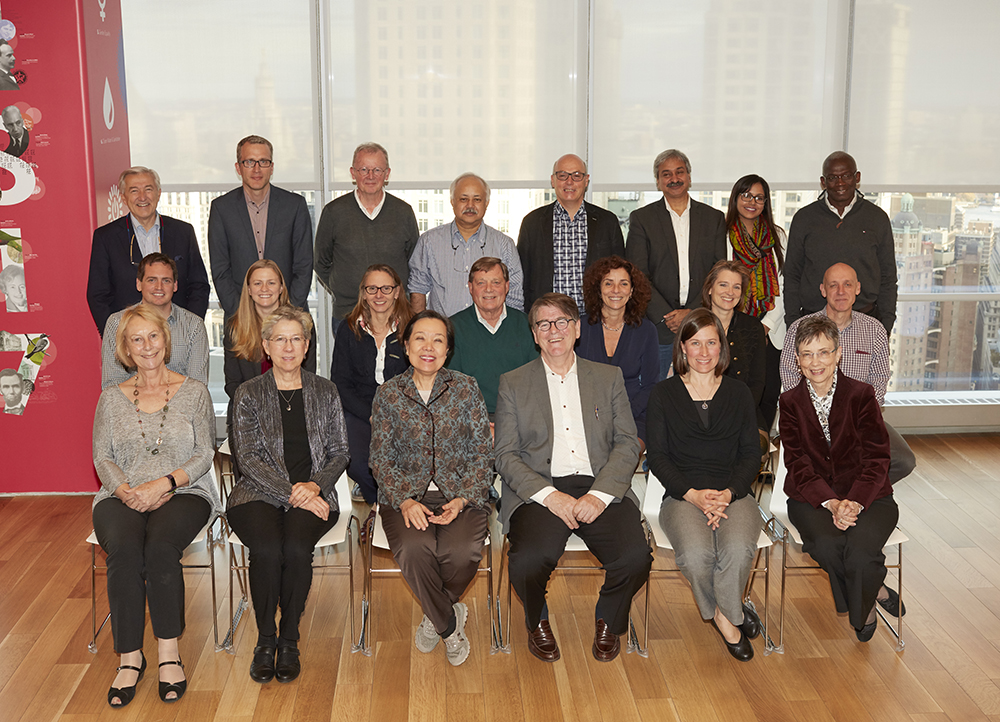
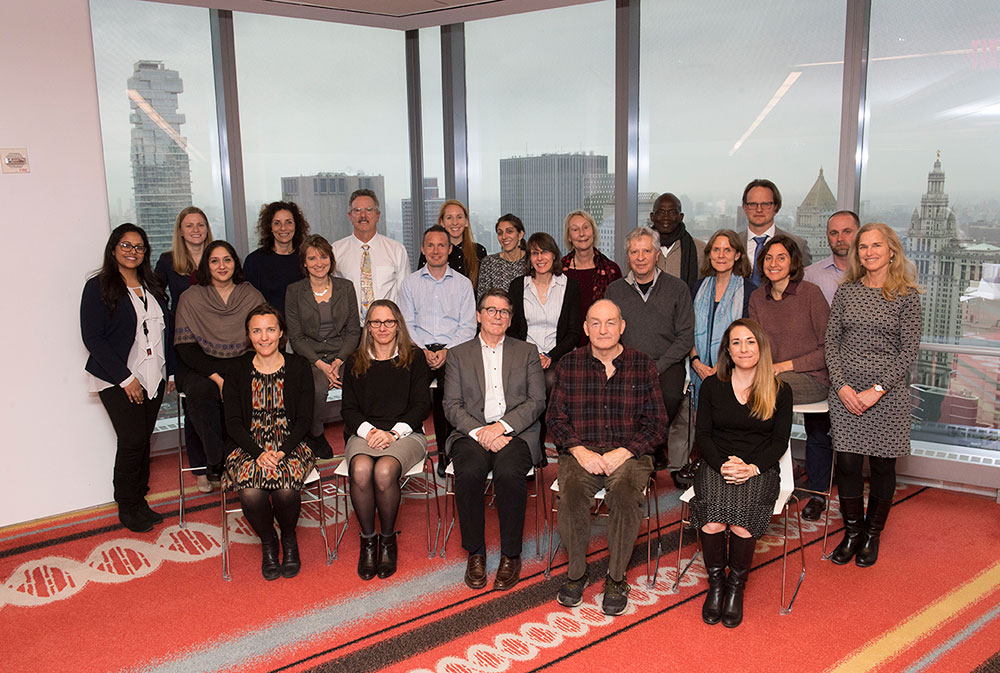
A group of roughly 20 people pose together, with the NYC skyline visible in the background.

Through a grant provided by the Bill & Melinda Gates Foundation, The New York Academy of Sciences created a consortium for nutrition modeling aimed at improving the usability of tools for nutrition policy making and at increasing their uptake by low middle income countries (LMIC). In April 2017, the Institute partnered with the Micronutrient Forum to convene a two-day technical consultation to review seven tools designed to help decision makers in LMICs develop and streamline their nutrition programs and interventions.

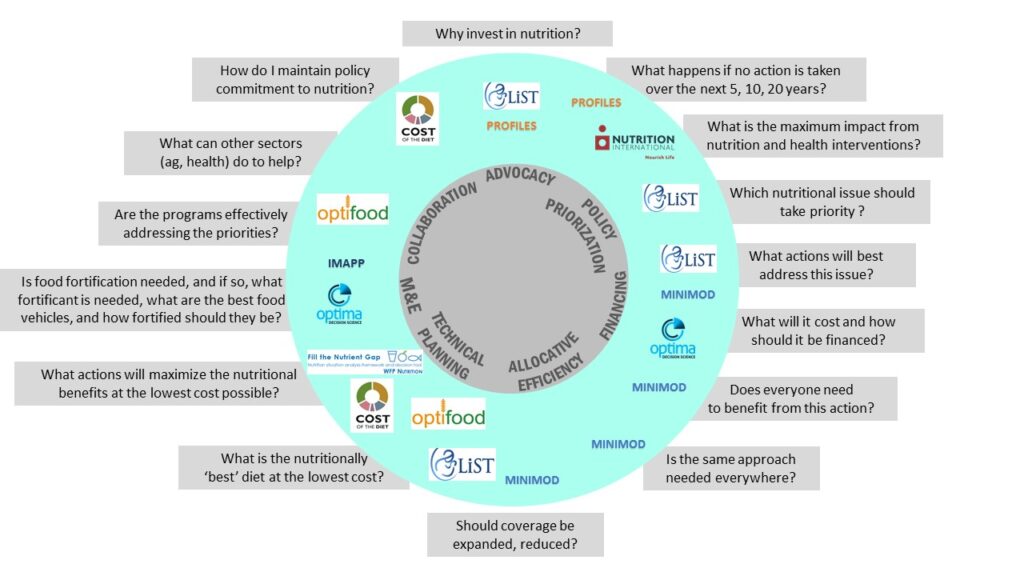
These tools were selected on the basis of their ability to elaborate nutrition policy scenarios adapted to national priorities and contexts, whether through the use of mathematical optimization routines or other evidence-based analytical approaches. Services provided by those tools range from advocacy to allocative efficiency to budget planning. The meeting highlighted the deep capabilities of those tools, and several examples were presented of successful use that confirmed their potential utility to nutrition policy making.

What is Nutrition Modeling?

Nutrition Modeling refers to computer assisted optimization routines that seek to select a best solution with regard to a nutrition objective among a set of available policy or program alternatives. Some tools on the Consortium follow mathematical optimization algorithms, some use spreadsheet formula, some use qualitative methods to drill down on nutrition data. Regardless of design, they all share the intent of improving the use of available knowledge and data in designing nutrition policies and programs.

The mandate of the Nutrition Modeling Consortium is to:

  • Increase end-users’ input in the specification of services to be provided by these tools.
  • Help end-users understand better how those tool can serve their nutrition programming needs.
  • Advance the joint utility and effectiveness of the modeling tools through a collective effort by nutrition modelers in order to enhance their technical inter-operability, and improve their usability to end-users.

How the Consortium Works

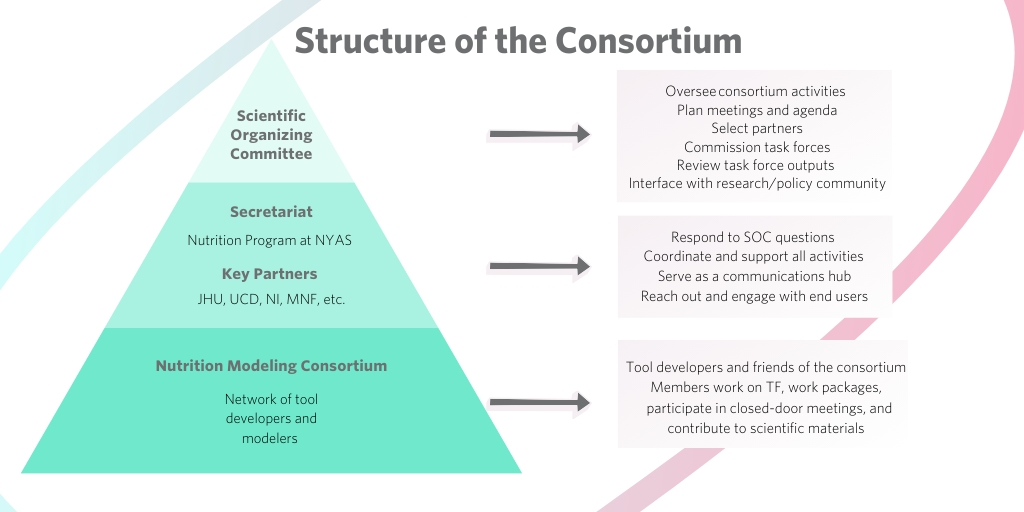
The Consortium of Nutrition Modelers aims to improve the use of the evidence base in policy and program decision making through the use of mathematical modeling of nutrition activities. It is led by a Scientific Organizing committee composed of nutrition modelers and end-users. The Secretariat has the responsibility of linking the SOC to the modeling community and to end-users, to coordinate the work of the Consortium and to organize and convene meetings of the Consortium.

Partner with Us: Fellowships

The logo for The New York Academy of Sciences.

Our Unique Approach to Fellowships

Our fellowships are designed to attract talented international, interdisciplinary scholars who combine expertise in science with an understanding of the social, cultural, economic and technological challenges that science must address.

We take a holistic approach to scientific training, with the goal of developing a new community of scientists who embrace the critical role they play, today and in the future, to solve the world’s most pressing problems.

Our fellowship experience is person-centric, guided by the individual rather than the institution. Our Fellows experience a thoughtfully curated educational journey where they are exposed to diverse perspectives across various disciplines under the mentorship of esteemed academics. In addition, we facilitate internships where our Fellows work directly with professionals in policy groups or in industry to gain valuable insights into the real-world potential applications for their research.

Our fellowships put an emphasis on science communication to ensure that scientists can effectively engage with society and build trust in science. To exercise these skills, Fellows give talks, write articles for publication on Academy channels and engaging in various other collaborative initiatives including participate on steering committees to plan our scientific conferences. In these ways, our Fellows provide an influx of exciting new research and ideas from around the world, augmenting the existing intellectual assets we are proud to have at the Academy.

Why Partner with Us?

We are a collaborative partner who seeks to provide high-quality, career-enhancing opportunities for early career scientists, creatively achieving alignment with our partner’s objectives. To this end, there are two ways we develop fellowships:

We can advance an existing program for you. If your organization has an established fellowship program that you would like to elevate, we can work with you to broaden its scope and expand your recruitment beyond the institutions where you currently seek talent.

We can work with you to develop a brand-new program. Give us your area of scientific interest and we can design a fellowship that meets our rigorous fellowship standards as well as align with your organizational objectives.

From the Academy Blog

Contact Us

To explore the development of a fellowship program with the Academy, contact development@nyas.org.

Partner with Us: Awards

The logo for The New York Academy of Sciences.

The New York Academy of Sciences is widely acclaimed for its history of excellence in administering prestigious Awards programs. We have consistently identified, celebrated, and supported outstanding emerging talent and foremost senior figures in the scientific community.  

Diverging from conventional science prizes, our primary emphasis lies in investing in the potential of a person’s future contributions to science. By furnishing early-career scientists with substantial support, we empower them to unleash their exponential growth potential and embark on the path to pioneering innovations. 

Our community of honorees go on to secure faculty positions at universities, lead their own research laboratories, and establish companies, some of which are publicly traded on the New York Stock Exchange and the NASDAQ. These awardees are a wellspring of inspiration and serve as mentors for the next generation of scientists. 

Philanthropic investments in the scientific community reverberate far beyond the confines of the laboratory. Partner organizations have the unique opportunity to collaborate with us to establish STEM prizes and awards programs that align seamlessly with shared objectives and missions. Partnering with us grants access to influential thought leaders and heightened visibility within a precisely targeted audience. 

Our Awards programs present an optimal solution for organizations aiming to elevate their philanthropic endeavors while staying in alignment with their organizational mission. Entrusting us with the selection process empowers us to recognize exceptional individuals and institutions engaged in remarkable work, regardless of their geographic location or affiliations. 

Our approach involves crafting carefully tailored programs that address unmet needs, thus ensuring that our prizes and awards deliver a genuinely impactful difference.

Contact Us

To explore the development of a new awards program, contact us at development@nyas.org.

Educator Resources

The logo for The New York Academy of Sciences.

Peruse and download these lessons, designed by the Academy Education team as additional resources for middle and high school teachers.

Innovation Challenge Curriculum

This flexible, project-based curriculum lets teachers guide students on how to solve challenges facing their communities by applying principles of scientific research and design thinking. Students emerge from this project-based learning curriculum having built STEM knowledge as well as 21st-century skills such as critical thinking, creativity, collaboration and communication.

The curriculum is available in two forms.

  1. Classroom Model is designed to be implemented over 8–10 weeks, with in-class lessons (approximately 1–2 hours per week) and assignments for students to complete outside of class.
  2. Workshop Model is designed as an intensive 1-2 day session, similar to a “hack-a-thon.”

Understanding the COVID-19 Vaccine: An Instructional Unit

Designed to be used with middle or high school students, this instructional unit looks at how scientific consensus interacts with public rhetoric about Covid-19 vaccines and equips students with the tools to combat misinformation. By the end of the unit, students will understand how vaccines work in triggering an immune response, understand the concept of herd immunity and apply critical thinking to analyzing sources of data and reporting around vaccination programs.

College Readiness Lesson Plans

The college admissions process can be arduous, confusing and stressful. We help teachers simplify it for their students with these lessons that teach how to develop study skills, find the right college and finance a post-secondary education.

Leadership Skills Lesson Plans

What does it mean to lead? What characteristics do great leaders possess? Our leadership skills lessons help teachers cover the essential skills needed to succeed in any career, including those in STEM fields.

Communication Skills Lesson Plans

Success in a STEM career is often dependent on the ability to share important but complex information in a way that people can understand. Our communication skills lesson plans give teachers exercises to use with students to help them communicate more effectively.

Creative Problem-Solving Lesson Plans

STEM professionals solve some of the most challenging problems in the world using the art of design thinking. These lesson plans provide ways for teachers to explain the basics about this innovative approach to problem-solving.

Contact Us

For questions about any of the above, contact us at education@nyas.org.