
Blog Archives
Equal Opportunity & Accessibility

Employment Opportunity
The New York Academy of Sciences is an Equal Opportunity Employer and is committed to compliance with all applicable federal, state, and local employment laws. We prohibit discrimination in all aspects of employment, including recruitment, hiring, promotion, compensation, benefits, training, and termination, on the basis of any legally protected characteristic. This includes, but is not limited to, actual or perceived race, color, creed, religion, national origin, sex, gender identity or expression, sexual orientation, age, disability, genetic information, marital status, veteran status, or any other characteristic protected by law.
The Academy is also committed to making good faith efforts to recruit applicants from a wide range of backgrounds, experiences, and perspectives, including those historically underrepresented in the sciences.
Reasonable Accommodations
The Academy is committed to providing reasonable accommodations to qualified individuals with disabilities and applicants with disabilities throughout the recruitment and employment process, in accordance with the Americans with Disabilities Act (ADA) and other applicable laws. If you need assistance or accommodations during the application or interview process, please contact Human Resources at hr@nyas.org.

The Leon Levy Scholarships in Neuroscience (LLSN)
Overview

Scholarship Details
Instructions
Symposium
Scholars

































Team
Academy Team

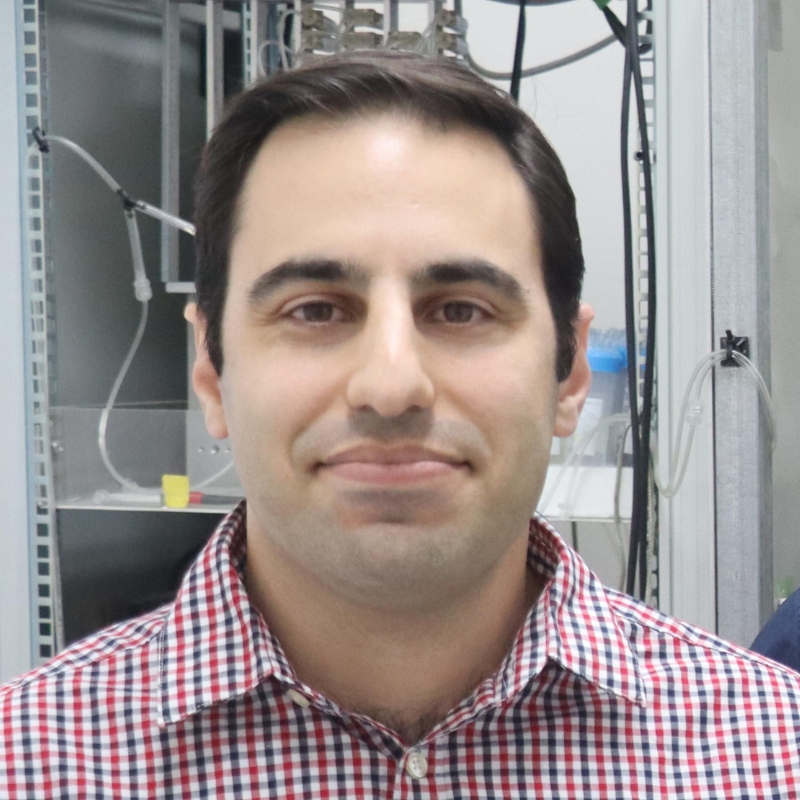
Sonya Dougal, PhD
Senior Vice President, Awards and Scientific Programs

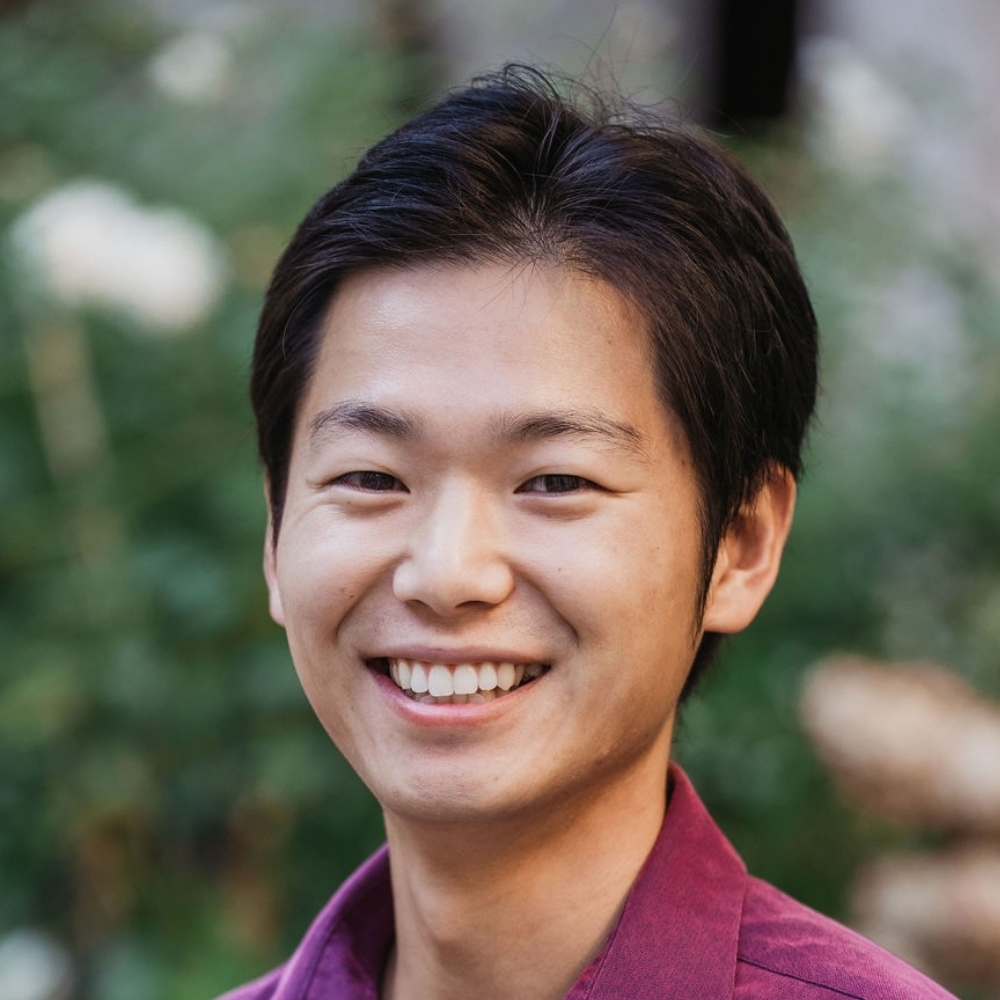
Barbara Knappmeyer, PhD
Associate Director, Fellowships

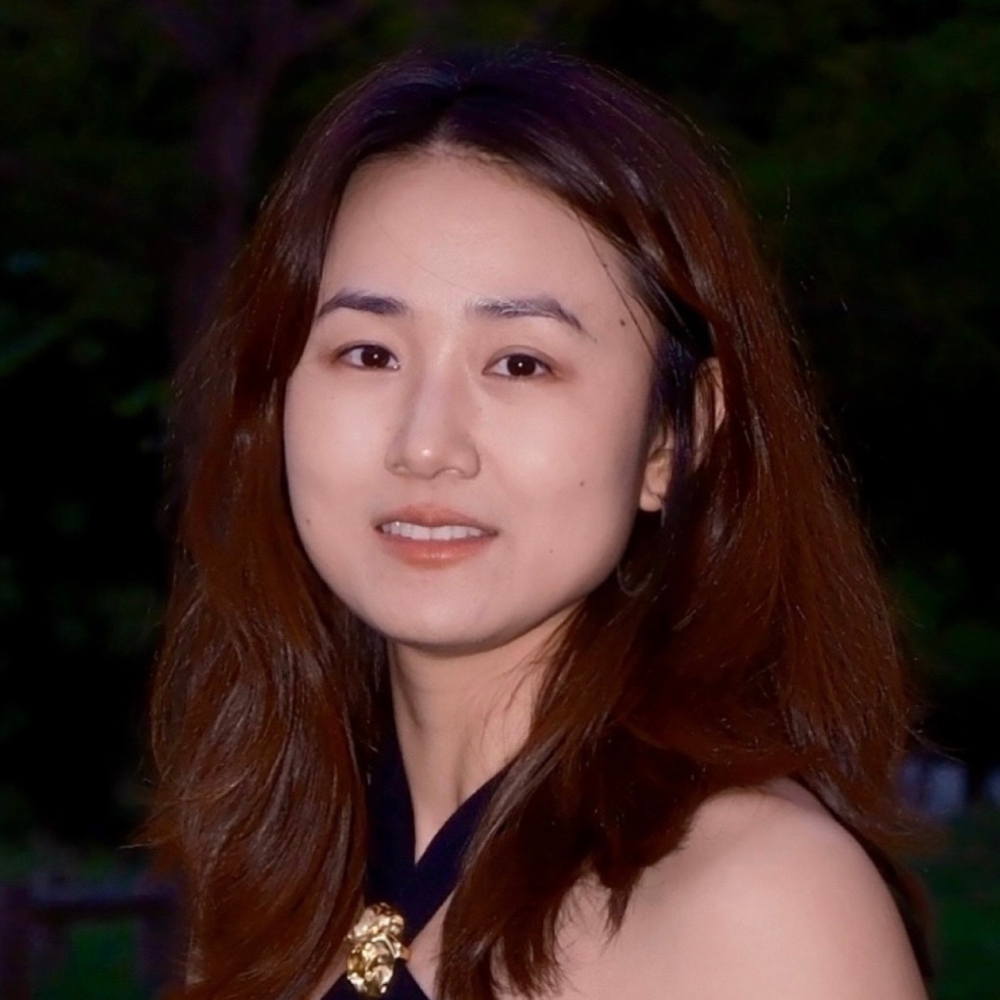
Emily Kim, PhD
Program Manager, Awards

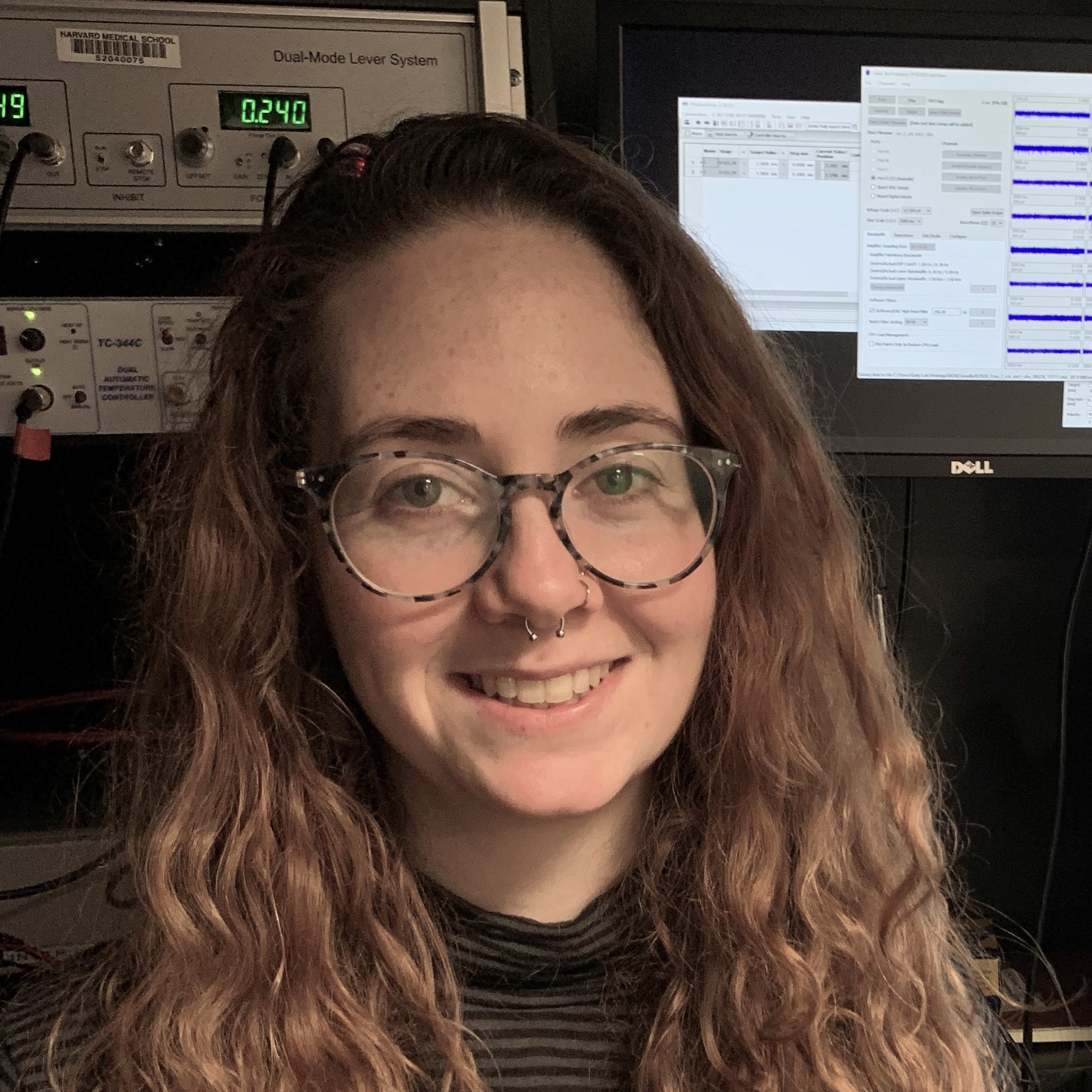
Zamara Choudhary, MA
Program Manager, Education
Scientific Advisory Board

Carlos Brody, PhD
Princeton University

Amita Sehgal, PhD
University of Pennsylvania

Jordan Smoller, MD, ScD
Harvard Medical School,
Massachusetts General Hospital
Contact Us
If you have any questions, contact leonlevy@nyas.org.
How to Make Your Junior Academy Application Shine

Each year we seek out passionate STEM-interested students from around the world to join our signature high school research program. Here are four smart tips that will give your application an edge.
Published April 19, 2024
By Kaitlin Green
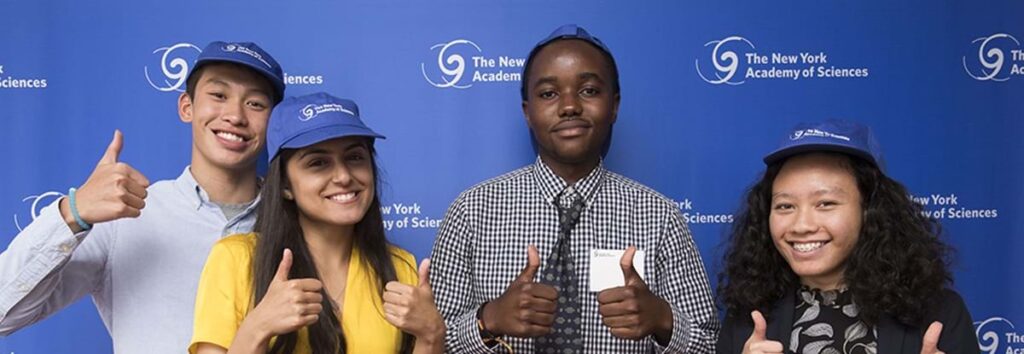
Through the Junior Academy of The New York Academy of Sciences, high school students ages 13-17 develop research, innovation, and collaboration skills. They leverage these skills to compete in Innovation Challenges sponsored by industry-leading companies, where they work under the guidance of a STEM professional. In order to participate, students must have access to a computer, phone or tablet, an internet connection, and a global mindset, as Junior Academy teams are composed of a cohort of students from different countries all over the world.
It’s a very unqiue STEM learning experience, and every year, we seek out passionate high school students interested in STEM to join. If you’re a student who wants to apply, keep these tips in mind for how to make your application shine.
Tip #1: Be thoughtful about your answers to the essay questions.
The Junior Academy is looking for what makes you unique. Is there something that makes you stand out in school or extracurricular activities?
When writing your responses, be clear and concise. You only have 500 words to complete each question; but if you can get your point across in fewer words, don’t feel like you have to use all the space. Proofread your answers carefully. Ask a friend or family member to read your answers before you submit the application—they may spot an error you missed.
Tip #2: Talk about the personal challenges you’ve overcome.
When you’re part of the Junior Academy, you’ll be using creative problem-solving skills. That means overcoming obstacles in your path. We’ve all faced obstacles in our lives, so tell us about a tricky situation you faced and how you handled it. For example, did you ever have a report, a test, and a project all due in the same week? If so, how did you complete them all to the best of your ability? Or, have you ever made the team after previously having been rejected? How did you regroup and succeed the second time around? Stories of perseverance and resilience are what we want to hear.
Tip #3: Show us you’re a team player.
When you work on an innovation challenge, you will collaborate on a team of two to six people. Share a time that you’ve worked with a team towards a common goal. Did you have a particular skill that you brought to the table? Let us know what it is.
Tip #4: Explain how you’ll be able to meet the time commitment.
You’ll need work with your team three to four hours a week on your challenge solution. How will you balance this with your academics, other extracurricular activities, and personal life?
Code of Conduct
Last Updated: December 2021
This Code of Conduct (this “Code”) applies to your participation in our Launchpad programs.
Digital citizenship is a critical component of the Programs. Our Services are continuously monitored to promote internet safety and security.
By participating in a Program as a mentor or student, you agree to the following code of conduct:
- Core Values. Mentors and students will aspire to the Launchpad’score values of hard-work, integrity, respect and responsibility.
- Copyright. Mentors and students will not take credit for other people’s creative work.
- Cyberbullying. Online cruelty or harassment will not be tolerated. Cyberbullying and cyberharassment will result in the termination of the offender’s participation in the Programs and may be a violation of law.
- Confidentiality. Mentors and students will not share details about their communications with third parties without the other’s prior express consent and, if the student is a minor, without the prior express consent of the student’s parent or legal guardian.
- Communication. Mentors and students will not use offensive language or transmit offensive images to other students or mentors.
- Mentor-student Meetings. In-person mentor/student meetings are prohibited, unless they occur at Academy/GSA sponsored group events.
- Mentor-Student Personal Relationships. Mentors and students are strictly prohibited from establishing and engaging any form of personal relationships other than a relationship that is appropriate and strictly within the mentor-student context, either at or outside Academy/GSA sponsored group events.
Reporting Your Concerns
We strongly encourage mentors and students to report violations of this Code via the concern form. Download documents below:
Guidelines for Online Communication
- Think twice before posting. Posts on social media can take on a life of their own. Consider what could happen if a post becomes widely known and how that may reflect on you. Search engines can identify posts years after they are created, and comments can be forwarded or copied. If you wouldn’t say it at an event or to a member of the media, consider whether you should post it online. Even in closed groups, other Program participants may use or reuse your information or posts in ways you can’t anticipate, so please keep this in mind before posting.
- Be respectful. Understand that content contributed to social media sites may encourage comments or discussion of opposing ideas. Responses should be considered carefully before posting.
Strive for accuracy. Always try to get the facts straight before posting on social media. - Identify your views as your own. While you may be affiliated with a Launchpad Program, such as the Junior Academy, or other organizations in some way, you should refrain from speaking on social media on behalf of any person or organization except yourself or making statements that could be perceived as speaking on behalf of others.
- Protect your identity. We strongly recommend that you avoid publishing the kind of personal information, such as your home address, telephone numbers, email address, or credit card or social security numbers, that could be used by identity thieves or to harass or defraud you. You may not post any personal information on the Launchpad website about anyone who is under 13 years old, and if you are under 13 years old you may not use the LaunchPad website.
This Code of Conduct is a part of, and incorporated by reference in, our Terms of Use. Capitalized terms used but not defined in this Code have the meanings assigned to them in our Terms of Use.
Academy in the News
Academy Coverage in External Media
Academy events, publications and staff experts featured in external media.
JUNE 3, 2026
Cathedrals of Doubt
They Said So
Read More >
MAY 14, 2026
AI in Healthcare: Symposium Highlights
Inside Precision Medicine
Read More >
APR. 10, 2026
This new interactive map shows which NYC blocks are most vulnerable to flooding
The Fast Company
Read More >
MAR. 6, 2026
More Women Are Dating AI Boyfriends. What That Says About Modern Dating
Forbes
Read More >
FEB. 28, 2026
Starmer must use our scientific stars to drive the economy
The Independent
Read More >
FEB. 25, 2026
The Password That Lets Caterpillars Hide in an Ant’s Lair
The New York Times
Read More >
JAN. 22, 2026
Students Learn about Internships and Jobs at Women in STEM Networking Event
Borough of Manhattan Community College News
Read More >
DEC. 22, 2025
Jazz improvisation reveals the brain’s creative switches
earth.com
Read More >
NOV. 14, 2025
Why Do Dogs Let Out That Long, Disappointed Sigh?
Discover Magazine
Read More >
OCT. 1, 2025
Science Needs a New Social Compact
Project Syndicate
Read More >
SEP. 1, 2025
Leopards may have feasted on our earliest ancestors
Popular Science
Read More >
AUG. 31, 2025
11 Best After-School STEM Programs for Middle School Students
Lumiere Education
Read More >
AUG. 28, 2025
Cognizant CEO Ravi Kumar S. Named to the 2025 TIME 100 AI List
Cognizant – News Announcements
Read More >
AUG. 21, 2025
Probing the Pain: Katie Burns is helping uncover the role of the immune system in endometriosis
Science
Read More >
JUL. 7, 2025
People Are Using AI Chatbots to Guide Their Psychedelic Trips
WIRED
Read More >
JUN. 23, 2025
Academy Trustee, R. May Lee, Named Olin College of Engineering President
Olin College of Engineering
Read More >
APR. 24, 2025
Pfizer CEO Albert Bourla sees ‘a scientific renaissance’ in the U.S. amid backdrop of political threats to the future of research
Fortune
Read More >
APR. 06, 2025
This S.F. college is rolling out the nation’s first undergrad degree in psychedelics
San Francisco Chronicle
Read More >
MAR. 04, 2025
Britain’s brightest young scientists named at Blavatnik Awards gala, each winning £100,000 (US$126,000) prize
EurekAlert
Read More >
FEB. 08, 2025
Scientists warn Trump’s $4bn funding cuts will harm US medical research
Financial Times
Read More >
FEB. 03, 2025
India’s Chandrika Tandon Bags An Award At Grammy 2025
Forbes
Read More >
Combating COVID-19
Overview
From March 25th to May 6th, 2020, over 2000 young innovators from 74 different countries came together to join the fight against COVID-19. In response to the coronavirus outbreak and global shutdown, the New York Academy of Sciences invited creative problem-solvers from around the world to participate in the challenge for a chance to receive a $500 travel scholarship to attend the Global STEM Alliance Summit. The winning solution, GOvid-19, is a virtual assistant and chatbot that provides users with accurate pandemic-related information. Learn more about the winning solution and the solvers who designed them.
The World Health Organization (WHO) declared the outbreak of the coronavirus disease 2019 (COVID-19) a pandemic in March 2020. As scientists and public health experts rush to find solutions to contain the spread, existing and emerging technologies are proving to be valuable. In fact, governments and health care facilities have increasingly turned to technology to help manage the outbreak. The rapid spread of COVID-19 has sparked alarm worldwide. Many countries are grappling with the rise in confirmed cases. It is urgent and crucial for us to discover ways to use technology to contain the outbreak and manage future public health emergencies.
Challenge
Consider the obstacles faced by governments, healthcare providers and/or patients and design a technology-based solution that can be deployed in response to combat COVID-19. The solution can be an improvement of an already existing technology or a new application. Solutions should consider the following:
- Modes and rates of disease transmission
- Known preventative and protective measures against COVID-19
- Lack of vaccine, medication, and treatment for COVID-19
- The public health system, local healthcare infrastructure, access to technology and other relevant contexts
Winners
The winning solution, GOvid-19, is a virtual assistant and chatbot that provides users with accurate pandemic-related information about government responses, emergency resources, statistics on COVID-19 while utilizing grassroots feedback, streamlining medical supply chains with blockchain and AI techniques address potential accessibility issues among the most vulnerable groups.
Tracking Coronavirus
Overview
From May 8th to June 19th, 2020, over 250 innovators from 21 different countries worked together to develop syndromic surveillance systems that help us better understand the current pandemic and prevent future outbreaks. The New York Academy of Sciences invited solvers from around the world to participate in the challenge for a chance to win a $5,000 USD grand prize. The winning solution, SYNSYS: Tracking COVID-19 created by Esha Datanwala, is a syndromic surveillance system that uses online data to predict outbreaks. Learn more about the winning solution and the solver who designed it.
In the last two decades three new Corinaviruses have jumped from animals to humans – called the spillover effect– causing serious illness and fatalities. Scientists and researchers in various sectors are racing to develop treatments and a vaccine while also investigating fundamental questions about the virus such as the seasonality, full range of symptoms, true fatality rate, viral latency, dose response curve of the viral load, long-term immunity, mutation rate etc.
The lack of Syndromic Surveillance for Coronavirus has grossly exposed the global and local preparedness for pandemics making us vulnerable as well as putting extreme stress on our government, healthcare facilities, medical supply demands and economies.
Challenge
Using available data from the COVID-19 pandemic and/or past outbreaks of SARS and MERS (see below for some suggestions), design an innovative syndromic surveillance system that addresses the need for improved surveillance networks to better understand the threat of future waves of COVID-19 and/or future Coronavirus outbreaks.
Winners
SYNSYS is a syndromic surveillance system designed for the public & private healthcare sectors. This system uses public domain mined data from Google Trends, various social media sites, census data, and satellite data to predict outbreaks, both before they happen and while they’re happening.
Team Member: Esha Datanwala
Convergence: A Journal for Young Researchers
Submit Your Research to Convergence
Convergence: A Journal for Young Researchers by Indigo Research and The New York Academy of Sciences is dedicated to publishing high-quality, peer-reviewed academic work from young people (pre-university), exploring a wide range of subjects with a focus on work that explores the convergence of disciplines related to current and future existential risks including climate change, human rights and structural inequities.
The journal will cover the following types of submissions:
- Original research from traditional and non-traditional academic methods
- Commentary, Opinion and policy review
- Reviews of research, popular culture and/or other relevant media
- Original visual artwork including cartoons, memes,
- Literary writing, poetry, personal essays and other styles that draw from literary traditions including fiction and narrative non-fiction
- We are seeking qualified Academic Reviewers from a wide range of backgrounds to review manuscripts submitted to the journal. Reviewers should be academically active in the fields of Engineering, Medicine, Computer Science, Law, Politics and Policy, Advocacy, Humanities, Philosophy, Ethics and/or the Sciences. Reviewers should be comfortable reviewing work from younger writers (pre-college) and from writers who submit in a specific academic area and/or from a convergent research perspective.
Features of the Convergence Journal:
- Academic Rigor: Convergence adheres to the highest academic standards, ensuring that all published work undergoes a rigorous double-blind peer-review process.
- Interdisciplinary Focus: The journal encourages submissions that explore the intersection of STEM and humanities, fostering a deeper understanding of complex global challenges.
- Intellectual Growth: Publishing in Convergence provides valuable experience in academic writing, research methodology, and critical thinking, equipping students with essential skills for future academic pursuits.
We invite you to explore the submission guidelines and learn more about how to get your work published in Convergence.
Contact Us
Please visit the Convergence website for more details.
Questions? Please contact convergencejournal@indigoresearch.org.