Ten Early-Career Neuroscientists Selected as 2026 Leon Levy Scholars Across New York City
New York, NY | April 16, 2026 — The New York Academy of Sciences and the Leon Levy Foundation have announced the 2026 cohort of Leon Levy Scholars in Neuroscience, building on a program that has nurtured more than 190 early-career neuroscience scholars since 2009.
Supporting cutting-edge neuroscience across New York City’s research ecosystem, this distinguished scholarship recognizes up to ten postdoctoral scientists annually, chosen from a highly competitive, citywide applicant pool, to pursue bold ideas in neuroscience over three years as they move toward independent investigator roles.
Nicholas B. Dirks, the Academy’s President and CEO, said, “At a time when federal funding is increasingly uncertain and competitive, investing in early-career scientists is more important than ever, especially in New York City, a global hub for neuroscience research. We are incredibly grateful to the Leon Levy Foundation, whose scholarships in neuroscience provide essential support to postdoctoral researchers, enabling discoveries that deepen our understanding of the brain and move us closer to effective treatments for a wide range of neurological disorders.”
The Scholars program includes both scientific and professional career development opportunities, such as invitations to present at scientific scholar meetings, structured mentorship by distinguished senior scientists, and professionally-led workshops on grant writing, leadership development, communications, and management skills. The program facilitates networking among cohorts and alumni, data sharing, cross-institutional collaboration, and the annual Leon Levy Scholars symposium held in the spring. The Leon Levy Scholars in Neuroscience is part of a series of prominent awards and scholarship programs that the Academy and its partners present each year to accomplished early-career and established scientists worldwide. These initiatives, along with education and professional development programs for students and young scientists, reflect the Academy’s broader commitment to strengthening and diversifying the pipeline for skilled and talented scientists globally.
The 2026 Leon Levy Scholars
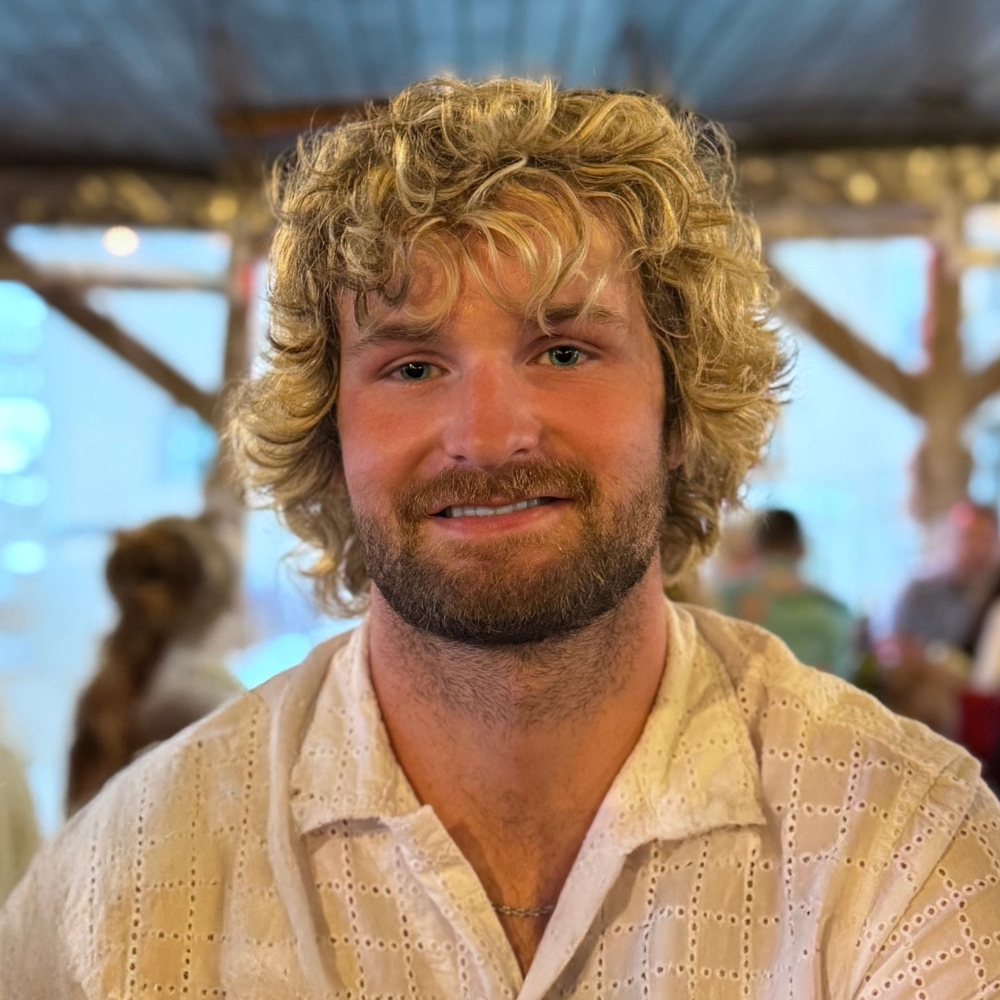
Joey Charbonneau, PhD, New York University, Center for Neural Science
Recognized for: Investigating the causal mechanisms of expectation bias in the primate (monkey) frontal cortex and its role in motivated behaviors.
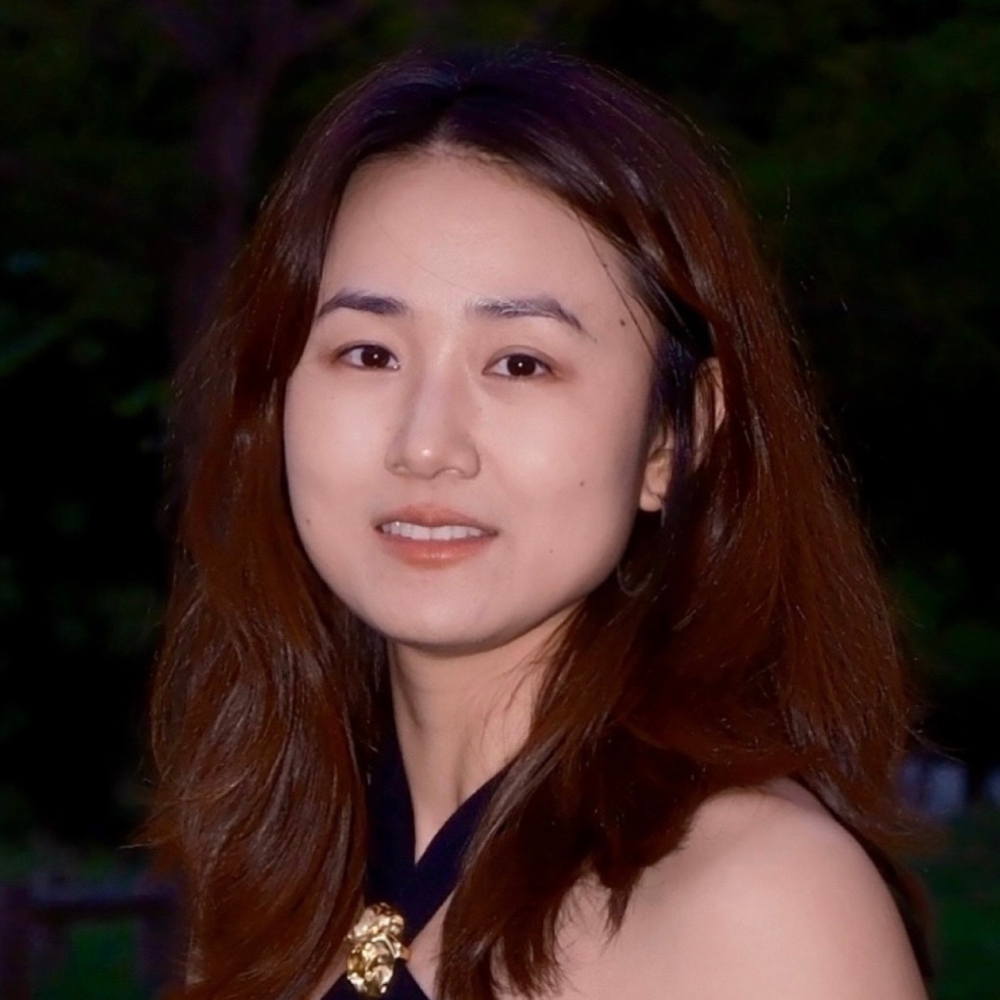
Zhangying (Jennie) Chen, PhD, Icahn School of Medicine at Mount Sinai
Recognized for: Studying the role of the gene NOTCH3 in immune-vascular aging and neurodegeneration using CADASIL, the most common genetic early-onset form of small vessel disease, as a model.
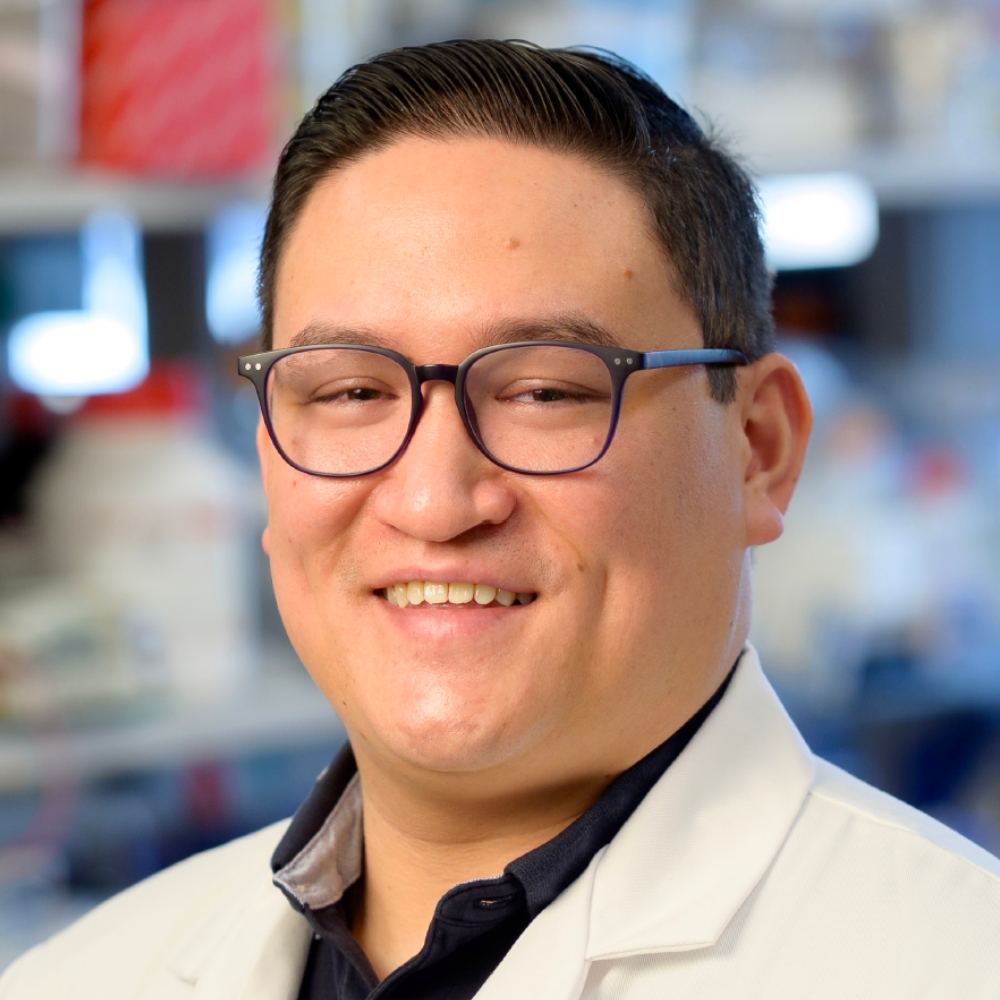
Emmet Huang-Hobbs, PhD, Memorial Sloan Kettering Cancer Center
Recognized for: Investigating how prostate tumors co-opt neuronal signaling pathways during the transition from adenocarcinoma to the deadly neuroendocrine subtype.
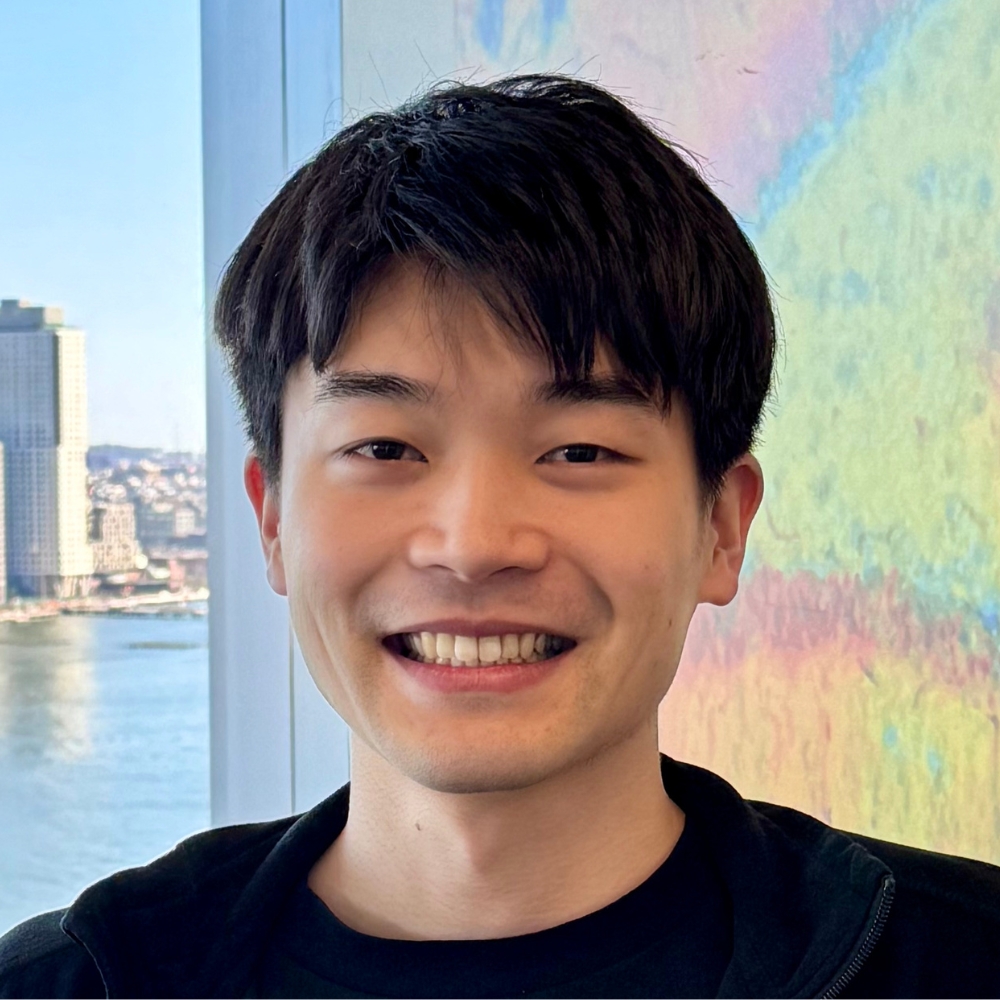
Takayoshi Kuwabara, PhD, NYU Grossman School of Medicine, Institute of Translational Neuroscience
Recognized for: Investigating the neural circuit mechanisms of aggression and fear.
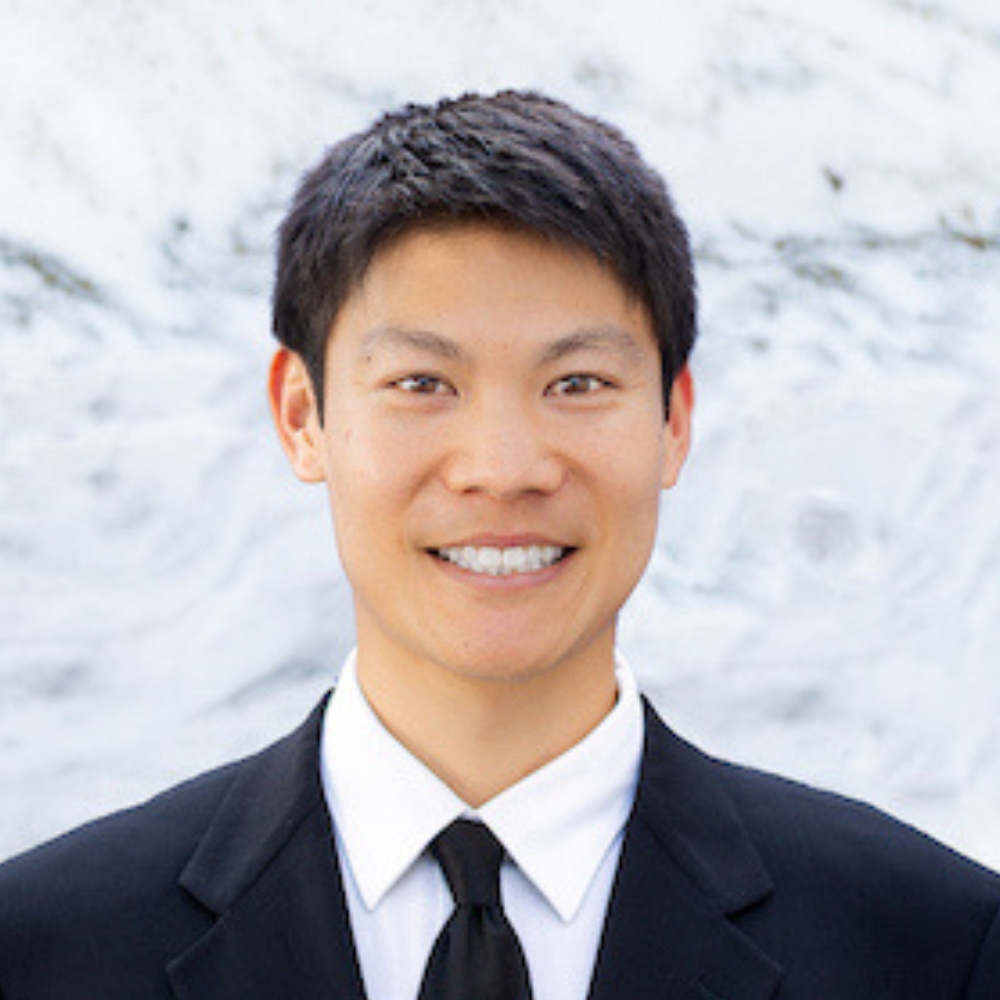
Nathan Nakatsuka, MD/PhD, NYU Grossman School of Medicine
Recognized for: Using single-cell genomics to understand how cell types and brain regions change in the escalation of oxycodone intake.
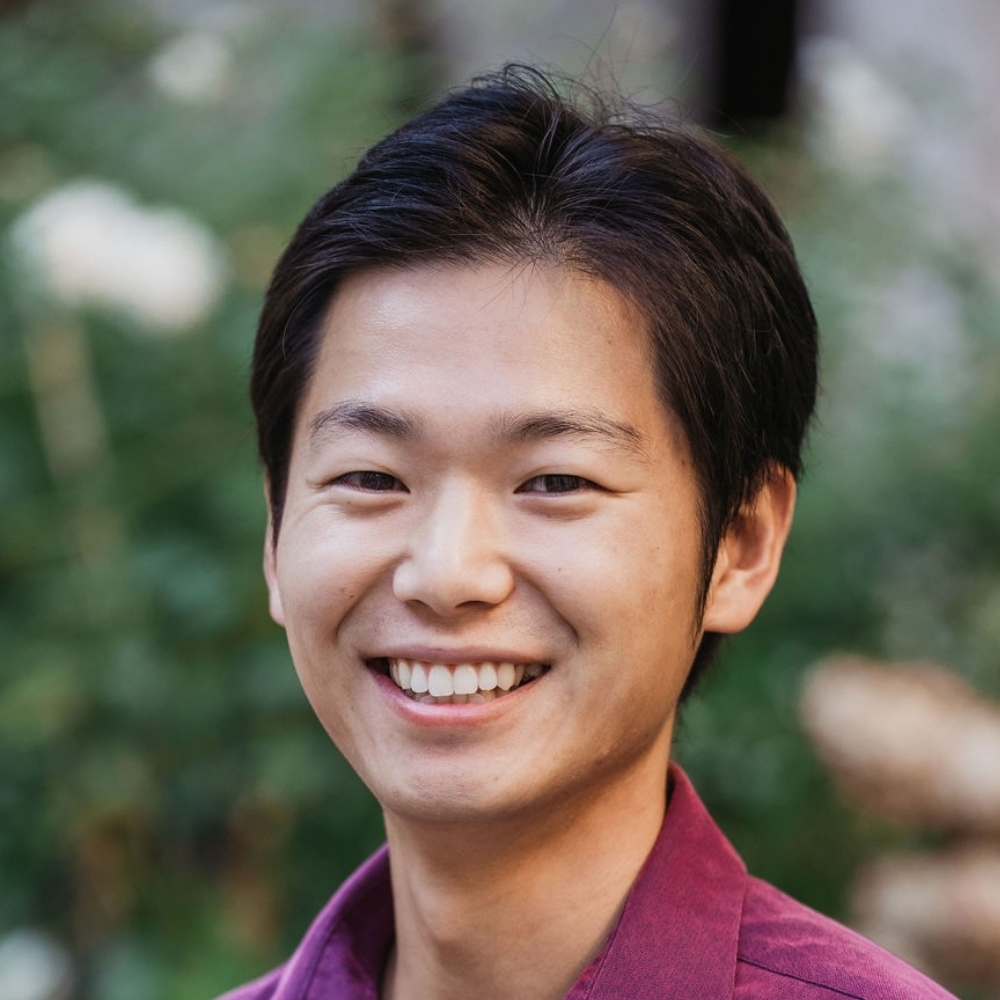
Hamilton Oh, PhD, Icahn School of Medicine at Mount Sinai
Recognized for: Investigating how circulating proteins influence the brain’s response to chronic stress.
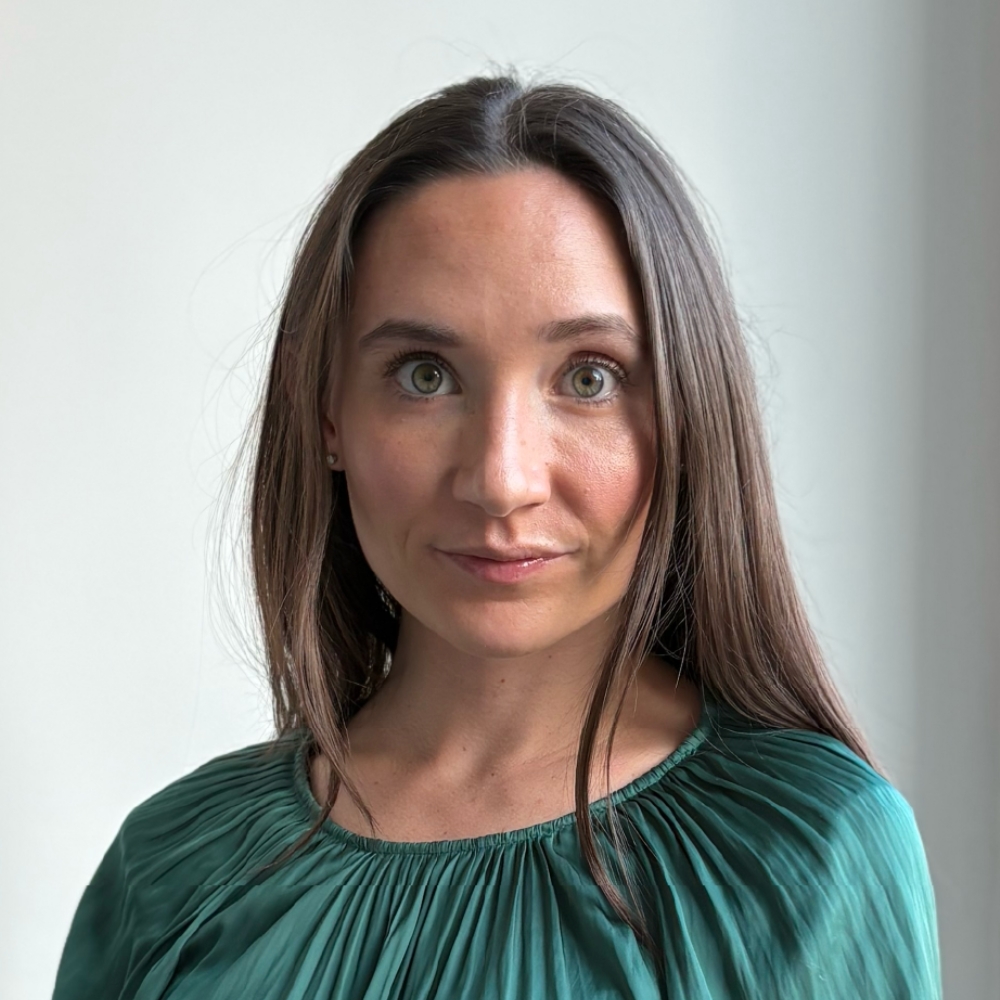
Margaret Schroeder, PhD, The Rockefeller University
Recognized for: Interrogating the molecular underpinnings of local astrocyte-neuron plasticity in health and disease.

Rimjhim Tomar, PhD, Icahn School of Medicine at Mount Sinai
Recognized for: Developing computational models to understand how chemical messengers guide learning in recurrent networks in the cerebral cortex.

Mackenna Wollet, PhD, NYU Grossman School of Medicine
Recognized for: Investigating the role of rapid synaptic plasticity mechanisms in auditory cortex perception (hearing sounds) and learning.
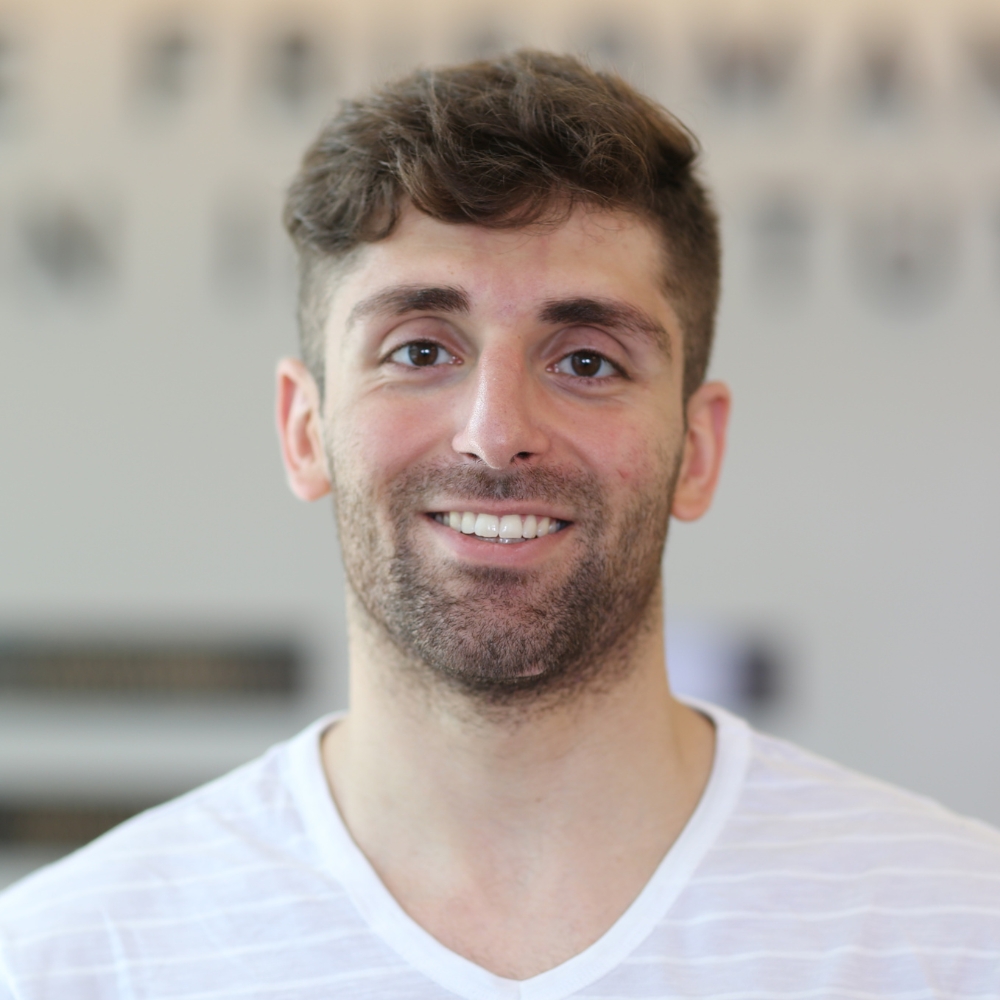
Yosif (Joe) Zaki, PhD, New York University, Center for Neural Science
Recognized for: Mapping the spatiotemporal structure of sleep across the mouse brain, and testing whether and how this structure is modified by experience and neuronal activity while awake.
About the Leon Levy Foundation
The Leon Levy Foundation advances the humanist values of understanding, appreciation, and preservation through grantmaking guided by the deep and diverse interests of Leon Levy and Shelby White. The Foundation supports work, primarily in New York City, that enhances cultural life, expands knowledge, and encourages exceptional achievement across a broad range of fields.
To learn more, visit: www.leonlevyfoundation.org
About The New York Academy of Sciences
The New York Academy of Sciences is an independent, not-for-profit organization that since 1817 has been committed to advancing science for the benefit of society. With more than 15,000 members in 100 countries, the Academy advances scientific and technical knowledge, addresses global challenges with science-based solutions, and sponsors a wide variety of educational initiatives at all levels for STEM and STEM-related fields. The Academy hosts programs and publishes content in the life and physical sciences, the social sciences, artificial intelligence, computer science, and sustainability. The Academy also provides professional and educational resources for researchers across all phases of their careers. Please visit us online at nyas.org.